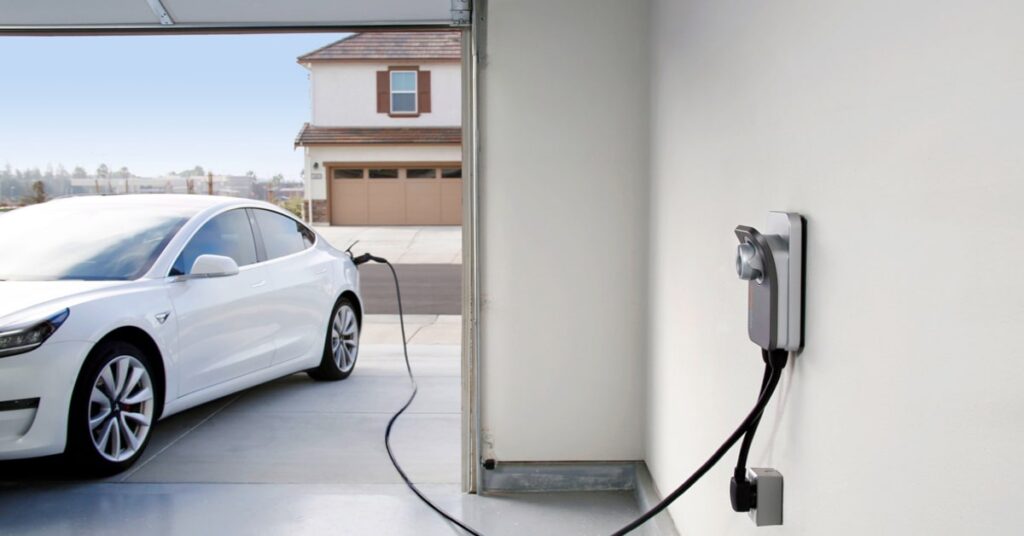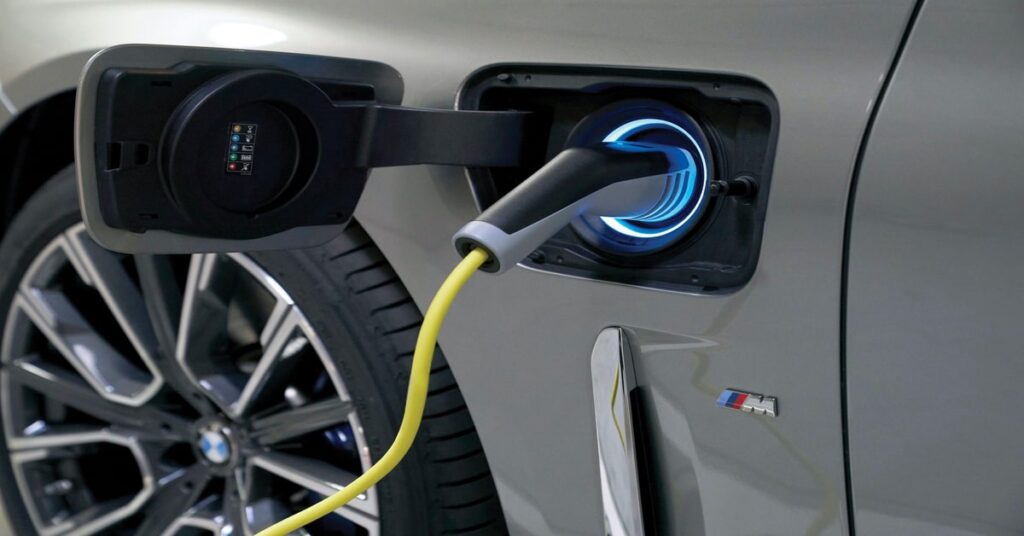
Planning to invest in an electric vehicle charging station in Jordan? A professional EV charging station feasibility study helps you evaluate project costs, site suitability, electrical requirements, expected revenue, licensing, and return on investment before committing your capital.
At AL Emtyaz Facilities Management, we combine technical planning with practical experience in EV charger installation services in Jordan to help investors develop commercially viable electric vehicle charging projects in Amman and across the Kingdom.
Our experience covers the different stages of EV charging station development, including site assessment, electrical infrastructure planning, charger selection, regulatory coordination, equipment supply, installation, commissioning, and technical support.
Rather than providing generic financial estimates, we help you understand the actual requirements of your proposed charging station. Our feasibility assessment considers installation costs, available electrical capacity, vehicle traffic, potential charging demand, operating expenses, and realistic revenue scenarios.
Whether you are considering a public EV charging station, commercial charging facility, petrol station charging point, or private charging infrastructure project, our team can help you evaluate the technical and financial factors influencing your investment.
Request a free initial consultation about your EV charging station project in Jordan. Call 0798495491 to discuss your proposed location and feasibility study requirements.
You can also contact AL Emtyaz directly through WhatsApp using the button below.
Professional EV Charging Station Feasibility Study Services in Jordan
At AL Emtyaz, we prepare practical feasibility assessments for investors planning to establish electric vehicle charging stations in Jordan.
Our approach goes beyond estimating the price of charging equipment. We assess the proposed site, available electrical infrastructure, charging capacity, financial requirements, regulatory procedures, and expected operational performance.
We begin with an initial consultation followed by a site evaluation to understand the property’s location, electrical supply, parking layout, vehicle accessibility, and potential charging demand.
Based on these findings, we develop an EV charging station business feasibility assessment covering the following areas:
- Site suitability assessment: Evaluate the location, parking capacity, vehicle access, surrounding activities, and potential charging demand.
- Charger selection: Recommend suitable AC or DC chargers, charging capacities, connector configurations, and equipment quantities.
- Electrical infrastructure requirements: Assess available power, distribution panels, cable routes, protection equipment, and potential network upgrades.
- Capital investment estimation: Calculate projected equipment, installation, electrical connection, and associated development costs.
- Operating cost analysis: Evaluate electricity expenses, maintenance, communications, software, and other ongoing operating costs.
- Revenue and ROI projections: Estimate potential charging revenue, operating margins, investment payback periods, and financial sensitivity under different utilization scenarios.
- Licensing and approvals: Identify applicable regulatory requirements and coordination with the relevant authorities and electricity distribution company.
- Implementation planning: Develop an appropriate sequence for equipment procurement, installation, testing, commissioning, and operational handover.
Our objective is to help investors make informed decisions based on the technical and commercial characteristics of their specific location, rather than relying on general assumptions about the EV charging market.
Why Invest in an EV Charging Station in Jordan?
Electric vehicles are an established part of Jordan’s transportation market, creating opportunities for businesses and property owners interested in charging infrastructure.
Public charging stations, commercial charging facilities, and destination charging services can support electric vehicle drivers in locations where reliable charging access is needed.
However, an EV charging station investment in Jordan must be evaluated carefully. Demand can vary significantly according to location, surrounding competition, charging speeds, electricity costs, and customer behavior.
Key Opportunities in the Jordanian EV Charging Market
- Growing interest in electric mobility: Electric vehicles create demand for accessible and reliable charging infrastructure.
- Commercial property opportunities: Shopping centers, hotels, restaurants, and mixed-use developments may benefit from providing charging services to visitors.
- Petrol station diversification: Existing fuel stations may evaluate EV charging as an additional service for motorists.
- Destination charging: Facilities where vehicles remain parked for extended periods may be suitable for AC charging infrastructure.
- High-traffic locations: Selected commercial routes and busy areas may present opportunities for faster charging services.
- Long-term infrastructure development: Charging facilities can be planned with future capacity expansion in mind.
These opportunities do not guarantee commercial success. A thorough EV charging station market and feasibility analysis is essential to understand whether the proposed project can attract sufficient demand and achieve its financial objectives.
What Does Our EV Charging Station Feasibility Study Include?
A reliable feasibility study examines the complete investment, from the suitability of the site to the expected operating performance of the charging station.
AL Emtyaz provides a structured approach that connects engineering requirements with the project’s business model and expected operating costs.
1. Free Initial Site Assessment and Location Analysis
The first stage involves evaluating the proposed location and identifying the factors that may affect construction, equipment selection, accessibility, and commercial demand.
- Inspect the proposed charging station location and available space.
- Evaluate the number, arrangement, and accessibility of parking spaces.
- Review vehicle circulation and the practical layout of charging bays.
- Examine the existing electrical connection and available infrastructure.
- Consider nearby commercial activities, potential users, and competing charging facilities.
- Identify opportunities for future charger expansion.
A strategically located charging station can benefit from better accessibility and customer visibility. Nevertheless, site performance must be assessed through realistic demand assumptions rather than traffic volume alone.
2. Selecting AC and DC EV Chargers
Choosing the correct charging equipment is one of the most important decisions when preparing an EV charging station feasibility study in Jordan.
The appropriate charger type depends on vehicle dwell time, available power, customer requirements, and the project’s financial objectives.
- AC EV chargers: Often suitable for hotels, offices, residential developments, workplaces, and parking facilities where vehicles remain parked for longer periods.
- DC fast chargers: Designed for locations requiring faster charging sessions, such as public charging stations, commercial corridors, and selected petrol stations.
- Charging capacity: Evaluate options such as 22 kW AC charging and DC equipment with capacities that may extend to 360 kW, depending on equipment availability, site electrical capacity, and project requirements.
- Number of charging points: Estimate the appropriate number of chargers based on projected demand, parking capacity, and expected utilization.
- Connector compatibility: Review relevant connector standards, including CCS1, CCS2, GB/T, CHAdeMO, and other applicable vehicle charging interfaces.
Not every charging station requires high-power DC equipment. Installing more expensive chargers than the location can support may increase capital costs without producing a corresponding increase in revenue.
Our team evaluates the technical and financial implications of each option before recommending the most suitable charging configuration.
3. Electrical Load Assessment and Infrastructure Planning
Electrical capacity is a critical consideration for EV charging station projects. Even a promising commercial location may require significant upgrades before it can operate high-power chargers.
Our engineering assessment examines:
- Available electrical supply and maximum demand.
- Estimated charging loads and potential simultaneous operation.
- Distribution boards, protection devices, and electrical cable requirements.
- Potential requirements for increased connection capacity or transformer upgrades.
- Load management options and staged infrastructure expansion.
- Coordination with the relevant electricity distribution company.
By evaluating the electrical infrastructure before purchasing equipment, investors can identify technical restrictions and incorporate necessary upgrades into the project budget.
4. EV Charging Station Setup Cost Estimation
The total cost of setting up an EV charging station in Jordan varies according to charger type, equipment capacity, site condition, installation complexity, electrical connection requirements, and regulatory obligations.
Our feasibility study prepares a location-specific estimate rather than relying on a fixed price that may not reflect the actual project requirements.
- EV charger procurement and delivery.
- Electrical distribution equipment, cables, and protective systems.
- Civil works, charger foundations, and parking bay preparation.
- Electrical connection upgrades where required.
- Applicable permits, licensing, and professional engineering requirements.
- Charging software, communications, and payment system setup where applicable.
- Installation, testing, commissioning, and staff training.
- Contingency allowances for potential unexpected project costs.
These estimates help investors understand the required initial capital expenditure (CAPEX) before proceeding with procurement and construction.
5. EV Charging Station Licensing and Approvals
Establishing an electric vehicle charging station in Jordan involves complying with applicable regulatory requirements and obtaining the necessary permissions for the intended activity.
The Energy and Minerals Regulatory Commission (EMRC) regulates public and private EV charging station activities in Jordan. The relevant permit and licensing requirements depend on the proposed station’s classification and operations.
As part of the feasibility process, AL Emtyaz helps investors identify the applicable procedures and technical documentation requirements.
- Determine whether the proposed charging station will operate as a public or private facility.
- Identify the relevant EMRC permit and licensing procedures.
- Prepare or coordinate the required electrical drawings and technical documentation.
- Review applicable requirements from the Greater Amman Municipality or other relevant local authorities.
- Coordinate electrical supply requirements with the appropriate distribution company.
- Support follow-up procedures and technical clarifications during the approval process.
Licensing requirements, electricity tariffs, and regulatory procedures may change. Investors should confirm the current applicable conditions with the relevant authorities before finalizing their project budget and implementation schedule.
6. Equipment Supply and EV Charging Station Installation Planning
Once the technical and financial feasibility has been assessed, the next stage involves selecting the appropriate equipment and preparing the installation plan.
AL Emtyaz offers EV charging equipment solutions that include BENY and Sigma chargers, subject to available models and the technical requirements of each project.
Our installation planning includes charger placement, electrical cabling, distribution equipment, foundations, protection systems, and coordination of the required technical works.
Equipment selection also considers connector standards, management software, service accessibility, maintenance requirements, and the potential need for future expansion.
7. Commissioning, Testing, and Staff Training
After installation, the charging station must be tested and commissioned according to the equipment specifications and applicable technical requirements.
AL Emtyaz supports project commissioning and operational preparation through activities such as:
- Checking installed charging equipment and electrical connections.
- Conducting appropriate operational and functional tests.
- Reviewing charging functionality and available monitoring features.
- Providing practical guidance on routine charger operation.
- Explaining basic maintenance procedures and technical support arrangements.
This structured approach helps investors move from feasibility planning toward a properly commissioned EV charging facility.
EV Charging Station Cost in Jordan: Capital and Operating Expenses
Understanding the full cost structure is essential for developing a realistic EV charging station business plan in Jordan.
Charging station costs are generally divided into initial development expenses and recurring operating expenses.
Capital Expenditure (CAPEX)
Capital expenditure represents the investment required to establish the charging station and make it ready for operation.
This may include chargers, electrical infrastructure, connection upgrades, civil works, site preparation, relevant permits, software setup, and commissioning expenses.
A high-power DC charging facility can require substantially more electrical infrastructure than a smaller AC charging installation. Therefore, charger prices alone cannot provide a reliable estimate of the total investment.
Operating Expenditure (OPEX)
Operating expenditure includes the recurring expenses associated with running and maintaining the charging facility.
- Electricity consumption: Energy purchased to operate the charging equipment, including applicable losses and tariff conditions.
- Equipment maintenance: Routine inspection, preventive maintenance, and necessary repairs.
- Software and communications: Network connectivity, charging management services, and applicable platform subscriptions.
- Payment processing: Transaction fees or other applicable payment collection expenses.
- Site operating expenses: Rent, staffing, cleaning, security, and other costs where applicable.
- Administrative expenses: Relevant renewals, insurance, and other ongoing business obligations.
A complete financial assessment considers both CAPEX and OPEX to estimate the project’s overall commercial performance.
EV Charging Station Revenue, Profitability, and Return on Investment
One of the most important questions investors ask is: How profitable is an EV charging station in Jordan?
The answer depends on several variables, including charging demand, utilization rates, electricity costs, customer pricing, operating expenses, and the initial investment.
At AL Emtyaz, we prepare project-specific financial scenarios to help investors evaluate possible revenue and profitability rather than assuming that every charging station will generate the same return.
How We Estimate EV Charging Station Revenue
Revenue forecasting begins with estimating how much electricity customers are likely to purchase through the charging station.
- Expected number of charging sessions per day.
- Average energy delivered during each charging session.
- Expected daily and monthly charger utilization.
- Applicable charging prices and permitted service fees.
- Potential differences between weekdays, weekends, and seasonal demand.
- Competition and customer charging behavior in the surrounding area.
For a simplified energy-based charging model, estimated annual charging revenue can be calculated as follows:
Annual Charging Revenue = Average Daily Energy Sold (kWh) × Average Applicable Selling Price per kWh × Operating Days per Year.
The model must reflect the applicable charging tariff structure, permitted fees, and other relevant regulatory conditions in Jordan.
Estimating Operating Profit
Revenue alone does not indicate whether a charging station is profitable. Electricity purchasing costs, maintenance, software, rent, and other expenses must also be considered.
Estimated Operating Profit = Operating Revenue − Operating Expenses.
Our assessment examines the expected operating margin under realistic assumptions, including energy consumption, utilization, service costs, and maintenance requirements.
Calculating the EV Charging Station Payback Period
The investment payback period indicates how long it may take for the project’s net operating cash flows to recover the initial investment.
For a simplified project with stable annual net operating cash flow, the calculation is:
Simple Payback Period = Initial Investment ÷ Annual Net Operating Cash Flow.
This is only a simplified indicator. A more detailed feasibility study should also consider cash flow changes, equipment replacement, financing costs, taxes, and other relevant investment assumptions.
Scenario-Based Financial Analysis
To provide a more balanced investment assessment, we examine different charging demand scenarios:
- Conservative scenario: Lower customer traffic and limited initial charger utilization.
- Base scenario: Expected charging demand based on the site’s characteristics and reasonable operating assumptions.
- Optimistic scenario: Higher charging utilization where supported by stronger demand assumptions.
Comparing these scenarios helps investors understand how changes in charging demand, operating expenses, and electricity pricing could affect the project’s return on investment (ROI).
Choosing the Right EV Charging Station Business Model
Not every EV charging facility follows the same commercial model. The most suitable approach depends on the property’s use, customer behavior, available investment, and regulatory classification.
Public EV Charging Station Business
A public charging station provides charging access to eligible EV drivers under the applicable operating and licensing conditions.
Its financial performance depends heavily on site accessibility, charging demand, applicable customer charges, equipment reliability, and operating costs.
EV Charging at Petrol Stations
Petrol stations may consider adding EV charging infrastructure to serve electric vehicle drivers and diversify their available services.
The feasibility assessment examines available electrical capacity, parking space, vehicle circulation, charger speed, and regulatory and safety requirements.
Commercial and Destination EV Charging
Hotels, shopping centers, restaurants, office developments, and other commercial facilities may install chargers for visitors or employees.
Depending on the location, charging infrastructure may support direct charging revenue, customer convenience, or broader commercial objectives.
Private and Fleet Charging Infrastructure
Businesses operating electric vehicles may require charging infrastructure for company vehicles or managed fleets.
In these cases, the feasibility study may focus on operating cost efficiency, vehicle schedules, electrical load management, and infrastructure requirements rather than public charging revenue.
Common Challenges in EV Charging Station Projects in Jordan
Our experience with EV charging infrastructure helps us identify practical challenges that investors should consider before starting construction.
- Insufficient electrical capacity: Some locations cannot support the intended charger load without electrical modifications or a capacity increase. We assess available power and possible alternatives, including load management or coordination for connection upgrades.
- Licensing and approval requirements: Incomplete technical documentation or unsuitable site conditions can delay a project. We help investors prepare the necessary information and understand the relevant procedures.
- Uncertain financial returns: Charging demand may be lower than initially expected. Our feasibility approach evaluates different utilization scenarios and the effect on potential investment payback.
- Incorrect charger selection: Chargers that do not match customer needs or vehicle connector requirements can limit practical usability. We assess suitable charging capacities and connector configurations before procurement.
- Unexpected infrastructure costs: Cable routes, transformer requirements, civil works, and electrical connection modifications may significantly affect the project budget.
- Maintenance and operational reliability: Equipment availability, replacement parts, software support, and maintenance arrangements should be considered before selecting a charging solution.
- Future expansion: A project designed only for immediate demand may require expensive modifications if additional chargers are needed later.
A professional EV charging infrastructure feasibility study helps identify these risks early and evaluate practical solutions before major investment commitments are made.
What Makes an EV Charging Station Investment Successful?
A successful charging station is more than a charger installed in a parking space. It is an integrated investment that combines the right location, suitable equipment, electrical readiness, regulatory compliance, operational planning, and a realistic business model.
At AL Emtyaz, we emphasize several factors when evaluating potential EV charging investments.
- Location: The charging station should serve a relevant customer base and provide practical vehicle access.
- Appropriate charging speed: Charger capacity should match expected vehicle dwell time and electrical infrastructure.
- Realistic utilization: Financial projections should reflect achievable charging demand rather than maximum theoretical equipment capacity.
- Reliable equipment: Charger selection should consider technical specifications, compatibility, warranty arrangements, and available support.
- Cost control: Investors should evaluate total installation and operating costs before committing to procurement.
- Regulatory readiness: Applicable permits, licenses, and electricity supply conditions must be addressed.
- Maintenance planning: Clear technical support and maintenance arrangements help limit operational interruptions.
These factors are central to our approach when preparing an EV charging station business plan and feasibility assessment for investors in Jordan.
Why Choose AL Emtyaz for an EV Charging Station Feasibility Study?
AL Emtyaz Facilities Management supports investors and property owners with EV charging station planning, equipment selection, technical assessment, installation, and operational preparation.
Our approach combines engineering considerations with the commercial realities of establishing charging infrastructure in Jordan.
- Practical project experience: Experience across EV charging infrastructure planning, site assessment, and implementation activities.
- Site-specific feasibility assessments: Evaluate each investment according to its location, electrical conditions, and expected demand.
- Engineering and commercial planning: Connect equipment requirements and electrical infrastructure costs with financial projections.
- AC and DC charger solutions: Assess suitable charging technologies based on the intended application.
- Regulatory coordination: Assistance with identifying applicable licensing procedures and technical documentation.
- Equipment supply and installation support: Access to charger options and technical project execution services.
- Commissioning and training: Practical preparation for operating the charging facility.
- Technical support: Assistance with relevant maintenance and operational requirements after installation.
We work with business owners, petrol station operators, commercial developers, property investors, and organizations seeking to establish or expand electric vehicle charging infrastructure.
Frequently Asked Questions About EV Charging Station Feasibility Studies
How much does it cost to start an EV charging station in Jordan?
The startup cost depends on the number and type of chargers, charging power, electrical connection capacity, civil works, equipment selection, and applicable permits. A site-specific feasibility study is needed to estimate the total investment accurately.
Is an EV charging station profitable in Jordan?
An EV charging station can generate revenue, but profitability is not guaranteed. Results depend on charging demand, applicable tariffs, operating costs, equipment reliability, and initial investment. Financial projections should evaluate realistic utilization and expense assumptions.
What is the expected ROI for an EV charging station?
Return on investment varies significantly between projects. Our feasibility assessment estimates potential ROI and investment payback based on the proposed location, equipment, projected energy sales, operating costs, and different demand scenarios.
Do I need a license to operate an EV charging station in Jordan?
EV charging station activities in Jordan are regulated by the Energy and Minerals Regulatory Commission. Applicable permits and licenses depend on the station’s classification and intended operations. Investors should confirm current requirements before establishing or operating the facility.
Should I install AC or DC chargers for my business?
AC chargers are often suitable for locations where vehicles remain parked for extended periods. DC fast chargers may be more appropriate where drivers require shorter charging sessions. The decision depends on customer needs, available electrical capacity, project costs, and expected utilization.
How do I choose the best location for an EV charging station?
Important factors include vehicle accessibility, nearby charging demand, parking availability, electrical supply, surrounding competition, and potential commercial activity. A site assessment helps determine whether the location is technically and financially suitable.
What does an EV charging station feasibility study include?
A feasibility study typically includes site evaluation, charger selection, electrical load assessment, installation costs, operating expenses, potential revenue, ROI projections, licensing considerations, and implementation planning.
Can an existing petrol station add EV charging facilities?
Yes, an existing petrol station may evaluate EV charging infrastructure as an additional service, subject to location suitability, electrical capacity, applicable safety requirements, and regulatory approvals.
Does AL Emtyaz provide feasibility studies in Amman and other areas of Jordan?
Yes. AL Emtyaz assists investors planning electric vehicle charging projects in Amman and other locations across Jordan. Contact our team to discuss your proposed site and arrange the appropriate consultation.
Start Your EV Charging Station Project in Jordan with AL Emtyaz
Investing in electric vehicle charging infrastructure requires careful planning, realistic financial expectations, and a clear understanding of the technical and regulatory requirements.
A professional EV charging station feasibility study in Jordan helps you assess your proposed location, estimate total project costs, select appropriate charging equipment, and evaluate potential revenue before making major investment decisions.
At AL Emtyaz Facilities Management, we help investors move from initial project assessment toward practical implementation through engineering evaluation, equipment planning, licensing coordination, installation services, and technical support.
Whether you are a business owner, petrol station operator, real estate investor, or commercial property developer, our team can help you evaluate the opportunities and challenges associated with your proposed charging facility.
Contact AL Emtyaz today to request a consultation or discuss preparing a feasibility study for your electric vehicle charging station project in Amman or anywhere in Jordan.
Call now: 0798495491
You can also send us your project details directly through WhatsApp using the button below.