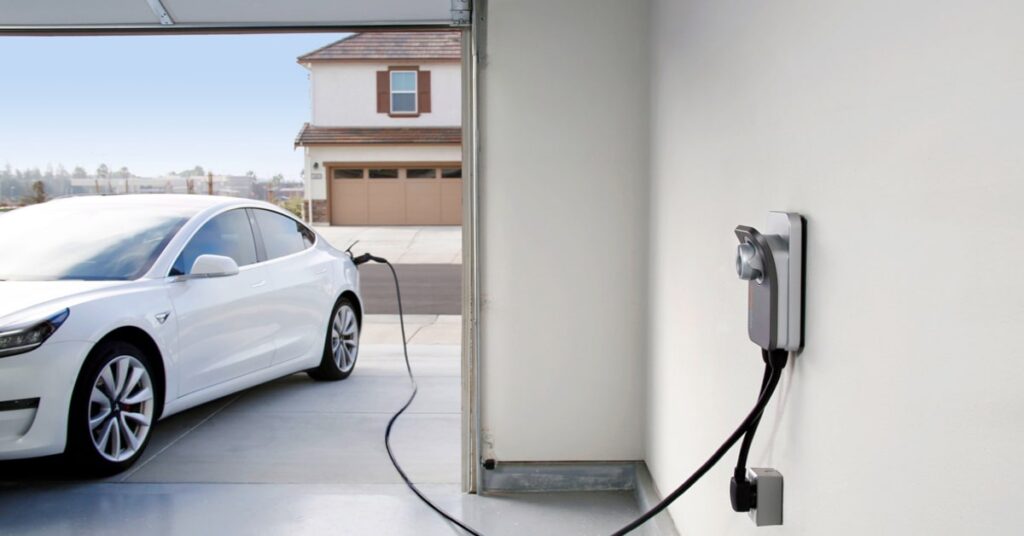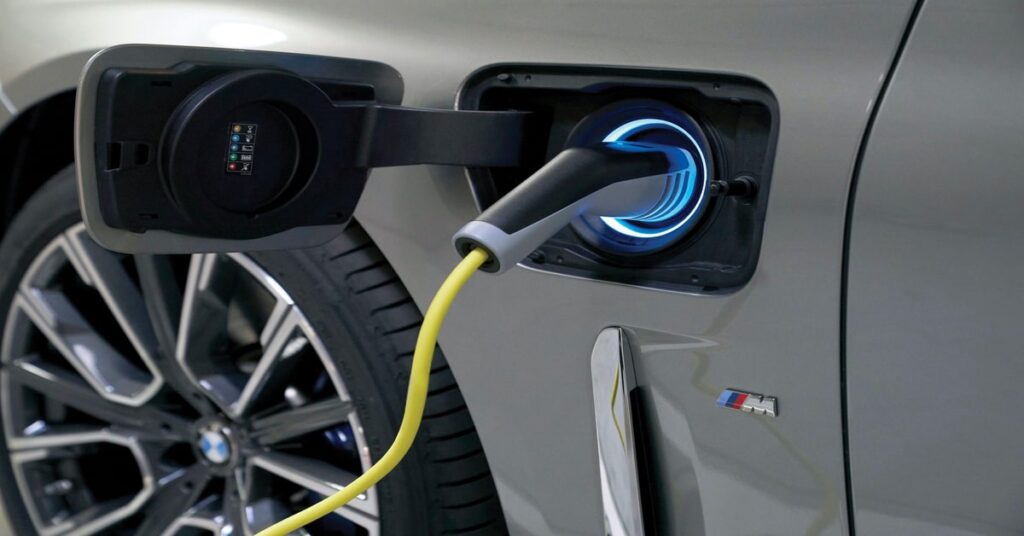

Installing a dedicated home EV charger in Jordan makes daily electric vehicle charging more convenient, especially when you have a private garage, residential parking space, or a designated parking area at your workplace. Instead of depending entirely on public charging stations, you can charge your vehicle at a location that suits your daily routine.
At AL Emtyaz, we provide professional home EV charger installation services in Amman and across Jordan. Our services include installing newly purchased electric car chargers, setting up chargers already owned by customers, preparing electrical connections, and inspecting the installation site before work begins.
As part of our comprehensive EV charger sales and installation services in Jordan, we help electric vehicle owners select suitable charging equipment, assess the available electrical supply, and arrange installation according to the vehicle’s charging requirements and the property’s electrical infrastructure.
Whether you need a Level 2 EV charger installation, a dedicated charging point for your garage, or professional installation of an electric car charger you already own, our team can help you plan the work and understand the required electrical preparations.
We also supply Sigma Level 2 EV chargers rated at 32A, offering adjustable charging current and convenient features for suitable electric vehicles. Before recommending a charger, we review the vehicle’s charging connector, electrical requirements, and available power supply.
Request home electric car charger installation in Jordan. Call AL Emtyaz at 0798495491 to discuss your vehicle, parking location, charger specifications, and installation requirements. You can request installation only or ask about supplying a compatible charger with installation.
You can also contact our team directly through WhatsApp:
Professional Home EV Charger Installation Company in Jordan
Electric vehicles are becoming an increasingly practical transportation choice for drivers in Jordan. However, owning an electric car also means planning how and where the vehicle will be charged regularly.
A dedicated home electric vehicle charging station allows you to charge your car while it is parked at home. For many drivers, this means charging overnight or during other periods when the vehicle is not being used.
Installing an EV charger requires more than mounting a charging unit on a wall. The available electrical capacity, charging current, cable size, circuit protection, earthing system, and charger compatibility must all be assessed before installation.
At AL Emtyaz Facilities Management, we provide residential EV charging installation solutions for customers requiring a reliable charging point that is suited to their property and electric vehicle.
Home EV Charger Installation for Private Garages
We install suitable electric vehicle charging equipment in private garages, residential parking spaces, villas, and designated home parking areas.
The charger location is selected after considering the electrical supply, distance to the vehicle, cable routing, accessibility, and environmental exposure.
Installing an EV Charger You Already Own
If you already have an electric car charger, you can request EV charger installation only without purchasing another charging unit.
Our team can review the existing charger specifications, vehicle compatibility, installation instructions, and electrical conditions before proceeding.
EV Charger Supply and Installation
For customers who have not yet purchased a charger, we can help select suitable equipment and arrange the required installation.
This includes checking the charging connector, rated current, available power, and the electrical infrastructure needed to operate the selected charger.
EV Charging Point Installation for Offices and Parking Areas
Our services also cover suitable private charging points for offices, company parking areas, and other properties requiring dedicated electric vehicle charging facilities.
Installation requirements may differ between residential and commercial properties, particularly where multiple vehicles or charging units are involved.
Sigma Level 2 EV Charger 32A for Home Charging in Jordan
The Sigma Level 2 EV Charger 32A is one of the home charging products offered by AL Emtyaz in Jordan. It is designed to provide adjustable AC charging current and practical features for compatible electric vehicles.
Compared with low-power portable charging methods, a properly installed 32A AC charging unit can offer higher charging power when the vehicle and electrical supply support it.
The actual charging rate depends on the selected current, supply voltage, vehicle’s onboard charger, battery condition, and other operating limitations.
Sigma 32A Electric Car Charger Features
The Sigma charger described in our product offering includes several practical features intended for daily electric vehicle charging.
- Level 2 AC Charging: Rated for charging current up to 32 amperes, subject to the specific model and electrical supply.
- Adjustable Charging Current: Selectable current settings of 10A, 16A, 20A, 24A, and 32A.
- Five-Meter Charging Cable: Designed to provide convenient access between the charging equipment and a suitably positioned vehicle.
- Copper Conductors: The supplied model description specifies a cable with 6 mm² conductors.
- Digital Display: A colour screen presents charging information and operating details.
- Delayed Charging: A scheduling feature allows charging to begin after a selected delay.
- Environmental Protection: The housing is described as suitable for exposure to certain outdoor conditions, subject to its verified protection rating and installation instructions.
These features should be confirmed against the exact charger model and its technical documentation before purchasing or installing the unit.
Sigma EV Charger Electrical Safety Features
Electrical protection is an important consideration when choosing a home charging unit. According to the supplied Sigma charger description, the charging equipment incorporates monitoring and protective functions.
Listed protective features include:
- Overvoltage and undervoltage monitoring.
- Protection against certain electrical fault conditions.
- Overtemperature monitoring and protective responses.
- Current monitoring and charging control.
- Fault detection and warning indications.
- Charging status monitoring and communication with the vehicle.
The precise functions and protection ratings depend on the charger model. Built-in protection does not replace the need for correctly specified circuit breakers, residual-current protection, suitable wiring, and proper earthing.
Sigma EV Charger Compatibility with Electric Vehicles
Electric car owners in Jordan use vehicles from different markets and manufacturers, including BYD, Geely, Tesla, BMW, Renault, Ford, and other brands.
However, EV charger compatibility depends on the charging connector and the vehicle’s electrical specifications, not simply on the vehicle’s brand.
Electric vehicles imported from different markets may use Type 1, Type 2, GB/T, NACS, or other charging interfaces, depending on their model and market specifications.
Before supplying a Sigma charger, we recommend confirming the vehicle’s charging inlet, supported AC charging capacity, and whether a suitable compatible connector or approved adapter is required.
Sigma 32A EV Charger Price in Jordan
The Sigma Level 2 32A electric vehicle charger has been advertised at a price of JOD 140 in our product offering.
The offered charger has also been described with a one-year warranty and delivery arrangements. Customers should confirm the current price, stock availability, applicable warranty terms, delivery coverage, and whether installation is included before placing an order.
To inquire about the Sigma EV charger, call 0798495491. Our team can explain the specifications and help determine whether the charger is suitable for your electric vehicle and home electrical supply.
Types of Electric Vehicle Chargers for Homes and Businesses
Before arranging electric car charger installation in Jordan, it is useful to understand the main charging categories and how they differ in electrical supply, charging speed, and installation requirements.
Electric vehicle chargers are commonly discussed as Level 1, Level 2, and Level 3 charging equipment. However, these classifications are often based on North American terminology, and charging arrangements can vary in countries using 230V electrical systems.
Level 1 Electric Vehicle Chargers – Portable AC Charging
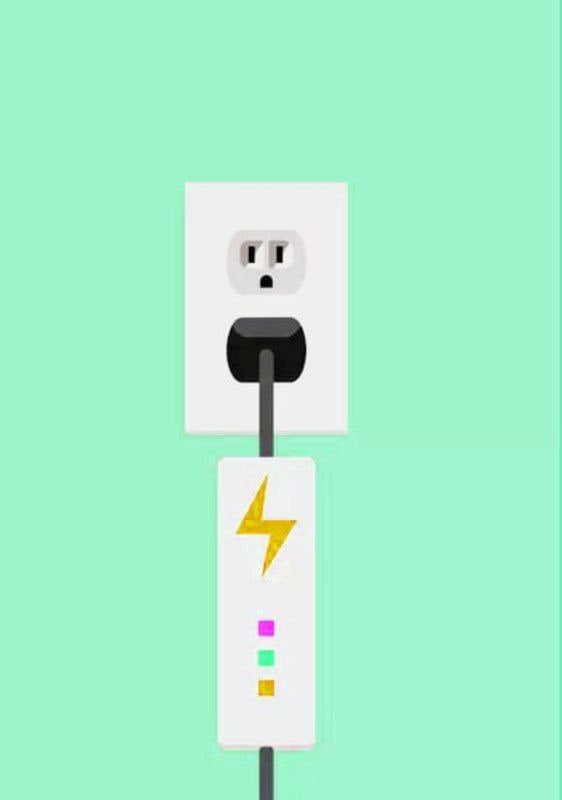
In North American terminology, Level 1 EV charging usually refers to charging from a standard 120V household electrical outlet.
Jordan generally uses a nominal 230V household electrical supply, so the traditional North American 120V Level 1 classification does not directly describe every portable charging option available locally.
Compatible portable AC charging equipment may be used with suitable electrical outlets, provided the outlet, circuit, cable, earthing, and charging current meet the applicable safety requirements.
Portable charging methods generally provide lower charging power than dedicated high-current home charging units.
Important considerations include:
- Charging speed is limited by the available electrical circuit and equipment.
- The outlet must be suitable for the charging current and continuous operation.
- Charging time can be considerably longer than with a dedicated Level 2 charger.
- Repeated high-current charging from unsuitable household outlets should be avoided.
Level 2 EV Chargers – Dedicated Home Charging Stations
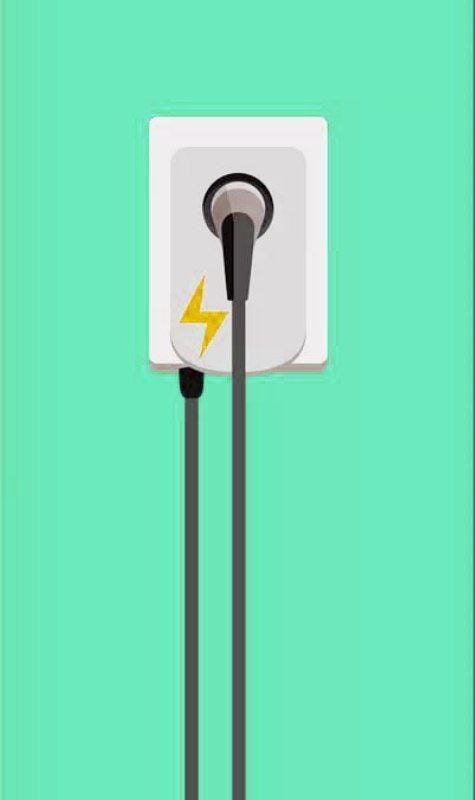
Level 2 EV chargers are widely used for dedicated charging at homes, workplaces, private parking areas, and commercial properties.
These chargers operate using alternating current (AC) and typically provide higher charging power than low-current portable charging methods.
In Jordan, a suitable single-phase AC home charging system can operate on a nominal 230V supply. The maximum charging current depends on the charger, vehicle, circuit design, and available electrical capacity.
For example, a 32A single-phase charging unit operating at 230V has a nominal electrical power of approximately 7.4 kW, before considering vehicle or installation limitations.
Advantages of dedicated Level 2 home EV chargers include:
- Higher charging power compared with many portable charging arrangements.
- Convenient overnight charging at home.
- Permanent installation at a designated parking location.
- Availability of adjustable charging current on selected models.
- Suitable installation options for private garages, villas, offices, and parking spaces.
At AL Emtyaz, we provide Level 2 EV charger installation services in Jordan, including site assessment and electrical preparation according to the charger requirements.
Level 3 EV Chargers – DC Fast Charging Stations
Level 3 EV charging generally refers to direct current (DC) fast charging. Unlike AC home charging, DC fast charging equipment converts electrical power externally and supplies controlled DC electricity to the vehicle’s battery system.
DC fast chargers are commonly installed at commercial charging stations, highway service areas, public parking facilities, and other locations requiring faster vehicle charging.
Depending on the equipment, DC charging stations may provide power levels of 50 kW, 100 kW, 150 kW, or more.
Charging duration varies according to the vehicle’s supported DC charging power, battery capacity, state of charge, temperature, and charging curve. Fast charging does not mean that every electric vehicle can be fully charged in 30 minutes.
DC fast charging systems generally require:
- Appropriate high-capacity electrical infrastructure.
- Suitable electrical protection and distribution equipment.
- Compatible DC charging connectors and communication systems.
- Professional site design and installation.
- Applicable permissions, regulatory approvals, and utility arrangements.
For most residential properties, an appropriately sized AC charger is more practical and economical than a commercial DC fast charging system.
What Is the Best Home EV Charger in Jordan?
For many electric vehicle owners, a dedicated Level 2 AC home charger offers a practical balance between charging speed, installation requirements, and cost.
However, the best home charger is not necessarily the one with the highest advertised power rating. The charger must match the vehicle’s charging capabilities and the property’s available electrical supply.
7 kW and 7.4 kW Home EV Chargers
Single-phase chargers in the approximately 7 kW to 7.4 kW category are commonly considered for residential charging where a suitable electrical circuit is available.
At a nominal 230V supply and 32A current, the theoretical electrical power is approximately 7.36 kW.
The actual charging power may be lower if the car’s onboard charger, charging cable, electrical installation, or charging settings impose a lower limit.
11 kW Home EV Chargers
An 11 kW home charger generally requires a compatible three-phase electrical supply and a vehicle capable of accepting the corresponding three-phase AC charging power.
It may be suitable for some homes, offices, and buildings equipped with appropriate three-phase electrical infrastructure.
22 kW Home and Workplace EV Chargers
A 22 kW AC charger generally requires a suitable three-phase electrical supply and a compatible vehicle capable of using that charging power.
At a nominal 400V three-phase supply and 32A per phase, the theoretical electrical power is approximately 22 kW.
However, a single-phase 32A charger cannot simply be converted into a 22 kW charger by connecting it to a three-phase supply. The charging equipment and vehicle must support three-phase operation.
At AL Emtyaz, we help assess the available power and charging requirements before recommending the appropriate charger capacity.
How Does a Home AC Electric Vehicle Charger Work?
A home AC EV charger supplies alternating current electricity to the electric vehicle through a controlled charging connection.
The vehicle’s onboard charger converts the incoming AC electricity into direct current (DC), which is used to charge the battery.
The external charging equipment helps manage the charging connection, communicates the permitted current, and incorporates relevant safety controls.
Single-Phase AC Home Charging
Single-phase AC charging is commonly used in residential settings. The available charging power depends on the electrical voltage, current rating, and system limitations.
A compatible 32A charger connected to a suitable 230V single-phase circuit can offer charging power of approximately 7.4 kW.
Before installation, the circuit must be assessed to ensure that the wiring, protective equipment, and available electrical capacity are appropriate for continuous charging.
Three-Phase AC Electric Vehicle Charging
Three-phase AC charging can support higher power levels when both the charging equipment and electric vehicle are compatible.
It may be suitable for buildings with three-phase electrical supplies, including selected residential properties and commercial facilities.
Understanding kW and kWh in EV Charging
Charging power and battery energy capacity are different measurements.
- kW (Kilowatts): Measures charging power, or the rate at which electrical energy is supplied.
- kWh (Kilowatt-Hours): Measures electrical energy, such as the energy stored in a vehicle battery or consumed during charging.
For example, a 7.4 kW charger does not provide 7.4 kWh every second. Under ideal conditions, it supplies approximately 7.4 kWh of electrical energy over one hour of operation at full rated power.
Can You Install a DC Fast EV Charger at Home?
Installing a DC fast charger at a residential property may be technically possible in selected circumstances, but it generally requires significantly more infrastructure, electrical capacity, and investment than conventional home AC charging.
For most homeowners, a dedicated AC Level 2 charging system is the more practical option.
Before considering a residential DC charging installation, several important requirements should be reviewed.
- Vehicle Compatibility: Confirm that the electric vehicle supports DC charging and uses a connector compatible with the proposed charger.
- Electrical Capacity: Determine whether the property’s available electrical supply can support the required power.
- Power Supply Configuration: Evaluate the charger input requirements, including whether a suitable three-phase supply or other approved infrastructure is needed.
- Electrical Protection: Specify appropriate cables, switchgear, circuit protection, earthing, and other required safety equipment.
- Charging Equipment: Select a charger with the necessary DC power conversion, vehicle communication, and charging management functions.
- Regulatory Requirements: Confirm applicable permissions and installation requirements with the relevant authorities and electricity provider.
- Installation Costs: Compare the total investment with the practical charging benefits and the expected frequency of use.
Because DC charging systems are more complex, they are generally better suited to commercial charging stations, fleet operations, or other specialised applications.
Are All Electric Vehicles Compatible with DC Fast Chargers?
Not every electric vehicle can use every DC fast charger. Compatibility depends on the vehicle model, charging inlet, supported charging standard, communication system, and maximum accepted charging power.
Some vehicles support only AC charging, while others accept both AC and DC charging through compatible connectors.
DC charging interfaces may include CCS, CHAdeMO, GB/T DC, and other standards depending on the vehicle and market.
Before installing or purchasing a DC charger, the vehicle’s technical specifications should be reviewed to confirm compatibility.
Level 2 AC vs DC Fast Charging: Which Is Better for Home Use?
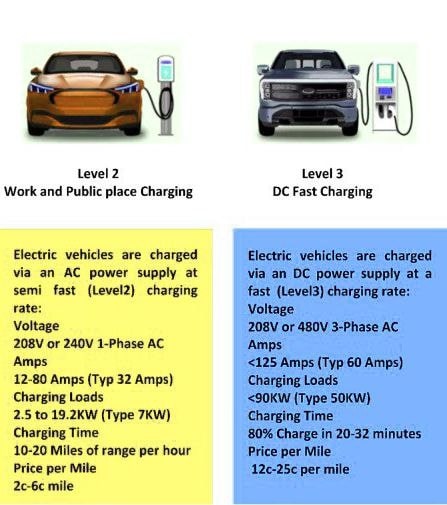
Both AC and DC charging systems can charge compatible electric vehicles, but their electrical requirements, installation costs, charging speeds, and typical applications are different.
For a homeowner deciding between a dedicated AC charger and a DC fast charging system, the following comparison highlights the main differences.
1. Charging Speed and Power
Level 2 AC charging typically operates at lower power than commercial DC fast charging. A suitable home AC charger can replenish a significant amount of energy during overnight parking.
DC fast charging can deliver substantially higher power, but the actual charging rate is limited by the vehicle’s battery system and supported charging capabilities.
2. Compatibility with Electric Vehicles
Most modern electric vehicles support AC charging, although connector types and maximum charging rates differ.
DC fast charging requires additional vehicle compatibility and a suitable DC charging connector.
3. Installation Costs
Home AC EV charger installation generally requires less expensive equipment and less complex electrical infrastructure than a DC fast charging installation.
DC fast chargers can require high-capacity electrical connections, additional distribution equipment, specialised installation, and other site preparations.
4. Maintenance Requirements
AC charging units generally have simpler equipment configurations than commercial DC charging systems.
DC fast charging equipment may require additional maintenance related to power electronics, cooling systems, communication equipment, and other components.
5. Daily Charging Convenience
AC home charging is suitable for vehicles that remain parked for several hours, especially overnight.
DC fast charging is generally more useful where drivers require shorter charging stops, such as highways, public charging stations, and commercial operations.
AC and DC EV Charger Comparison Table
| Feature | Level 2 AC Charger | DC Fast Charger |
|---|---|---|
| Typical Application | Homes, offices, private parking | Public and commercial charging stations |
| Charging Power | Commonly around 7–22 kW | Often 25 kW or higher |
| Current Delivered to Vehicle | Alternating Current (AC) | Direct Current (DC) |
| Battery Conversion | Vehicle onboard charger | External DC charging equipment |
| Installation Complexity | Usually lower | Usually higher |
| Equipment Cost | Generally lower | Generally higher |
| Best Use | Daily home or workplace charging | Rapid charging and commercial applications |
| Vehicle Compatibility | Requires compatible AC connector and vehicle | Requires DC charging support and compatible connector |
For most residential installations in Jordan, a properly selected Level 2 AC charger is the more practical choice. It provides convenient home charging without the infrastructure costs normally associated with DC fast charging stations.
How We Install a Home EV Charger in Jordan
Professional home electric car charger installation requires proper planning, assessment of the electrical system, selection of compatible equipment, and testing after installation.
At AL Emtyaz, our installation process is organised around the customer’s vehicle, property layout, charger specifications, and available electrical infrastructure.
1. Initial Consultation and Charger Requirements
We begin by identifying the vehicle model, charging connector, desired charging power, and whether the customer already owns a charger.
We also discuss the intended installation location and daily charging requirements.
2. Electrical Site Assessment
Before installation, the electrical supply and proposed charging location are assessed.
Important checks may include:
- Available electrical supply and circuit capacity.
- Single-phase or three-phase electrical configuration.
- Existing electrical panel and protective devices.
- Earthing arrangements.
- Distance between the electrical supply and charger location.
- Parking layout and environmental exposure.
3. Selecting the Suitable Charger and Installation Location
Based on the assessment, we determine the appropriate charging equipment and installation position.
The charger should be positioned to allow practical access to the vehicle while avoiding unnecessary cable strain, obstruction, or exposure beyond the equipment’s rated conditions.
4. Preparing the Dedicated Electrical Circuit
Where required, a suitable electrical circuit is installed or prepared for the charging equipment.
Cable size, circuit breakers, residual-current protection, and other electrical components are selected according to the charger’s requirements, circuit conditions, and applicable electrical standards.
Because EV charging can involve sustained electrical loads, circuit design should account for the relevant continuous operating conditions.
5. Mounting and Connecting the EV Charger
The charging unit is mounted in the selected position and connected according to the manufacturer’s installation instructions.
The installation may include appropriate mounting equipment, cable routing, protective enclosures, and electrical connections depending on the site requirements.
6. Electrical Testing and Safety Checks
After installation, the electrical connections and protective arrangements are checked before the charger is placed into service.
Testing and verification should be performed by suitably qualified personnel using appropriate procedures and equipment.
7. Charger Configuration and Operational Handover
Once installation and testing have been completed, the charging equipment is configured according to the available electrical capacity and vehicle requirements.
We explain relevant charging settings, basic operation, safety considerations, and any limitations that should be observed during daily use.
Request professional EV charging point installation in Jordan. Contact AL Emtyaz at 0798495491 to discuss the installation requirements for your home or workplace.
Home EV Charger Installation Cost in Jordan
The cost of home EV charger installation in Jordan depends on the selected charging equipment, electrical infrastructure, installation distance, required protective components, and site conditions.
Purchasing an electric vehicle charger and installing the charger are two different expenses. The total cost should be calculated according to the equipment supplied and the work required at the property.
What Affects Home EV Charger Installation Prices?
The main factors affecting installation costs include:
- Charger Type: Portable charging equipment and permanently installed wall-mounted chargers have different installation requirements.
- Charging Capacity: A higher-powered charger may require additional electrical capacity or equipment.
- Electrical Supply: The available single-phase or three-phase supply affects system selection and installation design.
- Cable Distance: Longer cable runs may increase material and labour requirements.
- Electrical Panel Condition: Upgrades or additional protective devices may be needed in some properties.
- Parking Location: Indoor garages, outdoor parking spaces, and shared parking areas may require different installation arrangements.
- Property Location: Transportation and scheduling requirements may vary between Amman and other Jordanian cities.
- Additional Work: Cable containment, mounting structures, protective enclosures, and other site-specific preparations may affect the final quotation.
Installation Only vs Charger Supply and Installation
Customers who already own a compatible charger may request installation only. In this case, the quotation is based mainly on the electrical work, materials, mounting, and testing requirements.
When AL Emtyaz supplies the charging equipment, the quotation may include the charger price in addition to the installation scope.
Before confirming the service, it is useful to identify exactly which materials and installation activities are included.
How to Request an EV Charger Installation Quote
To help us assess your installation requirements, provide the vehicle model, charger details if available, property location, parking arrangement, and approximate distance to the electrical distribution panel.
Photographs of the installation location and electrical panel may help with an initial assessment, although a site inspection may still be necessary.
Electric Car Charger Compatibility: Type 1, Type 2, GB/T and Tesla
Selecting the correct home EV charging equipment involves checking the charging connector used by the vehicle.
Electric vehicles in Jordan may originate from different international markets, and their charging ports do not always follow the same standard.
Type 1 EV Charging Connector
The Type 1 connector, also known as SAE J1772, is used for AC charging on certain vehicles originally designed for markets such as North America and Japan.
Compatibility with the chosen charging equipment should be checked before purchasing a home charger.
Type 2 EV Charging Connector
The Type 2 connector is widely used for AC electric vehicle charging in European markets and supports suitable single-phase and three-phase charging configurations.
The available charging power depends on the charging equipment, connector, electrical supply, and vehicle onboard charger.
GB/T Electric Vehicle Charging Connector
Vehicles built for the Chinese market may use GB/T charging interfaces. GB/T AC and GB/T DC are different interfaces, and their compatibility should not be assumed from the appearance of the connectors.
Owners of Chinese-market vehicles should confirm the vehicle’s charging port and the required connector before selecting an EV charger.
Tesla EV Charging Compatibility
Tesla vehicles can have different charging interfaces depending on their model, year, and market of manufacture.
Before installing a charger for a Tesla, the vehicle’s charging inlet and available equipment compatibility should be verified.
AL Emtyaz can help assess charger compatibility for vehicles from BYD, Geely, BMW, Renault, Tesla, Ford, Volkswagen, Nissan, Kia, and other manufacturers, according to the exact vehicle specifications.
Home EV Chargers Available from AL Emtyaz
Electric vehicle owners may find charging equipment from different manufacturers and suppliers, including Sigma, Alpha, Tesla, Zencar, Wallbox, and other brands.
However, product availability changes, and not every brand or model is necessarily available for immediate purchase or installation.
Sigma Home EV Chargers
Our current product offering focuses on Sigma EV charging equipment for suitable residential and commercial applications.
For home charging, the Sigma Level 2 32A model offers adjustable charging current, a digital display, and practical features intended for daily use.
Exact availability, charging connector, technical specifications, pricing, and warranty conditions should be confirmed before ordering.
Other EV Charger Brands and Existing Customer Equipment
Other charger brands may be available in the Jordanian market, but AL Emtyaz does not currently list the previously mentioned alternative models as available stock.
Customers who already own a charger from another manufacturer may still request an installation assessment, provided the charger is compatible with the vehicle, electrical supply, and applicable installation requirements.
This means you do not necessarily need to purchase another charging unit when your existing equipment is suitable for installation.
Home EV Charger Installation Safety and Electrical Requirements
Electrical safety is one of the most important considerations when installing a dedicated electric vehicle charger at home.
Unlike many household appliances, an EV charger may operate for several consecutive hours while supplying a substantial electrical load.
For this reason, an appropriate electrical assessment should be carried out before installation.
Dedicated Electrical Circuit
Depending on the charger type and electrical conditions, a dedicated circuit may be required to provide suitable protection and electrical capacity.
The circuit must be designed according to the charger’s rated current, manufacturer requirements, and applicable electrical standards.
Suitable Circuit Breakers and Residual-Current Protection
Appropriate circuit protection helps address electrical faults and protects the installation under specified operating conditions.
Residual-current and DC fault protection requirements depend on the charger design, its built-in protection functions, and the applicable electrical installation rules.
Cable Sizing and Earthing
The required cable size depends on the charging current, installation method, cable length, conductor type, environmental conditions, and permissible voltage drop.
Proper earthing and electrical testing are also essential parts of preparing a safe charging installation.
Outdoor EV Charger Installation
When installing a charger outdoors, the equipment must be suitable for the expected environmental conditions, including exposure to rain, dust, heat, and sunlight.
The charger’s verified ingress protection rating, manufacturer instructions, and mounting requirements should be checked before selecting the installation location.
Permits and Applicable Requirements in Jordan
Electric vehicle charging installations in Jordan may be subject to relevant electrical, utility, and regulatory requirements depending on the installation type and intended use.
Before installing a private charging station or a commercial charging facility, the applicable requirements should be checked with the relevant electricity distribution company and regulatory authorities.
Professional installation should always follow the equipment manufacturer’s instructions and applicable safety requirements.
Why Choose AL Emtyaz for Home EV Charger Installation in Jordan?
Choosing an EV charger installation company in Jordan involves evaluating more than the purchase price of the charging equipment.
The selected charger must be compatible with the vehicle, while the electrical installation must be suitable for the intended charging load.
At AL Emtyaz Facilities Management, we focus on matching the charging solution to the customer’s vehicle, property, and electrical requirements.
Our service approach includes:
- Home Charger Installation: Installing suitable EV charging equipment in private garages, residential parking spaces, and other eligible locations.
- Installation of Existing Chargers: Helping customers who already own a compatible charging unit.
- Sigma Charger Supply: Providing information about available Sigma charging products and their specifications.
- Electrical Site Assessment: Reviewing the available power supply, circuit requirements, and installation location.
- Charging Compatibility Checks: Confirming the vehicle’s charging interface and electrical limitations before selecting equipment.
- Project-Specific Quotations: Explaining the equipment and installation requirements before proceeding.
- Testing and Handover: Reviewing operation and relevant charging settings after installation.
Our services are available for suitable projects in Amman and other areas of Jordan, subject to installation requirements and scheduling.
Home EV Charger Installation Services in Amman and Across Jordan
AL Emtyaz provides home charging installation solutions for electric vehicle owners in Amman and other Jordanian cities.
The service can be arranged for suitable private residences, villas, residential parking facilities, offices, and commercial properties.
Installation outside Amman depends on the project location, electrical requirements, and service schedule.
To discuss an installation in Amman, Zarqa, Irbid, Salt, Madaba, or another location in Jordan, contact our team with the property details and required charger specifications.
Frequently Asked Questions About Home EV Charger Installation in Jordan
How much does it cost to install a home EV charger in Jordan?
The installation cost depends on the charger type, electrical circuit, cable distance, required protective equipment, and property conditions. A site assessment or sufficient installation information is needed to prepare an accurate quotation.
Can I install an EV charger at home in Amman?
Yes, a suitable EV charger can be installed at many residential properties when the electrical supply, installation location, charging equipment, and applicable requirements permit it. The property should be assessed before installation.
Can AL Emtyaz install a charger I already purchased?
Yes. You can request installation of an existing electric vehicle charger. We assess the charger’s specifications, vehicle compatibility, and electrical installation requirements before proceeding.
What is the best type of EV charger for home use?
For many homes, a dedicated Level 2 AC charger offers a practical solution for daily charging. The appropriate charging power depends on the property’s electrical capacity and the vehicle’s onboard charging capabilities.
What is the price of a Sigma 32A EV charger in Jordan?
The Sigma Level 2 32A charger has been advertised at JOD 140. Contact AL Emtyaz to confirm the current price, model specifications, availability, warranty terms, delivery arrangements, and installation cost.
How fast is a 32A home EV charger?
At a nominal 230V single-phase supply, a 32A charger has a theoretical electrical power of approximately 7.4 kW. Actual charging speed depends on the vehicle’s onboard charger, battery conditions, charging settings, and electrical supply.
Can a 32A home charger work on a single-phase electricity supply?
Yes, compatible 32A single-phase chargers can operate on a suitable single-phase supply when the electrical installation is designed and protected for the required load. An electrical assessment is necessary before installation.
Can I install a 22 kW charger at home?
A 22 kW AC charger may be suitable for properties with an appropriate three-phase electrical supply and sufficient available capacity. The vehicle must also support the relevant three-phase AC charging rate to make full use of the charger’s capacity.
Does a Level 2 charger work with all electric cars?
Not automatically. Most electric cars support AC charging, but connector types and maximum charging rates vary. The correct charging connector and equipment specifications must be confirmed for the vehicle.
Can a Sigma charger charge BYD, Tesla, or Geely electric cars?
Compatibility depends on the exact vehicle model, market version, charging port, and Sigma charger connector. Contact AL Emtyaz with your vehicle details to confirm the appropriate charging equipment.
How long does it take to charge an electric car at home?
Charging time depends on the battery capacity, starting charge level, charger power, and vehicle limitations. A suitable Level 2 charger can replenish a significant amount of energy during several hours of parking, but exact charging times vary by vehicle.
Is a dedicated electrical circuit required for home EV charging?
A dedicated circuit is commonly required for higher-power home charging equipment. The final electrical arrangement should follow the charger’s specifications and applicable installation standards.
Can a home EV charger be installed outdoors?
Yes, suitable outdoor-rated EV chargers can be installed in eligible exterior locations. The equipment must have appropriate environmental protection and be installed according to the manufacturer’s requirements.
Is a DC fast charger suitable for a private home?
DC fast chargers are generally designed for higher-power commercial applications. Although specialised residential installations may be technically possible, they usually require considerably more electrical capacity and investment than standard home AC charging.
Do you provide EV charger installation outside Amman?
Yes. AL Emtyaz provides EV charger installation services for suitable projects in Amman and other parts of Jordan, subject to scheduling and installation requirements.
How can I request home EV charger installation?
Call 0798495491 or contact AL Emtyaz through WhatsApp. Provide your vehicle model, property location, and whether you already own a charger so our team can discuss the appropriate service.
Book Home EV Charger Installation in Amman, Jordan
A dedicated home electric vehicle charger can make daily charging more convenient by allowing you to charge your car in your own parking space instead of relying entirely on public charging stations.
At AL Emtyaz Facilities Management, we provide home EV charger installation services in Jordan for customers requiring electrical site assessment, charger installation, charging point preparation, and compatible equipment supply.
Whether you already own an electric car charger or need to purchase a suitable Sigma Level 2 32A charging unit, we can help you understand the equipment requirements, installation arrangements, and relevant costs.
Our service is suitable for private homes, villas, garages, designated parking spaces, offices, and other eligible properties in Amman and across Jordan.
Call AL Emtyaz today at 0798495491 to request professional home electric car charger installation, ask about Sigma charger availability, or receive a quotation for your property.
You can also contact our team directly through WhatsApp using the button below: