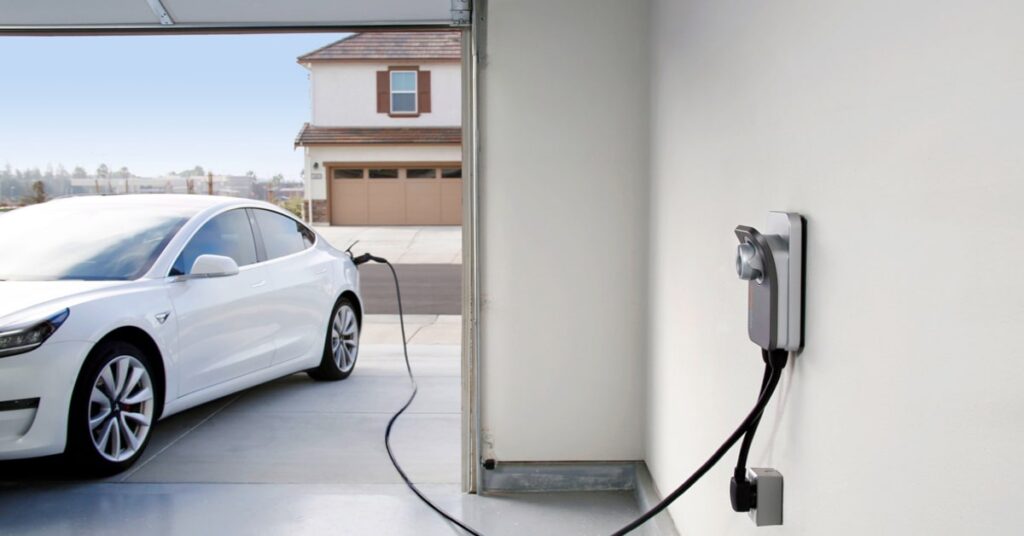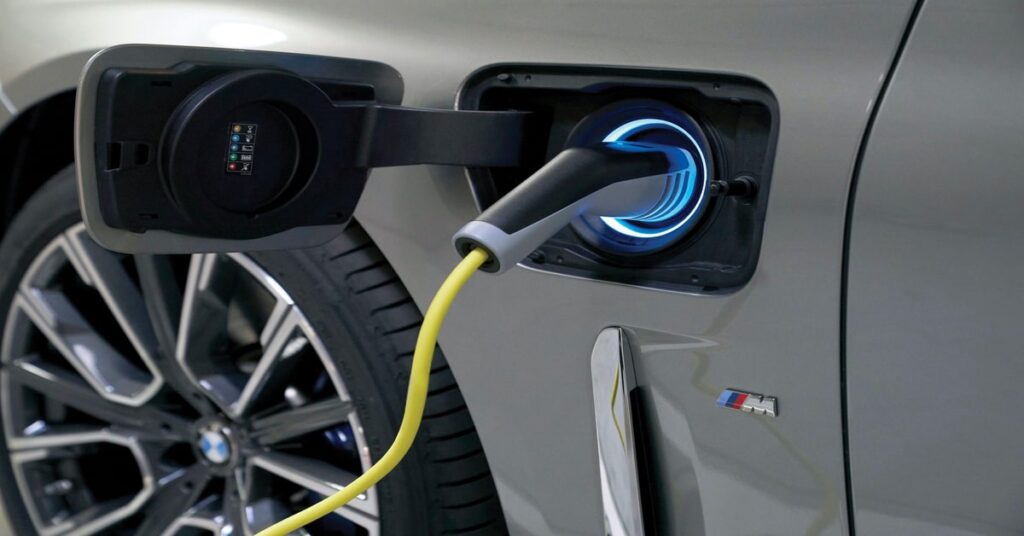
The cost of installing an EV charging station in Jordan depends on several factors, including the number of charging points, AC or DC charger technology, charging capacity, electrical infrastructure, site location, and licensing requirements. A small commercial charging installation has very different costs from a public DC fast charging station with multiple chargers.
At AL Emtyaz, we help businesses, investors, property developers, and facility owners plan and establish electric vehicle charging stations in Amman and across Jordan. Our services cover site assessment, technical design, charger selection, electrical installation, commissioning, and technical support.
For a complete overview of available equipment and related solutions, explore our EV charger sales and installation services in Jordan, covering home chargers, commercial charging systems, and public EV charging infrastructure.
In this guide, we explain the main factors affecting EV charging station setup costs in Jordan, compare AC and DC charging solutions, discuss infrastructure and permit requirements, and outline how to obtain an accurate quotation for your project.
Request a customized EV charging station cost estimate. Contact AL Emtyaz at 0798495491 to discuss your proposed location, charging requirements, and project budget.
You can also contact our team directly through WhatsApp:
What Determines the Cost of an EV Charging Station in Jordan?
There is no universal price for building an electric vehicle charging station. The total investment depends on the equipment selected, available electrical capacity, installation complexity, and the intended operating model.
Understanding the following factors helps investors prepare a realistic EV charging station installation budget and avoid overlooking important infrastructure expenses.
1. Number of EV Chargers and Charging Points
The number of chargers installed at a location directly affects the initial project cost. A small station with one charging unit requires less equipment and electrical infrastructure than a commercial charging hub with five or six units.
Each additional charger may require dedicated electrical circuits, protective devices, cable routes, installation work, and available electrical capacity.
It is also important to distinguish between the number of chargers and the number of vehicles that can charge simultaneously. Some charging units have multiple connectors, while the available power may be shared between charging sessions.
2. AC vs. DC EV Charger Installation Cost
One of the biggest factors affecting EV charging station prices in Jordan is the choice between AC and DC charging technology.
- AC EV chargers: Generally offer lower equipment and installation costs. They are commonly suitable for residential buildings, offices, hotels, parking facilities, and locations where vehicles remain parked for longer periods.
- DC fast chargers: Deliver direct current to the vehicle battery and support faster charging where the vehicle can accept it. They generally require more expensive charging equipment and higher-capacity electrical infrastructure.
The most suitable option depends on expected charging demand, vehicle parking duration, the type of customers using the station, and the available project budget.
3. Charging Power: From 22 kW to 360 kW
Charging power has a significant impact on the cost of commercial EV charging infrastructure. Higher-power chargers usually require more advanced electrical systems, protective equipment, and power distribution arrangements.
Common charging configurations include:
- Up to 22 kW AC charging: Often considered for workplaces, residential complexes, hotels, and destinations with longer parking times.
- 60 kW DC fast charging: An option for commercial locations where faster charging is important.
- 120–180 kW DC charging: Suitable for certain higher-demand commercial charging applications.
- 240–360 kW high-power charging: Designed for locations with suitable infrastructure and vehicles capable of accepting high charging power.
These ratings represent charger output capacity. Actual charging speed depends on the vehicle, battery condition, charging curve, temperature, connector compatibility, and available station power.
4. Electrical Infrastructure and Grid Connection
The condition of the existing electrical infrastructure can substantially affect the total EV charging station setup cost.
Before installation, the site must be assessed to determine whether the available electricity supply can support the proposed chargers.
Potential infrastructure expenses include:
- New electrical distribution panels and circuit protection.
- Power cables, conduits, and cable management systems.
- Electrical capacity upgrades or transformer-related work where required.
- Grounding, earthing, and electrical safety systems.
- Excavation, trenches, and underground cable installation.
- Concrete foundations and charger mounting structures.
- Electricity metering and connection arrangements.
A site with sufficient existing electrical capacity may require less investment than a location needing substantial grid connection upgrades.
5. EV Charging Station Location and Site Conditions
Location affects installation costs because different sites have different electrical, construction, access, and operating requirements.
For example, the infrastructure needed for an EV charging station at a shopping mall in Amman may differ from a roadside charging hub, fuel station, hotel, or commercial property in another Jordanian governorate.
Important considerations include parking layout, distance from the electrical supply, ground conditions, traffic movement, charger accessibility, lighting, safety arrangements, and construction requirements.
6. Licensing, Permits, and Utility Approvals in Jordan
Establishing a public or private EV charging station in Jordan involves regulatory requirements. The Energy and Minerals Regulatory Commission (EMRC) regulates licensing and permits for electric vehicle charging activities.
Depending on the station’s classification and proposed location, the project may require regulatory approval, electricity distribution company coordination, municipal requirements, and applicable technical and safety documentation.
Requirements can differ between public commercial charging stations and private charging facilities. Applicable permits, fees, and approval procedures should be confirmed for each project before construction or operation.
AL Emtyaz assists with the technical documentation and coordination required for the permitting process, while the relevant authorities remain responsible for issuing approvals and licenses.
For official information, refer to the Energy and Minerals Regulatory Commission.
7. EV Charger Brand, Model, and Equipment Specifications
The selected charging equipment is another major part of the electric vehicle charging station investment cost. Different models have different power ratings, connector configurations, control features, and installation requirements.
AL Emtyaz offers access to SIGMA and BENY charging solutions, including models and configurations such as:
- BENY Model D EV Charger.
- BENY Centralized Charging Systems.
- SIGMA Model D – New Generation.
- BENY Model C EV Charger.
- BENY Model B EV Charger.
- BENY Model A EV Charger.
Equipment selection should consider the required charging capacity, number of connectors, compatible charging standards, available electrical supply, payment options, and maintenance requirements. Specific features and connector availability depend on the model and configuration selected.
EV Charging Station Cost Breakdown: Equipment, Installation, and Operation
A realistic EV charging station cost estimate in Jordan should include more than the purchase price of the chargers. Investors need to consider construction, electrical infrastructure, approvals, commissioning, and ongoing operating expenses.
The following table outlines the main cost categories typically considered when planning a commercial EV charging station.
| Cost Category | What It Includes | Main Cost Driver |
|---|---|---|
| EV Charging Equipment | AC or DC chargers, connectors, and charger control equipment. | Brand, power rating, and configuration. |
| Electrical Infrastructure | Distribution panels, power cables, protective devices, and electrical connections. | Available capacity and distance from the supply. |
| Grid Connection Upgrades | Supply upgrades, transformer-related work, and utility connection requirements where needed. | Total station power demand. |
| Civil Works | Excavation, trenches, concrete foundations, and parking-area modifications. | Site conditions and installation layout. |
| Engineering and Design | Technical assessment, electrical plans, charger layout, and project documentation. | Project complexity and station size. |
| Permits and Approvals | Applicable regulatory, municipal, and utility procedures. | Station classification and location. |
| Installation and Commissioning | Equipment installation, electrical testing, configuration, and initial operation. | Number of chargers and installation requirements. |
| Charging Management Systems | Monitoring software, network connectivity, and payment integration where required. | Selected platform and operational features. |
| Maintenance and Operation | Electricity, inspections, maintenance, connectivity, and ongoing support. | Usage levels, electricity tariff, and service arrangements. |
These categories provide a planning framework rather than a fixed price list. A detailed quotation should specify the equipment and services included, along with any separately priced utility work, civil construction, or third-party fees.
Small, Medium, and Large EV Charging Station Projects
The overall budget also depends on the size and intended use of the charging facility.
- Small charging installation: May involve one AC charger or a single DC charging unit at a commercial property, depending on electrical capacity and usage requirements.
- Medium commercial charging station: May include several charging points, additional electrical distribution, dedicated parking spaces, and charging management features.
- Large public fast charging hub: May require multiple high-power DC chargers, substantial grid capacity, civil works, payment systems, and a more comprehensive operating infrastructure.
AL Emtyaz can evaluate the proposed project and prepare a tailored EV charging station feasibility assessment and cost quotation based on the site’s electrical conditions, planned charger capacity, and business requirements.
How to Get an Accurate EV Charging Station Installation Quote in Jordan
Online equipment prices alone rarely reflect the complete expense of establishing a charging station. The final cost becomes clearer after assessing the location, charger configuration, electrical connection, and project requirements.
AL Emtyaz follows a straightforward process to help you understand the required investment.
- Contact our team: Call 0798495491 or use WhatsApp to share your proposed location, available parking spaces, and initial project requirements.
- Schedule a free site assessment: Our technical team evaluates the location, electricity supply, site accessibility, parking layout, and potential charging demand.
- Choose the charging solution: We recommend suitable AC or DC charging equipment, power ratings, connector options, and the number of charging points.
- Receive a detailed quotation: The proposal identifies the equipment, electrical installation, infrastructure work, commissioning, and relevant after-sales services included in the scope.
- Review project feasibility: For investment projects, we can discuss expected usage, operating expenses, and practical considerations affecting commercial performance.
Our objective is to provide a clear estimate of the cost to build an EV charging station in Jordan, based on the specific requirements of your location rather than a generic equipment price.
SIGMA and BENY EV Chargers for Commercial Charging Stations
When developing a public or commercial electric vehicle charging station, selecting compatible and reliable charging equipment is essential. Charger power, vehicle compatibility, safety features, and maintenance support all affect the long-term operation of the facility.
Through its cooperation with SIGMA, AL Emtyaz Facilities Management provides access to SIGMA and BENY EV charging solutions for different commercial and infrastructure applications in Jordan.
EV Charging Connector Types and Vehicle Compatibility
Electric vehicles sold in Jordan may use different charging connectors depending on their market of origin, manufacturer, and model. Choosing the correct connector configuration is therefore important when planning a public charging station.
Depending on the charger model and available configuration, relevant standards and connector types include:
- CCS1: A combined charging connector used by certain North American-market electric vehicles.
- CCS2: A widely adopted combined charging standard used by many European-market and other electric vehicles.
- CHAdeMO: A DC fast charging standard used by certain Japanese electric vehicle models.
- GB/T: Charging standards used by many Chinese-market electric vehicles.
- Tesla charging compatibility: Depends on the vehicle version, installed connector, regional charging standard, and any manufacturer-approved adapter.
Not every charger supports every connector. During equipment selection, AL Emtyaz reviews the charging interfaces available for the proposed model and the vehicles expected to use the station.
DC Fast Charging Solutions From 60 kW to 360 kW
SIGMA and BENY charging solutions include configurations for different charging capacities and site requirements. Depending on equipment availability and the project design, commercial DC fast charging solutions may range from 60 kW to 360 kW.
These configurations can be considered for:
- Public EV charging stations.
- Fuel stations and highway service areas.
- Shopping malls and commercial parking facilities.
- Corporate and commercial vehicle fleets.
- Hotels, mixed-use developments, and major facilities.
Higher-power charging equipment does not automatically guarantee faster charging for every vehicle. Charging performance must be evaluated against the vehicle’s maximum accepted power and the station’s power-sharing configuration.
Electrical Safety and Charger Protection Systems
Commercial EV charging equipment must be selected and installed with appropriate protection systems. Depending on the charger specifications, available safety features may include:
- Overvoltage and undervoltage protection.
- Overcurrent and overload protection.
- Overtemperature protection.
- Electrical leakage and ground fault protection.
- Surge protection for electrical disturbances.
- Emergency shutdown functions.
- Electrical monitoring and fault detection.
The exact protection features must be verified against the technical specifications of the selected charger. Safe operation also depends on proper installation, electrical testing, scheduled maintenance, and compliance with applicable requirements.
Compatibility With Popular Electric Vehicle Brands in Jordan
Charging station operators may need to accommodate vehicles from a wide range of manufacturers. Examples include:
- Chinese manufacturers: BYD, MG, and Geely.
- Korean manufacturers: Hyundai and Kia.
- American manufacturers: Tesla and Chevrolet.
- European manufacturers: Volkswagen, BMW, and Renault.
Compatibility is determined by the specific vehicle model, regional charging standard, connector, and charger configuration rather than the vehicle brand alone.
From Design to Operation: How We Build EV Charging Stations
Setting up an EV charging station involves technical planning, electrical engineering, equipment supply, installation, approvals, and operational testing.
AL Emtyaz offers a coordinated approach to EV charging station design and installation in Jordan, helping project owners manage the main technical stages from initial assessment through commissioning.
1. Free Site Survey and Technical Assessment
The process begins with a site assessment for the proposed charging location. This may be a fuel station, shopping mall, commercial development, public parking area, or residential complex.
Our technical team evaluates:
- Available parking spaces and proposed charging bays.
- Existing electrical supply and distribution capacity.
- Suitable locations for installing charging equipment.
- Required cable routes and infrastructure work.
- Safety requirements, vehicle access, and site operating conditions.
The results help establish the technical feasibility and the initial EV charging station installation cost estimate.
2. EV Charging Station Design and Equipment Selection
Following the site assessment, our engineering team prepares a charging solution suited to the available location and anticipated usage.
The technical design may include:
- Selection of AC or DC charging equipment.
- Recommended charger quantities and power ratings.
- Charging bay layout and equipment placement.
- Cable routing, electrical connections, and distribution panels.
- Electrical protection and relevant cooling requirements.
- Charging management and payment options where needed.
The purpose is to match the charging infrastructure to the property’s available capacity, operating needs, and investment priorities.
3. Licensing and Coordination With Jordanian Authorities
Depending on the project, setting up a public or private EV charging facility may require coordination with the Energy and Minerals Regulatory Commission, the relevant electricity distribution company, and applicable municipal authorities.
AL Emtyaz can assist with the required technical arrangements, including:
- Preparing relevant engineering and electrical documentation.
- Coordinating with Greater Amman Municipality or other relevant municipalities where applicable.
- Coordinating electricity supply and connection requirements.
- Supporting permit and licensing applications within the agreed project scope.
- Addressing applicable technical and safety requirements.
Approvals remain subject to the competent authorities and the regulations applicable to the proposed charging facility.
4. Charger Supply and Electrical Installation
After finalizing the project requirements and obtaining the necessary approvals, we proceed with equipment supply and installation.
The agreed installation scope may include:
- SIGMA and BENY EV charging equipment.
- Electrical distribution panels and protective equipment.
- Power cables, conduits, and mounting structures.
- Grounding and electrical protection systems.
- Concrete foundations and required civil works.
- Equipment configuration and communication connections where applicable.
Installation work is performed by qualified technical personnel under appropriate engineering supervision, according to the approved project design.
5. Testing, Commissioning, and Initial Operation
Once installation is complete, the charging station must be tested before it enters normal operation.
Our commissioning process includes applicable checks such as:
- Inspecting electrical connections and protective devices.
- Testing charger functionality under suitable conditions.
- Checking equipment configuration and operating settings.
- Verifying metering and monitoring functions where installed.
- Performing charging tests with compatible vehicles or approved test equipment.
The final commissioning procedure depends on the installed charging equipment, station configuration, and applicable technical requirements.
6. Staff Training and After-Sales Technical Support
After commissioning, AL Emtyaz can guide the facility’s staff or designated operators through the main operating procedures.
Training may cover:
- Starting and stopping charging sessions.
- Understanding charger screens, notifications, and operating indicators.
- Basic troubleshooting and reporting procedures.
- Electrical safety and emergency procedures.
- Helping charging station users when operational support is needed.
We also provide guidance on technical support, maintenance arrangements, and operating documentation according to the equipment and agreed service package.
Complete EV Charging Station Solutions Under One Provider
By combining site assessment, equipment selection, technical design, installation, and commissioning, AL Emtyaz helps project owners coordinate the work involved in building an EV charging station.
Contact us for a free initial consultation and find out which charging station configuration is suitable for your site and budget.
Greater Amman Municipality EV Charger Upgrade Project
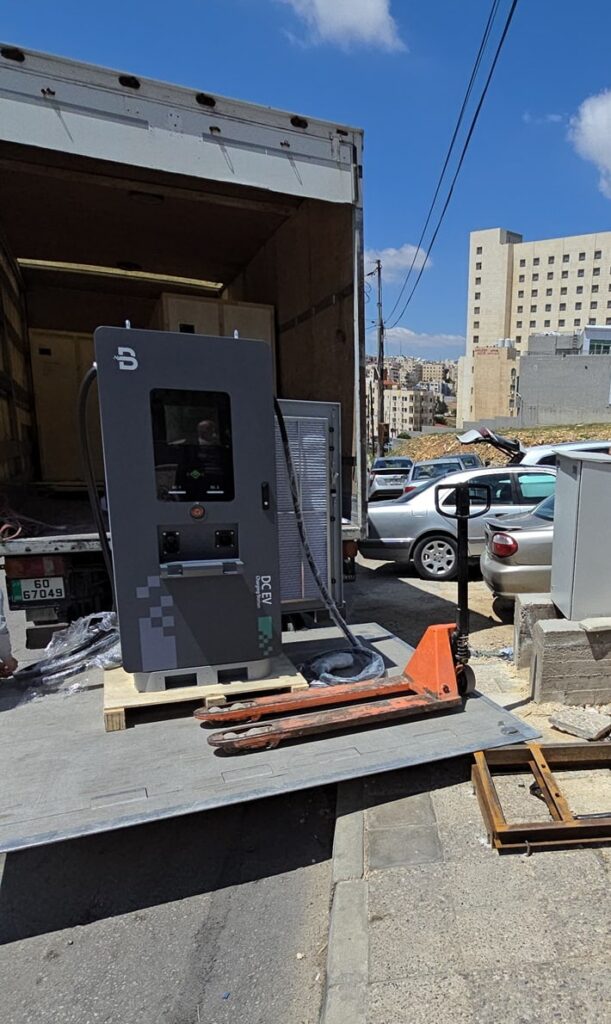
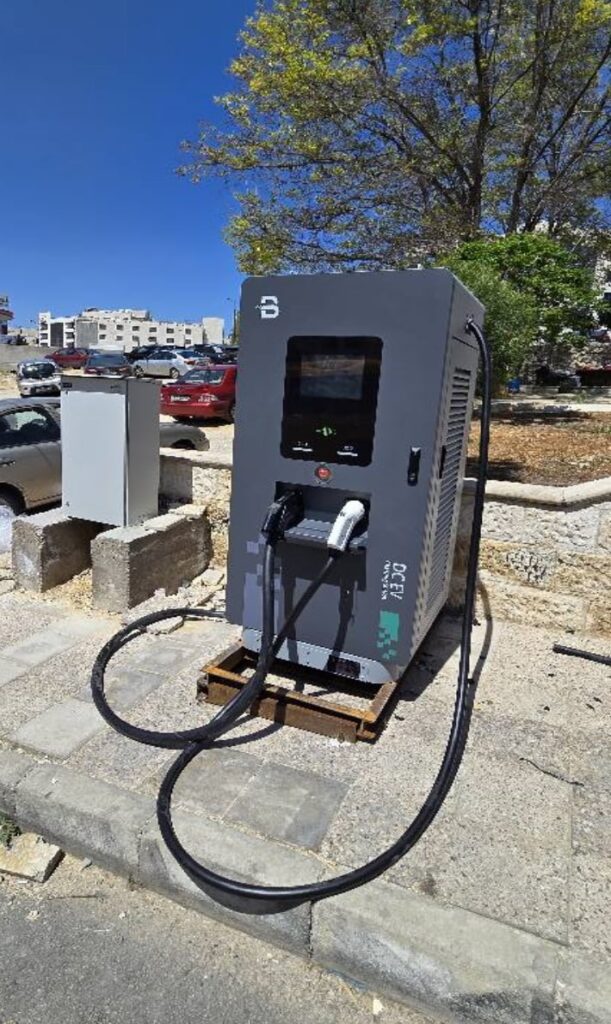
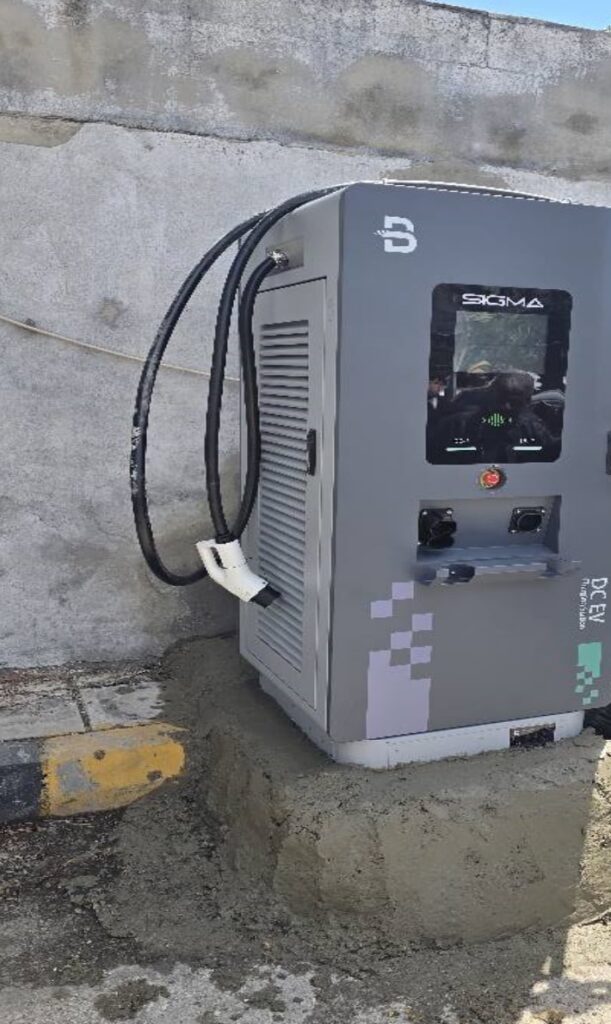
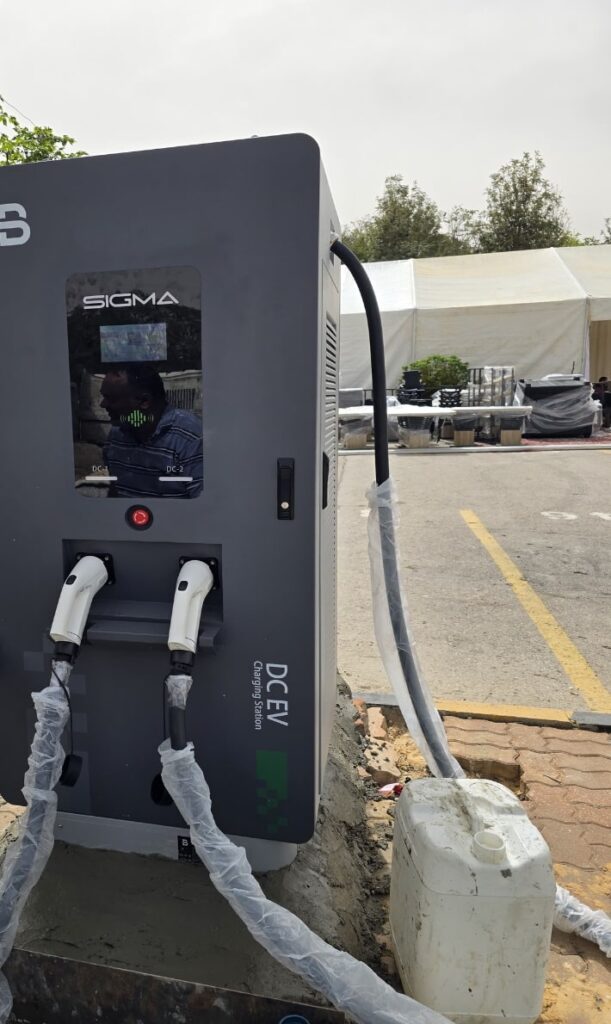
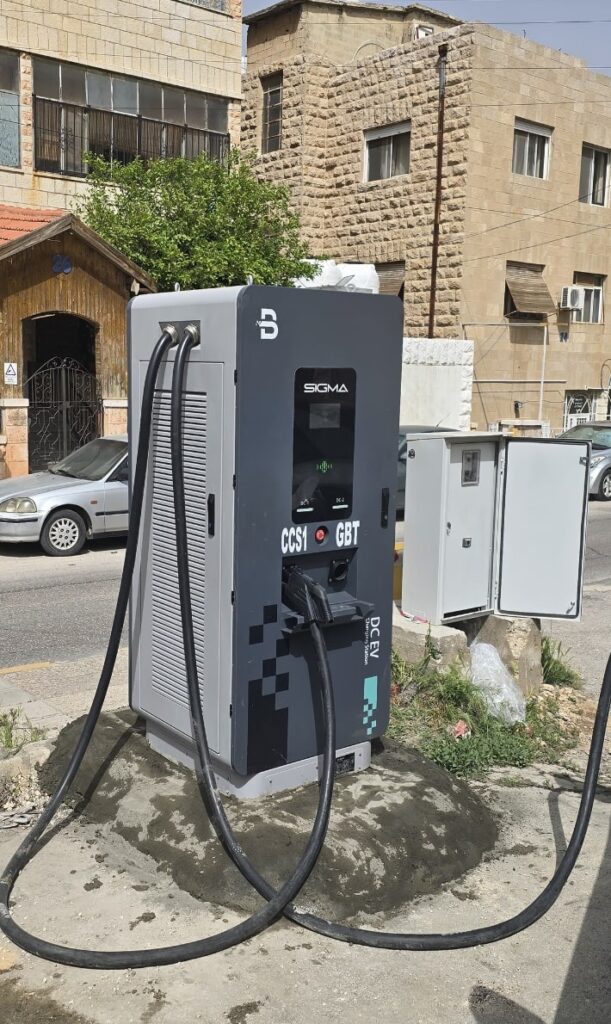
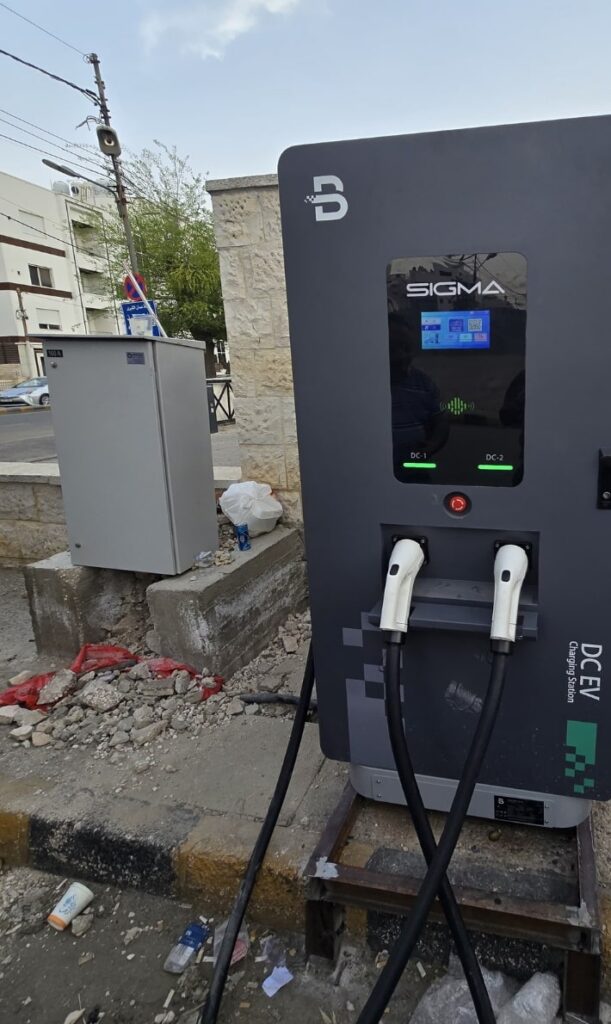
As part of the development of electric vehicle charging infrastructure in Jordan, AL Emtyaz Facilities Management participated in a project to replace and upgrade fast EV chargers associated with Greater Amman Municipality.
The project involved SIGMA and BENY charging solutions at four locations in Amman, supporting the development of public charging infrastructure in the capital.
Key Features of the Amman EV Charging Project
The project highlights several technical considerations relevant to planning and implementing commercial and public charging stations.
- Multi-connector charging solutions: Charging equipment configured to support selected international EV charging standards, depending on the installed units.
- Vehicle compatibility: Charging configurations intended to accommodate different electric vehicle markets and connector requirements.
- Technical implementation: Equipment supply, installation, electrical integration, and commissioning activities.
- Public infrastructure development: Upgrading charging facilities serving electric vehicle users in Amman.
- Project coordination: Bringing together charger technology, site requirements, and operational readiness.
This experience demonstrates the importance of choosing charging equipment and infrastructure appropriate for real operating conditions, particularly for public and commercial charging projects.
If you are considering developing a similar charging facility, AL Emtyaz can assess the site requirements and prepare a proposal covering the equipment and installation work needed.
Is Investing in an EV Charging Station Profitable in Jordan?
Investing in an EV charging station in Jordan can create commercial opportunities for property owners, businesses, and investors. However, profitability depends on more than charger installation costs.
A successful charging station investment requires a location with suitable demand, reliable electrical infrastructure, a practical pricing model, and realistic operating cost assumptions.
1. Demand for Electric Vehicle Charging Services
The presence of electric vehicles from different manufacturers creates opportunities for charging services at accessible and convenient locations.
When evaluating a potential station, investors should assess local EV traffic, existing competition, nearby residential and commercial activity, and the charging needs of drivers likely to use the facility.
A promising market does not guarantee high utilization at every location. Demand should be estimated for the specific site before committing to the investment.
2. EV Charging Infrastructure and Regulatory Planning
Jordan has a regulatory framework for public and private EV charging activities. Investors should account for applicable permits, electricity supply arrangements, station classification, and technical requirements during the project feasibility stage.
Early coordination with the relevant authorities and electricity distribution company helps identify regulatory and infrastructure requirements that may affect the investment schedule and budget.
3. Revenue From EV Charging Sessions
A commercial EV charging station may generate revenue from charging services, subject to the applicable regulatory framework and approved pricing arrangements.
Potential operating arrangements may involve:
- Charging fees based on the approved service pricing model.
- Electronic payment systems and transaction management.
- Digital monitoring of charging sessions and energy consumption.
- Operating reports showing charger usage and service activity.
Revenue must be evaluated against electricity expenses, maintenance, payment processing, software subscriptions, rent or property costs, equipment depreciation, and any other operating expenses.
4. EV Charging Stations for Commercial Properties
Charging facilities can also offer commercial value beyond direct charging revenue. Property owners may install chargers to improve their services and accommodate visitors who drive electric vehicles.
Suitable property types may include:
- Shopping malls and retail centers.
- Fuel stations and highway service areas.
- Hotels and hospitality properties.
- Residential and mixed-use developments.
- Commercial offices and business parks.
- Suitable privately owned land intended for charging station development.
The business benefit depends on the property’s location, users, charging demand, and overall operating model.
5. Estimating EV Charging Station Return on Investment
Before investing, it is useful to prepare a feasibility assessment that considers both the initial capital expenditure and the expected operating performance.
Important financial assumptions include:
- Initial investment: Equipment, installation, permits, infrastructure, and construction costs.
- Expected utilization: Estimated charging sessions and energy delivered during normal operation.
- Revenue: Expected income under the applicable charging tariff and business model.
- Electricity expenses: Energy costs and any applicable capacity-related charges.
- Operating expenses: Maintenance, connectivity, software, staffing, and other recurring costs.
- Financial performance: Estimated operating margin, payback period, and potential return on investment.
These assumptions should be based on realistic location-specific estimates rather than guaranteed traffic levels or revenue projections.
Frequently Asked Questions About EV Charging Station Costs in Jordan
How much does it cost to build an EV charging station in Jordan?
The cost depends on the number and type of chargers, required power capacity, available electrical infrastructure, civil works, permits, and installation requirements. A site survey and detailed project specifications are necessary to produce an accurate quotation in Jordanian dinars.
What is the cost of installing a DC fast charging station?
DC fast charging stations generally require a higher investment than AC charging installations because of the equipment cost and electrical infrastructure requirements. The final price depends on charger power, electrical connection capacity, number of charging points, and installation scope.
Are AC charging stations cheaper to install than DC fast chargers?
In general, AC chargers have lower equipment and installation costs than high-power DC chargers. However, the total project price also depends on electrical upgrades, site conditions, and the number of installed charging points.
Do I need a license to install an EV charging station in Jordan?
EV charging station activities in Jordan are subject to regulatory requirements administered by the Energy and Minerals Regulatory Commission. The appropriate permit or license and related approvals depend on the station’s classification and intended use. Requirements should be confirmed before construction and operation.
Can I install an EV charging station at a fuel station or shopping mall?
Such locations may be suitable for EV charging facilities, provided the necessary site, electrical, safety, and regulatory requirements can be met. AL Emtyaz can assess the proposed location and recommend an appropriate charging configuration.
Can a charging station support both Chinese and European electric vehicles?
Yes, a properly configured station may offer compatible connectors for different regional charging standards. The exact supported vehicles depend on the charger model, installed connectors, and vehicle specifications.
Can EV charging station costs include electrical infrastructure upgrades?
Yes. A complete quotation may include electrical distribution panels, cable installation, protective equipment, foundations, and required supply upgrades. The work included should be clearly defined in the proposal.
Is an EV charging station a profitable investment in Jordan?
Profitability depends on the installation cost, station utilization, charging revenue, electricity tariffs, maintenance, and operating expenses. A site-specific feasibility study is recommended before making an investment decision.
Does AL Emtyaz provide EV charging station installation in Amman and other areas of Jordan?
AL Emtyaz provides EV charging station solutions in Amman and across Jordan, subject to project requirements and scheduling. Services include assessment, technical design, equipment supply, installation, and commissioning.
How can I get a quotation for an EV charging station project?
Contact AL Emtyaz at 0798495491 or through WhatsApp. Share the location, intended charger type, and project requirements to arrange an assessment and receive a customized quotation.
Get an EV Charging Station Cost Estimate in Jordan
Planning a new EV charging station in Jordan starts with understanding the equipment, electrical infrastructure, installation work, and approvals required for your location.
At AL Emtyaz, we help you evaluate the technical requirements and prepare a project-specific proposal for your commercial or public charging facility.
Our services cover:
- EV charging station feasibility and site assessments.
- AC and DC charger selection based on power requirements and intended usage.
- Electrical engineering and infrastructure planning.
- SIGMA and BENY charging equipment supply and installation.
- Coordination of applicable licensing and utility requirements.
- Installation, testing, and commissioning.
- Operational guidance and technical support.
Call 0798495491 to request a free initial consultation and learn more about the cost of setting up an EV charging station in Amman or anywhere in Jordan.
Or contact AL Emtyaz directly through WhatsApp using the button below: