Managing warehouse stock, spare parts, and materials across multiple locations can become challenging when your team relies on spreadsheets, paper records, or disconnected systems. Missing inventory, inaccurate stock counts, delayed purchase requests, and unexpected shortages can disrupt daily operations and increase costs.
Inventory Management Software from AL Emtyaz provides a centralized digital solution for tracking stock levels, managing warehouse operations, monitoring material movements, and improving inventory control across your organization.
Whether you manage maintenance supplies, spare parts, equipment, or operational materials, our warehouse inventory management software helps you understand what is available, where it is stored, how it is used, and when it needs to be reordered.
With real-time inventory tracking, barcode and QR code support, automated stock alerts, detailed reports, and integration with maintenance work orders, your team can replace manual inventory processes with a more accurate and organized system.
Take control of your inventory today. Contact AL Emtyaz Facilities Management to request a software demonstration and explore the right inventory management solution for your business. Call 00962792240053 to speak with our team.
You can also contact us directly through WhatsApp:
What Is Inventory Management Software and How Does It Work?
Inventory management software is a digital system designed to organize, track, and control inventory throughout its lifecycle, from receiving materials at a warehouse to issuing them for use, transferring them between locations, or replenishing stock.
Instead of manually updating multiple spreadsheets, businesses can use a centralized inventory management system to maintain accurate records of stock quantities, storage locations, inventory transactions, and material consumption.
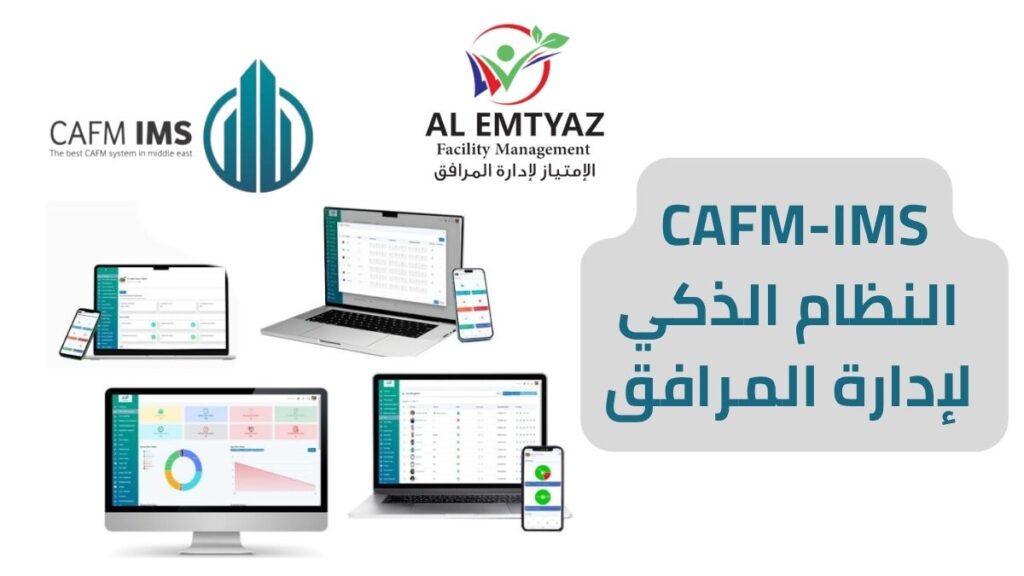
AL Emtyaz provides a digital inventory management solution accessible through web and mobile devices, allowing authorized employees to manage stock information and monitor warehouse activities from different locations.
When materials are received, their quantities and storage details are recorded in the system. As items are issued, transferred, or consumed, the corresponding stock records are updated to reflect inventory movements.
This gives warehouse managers and operational teams clear answers to important questions:
- How much inventory is currently available?
- Which materials and spare parts are running low?
- Where is each item stored?
- Which department, project, or maintenance team used the materials?
- Which products or spare parts need to be reordered?
- What is the value of the remaining inventory?
By keeping inventory information in one place, businesses can improve stock visibility, reduce administrative work, and make purchasing decisions based on actual inventory data.
Key Benefits of Inventory Management Software for Businesses
- Better stock accuracy: Maintain organized records of received, issued, and transferred inventory.
- Reduced inventory shortages: Identify low-stock items before they interrupt operations.
- Lower storage costs: Monitor excess inventory and slow-moving materials.
- Improved warehouse efficiency: Reduce manual data entry and simplify daily stock transactions.
- Greater accountability: Track inventory activities by user, department, and location.
- Smarter purchasing: Use inventory reports and consumption history to plan replenishment.
- Improved maintenance coordination: Connect spare parts usage with maintenance activities and work orders.
For businesses in Jordan and organizations managing multiple operational sites, a reliable inventory tracking system can make warehouse operations more consistent, transparent, and cost-effective.
Replace Spreadsheets and Manual Stock Records with Digital Inventory Management
Many companies still manage warehouse inventory using Excel spreadsheets, printed forms, handwritten logs, or separate files maintained by different employees.
Although these methods may work for small inventory lists, they become difficult to maintain when stock movements increase, multiple employees handle materials, or warehouses operate across different locations.
Manual inventory management can lead to outdated records, duplicated entries, inconsistent stock quantities, missing transaction details, and delays when departments request materials.
AL Emtyaz offers a digital stock management system that organizes inventory records and transactions within a unified platform.
How Digital Stock Control Improves Daily Operations
- Centralized inventory records: Store item details, quantities, locations, and transaction history in one system.
- Updated stock balances: Keep inventory information current as warehouse transactions are recorded.
- Structured material requests: Organize the process of issuing and receiving inventory.
- Digital transaction history: Review previous inventory movements without searching through paperwork.
- Controlled access: Assign system permissions based on employee responsibilities.
- Reliable reporting: Generate inventory information without manually combining multiple spreadsheets.
The result is a more organized warehouse management process that helps teams save time, improve accuracy, and respond to operational requests with greater confidence.
Real-Time Inventory Tracking and Warehouse Stock Control
Accurate stock visibility is essential for companies that depend on continuous access to materials, tools, equipment, and replacement parts.
When inventory records are inaccurate, a single missing spare part can delay maintenance work, interrupt operations, or require an urgent purchase.
Our inventory tracking software helps businesses monitor material movements and maintain a detailed digital record of warehouse activities.
Warehouse teams can use barcode and QR code identification to simplify item tracking and record transactions accurately. Each recorded movement can be associated with relevant information, such as the employee, date, department, project, or storage location.
Track Inventory Movements Across Projects, Teams, and Locations
The system supports organized inventory monitoring across different operational requirements, including:
- Materials received from suppliers.
- Items issued to employees or maintenance teams.
- Spare parts used for repairs and servicing.
- Inventory transferred between warehouses or branches.
- Materials allocated to individual projects.
- Stock records associated with specific departments or facilities.
This level of visibility helps warehouse managers understand how inventory is consumed, identify unusual movements, and improve control over materials and operational supplies.
Barcode and QR Code Inventory Tracking
Barcode and QR code technology helps simplify the identification of inventory items and reduce the effort required to locate or record individual materials.
By associating items with digital identifiers, warehouse employees can record stock movements more efficiently and access the relevant inventory information during receiving, issuing, or checking activities.
For organizations handling large numbers of spare parts or consumable materials, this approach can improve traceability and reduce errors associated with manual item identification.
Automated Stock Alerts and Inventory Replenishment Planning
Running out of essential materials can affect productivity, while maintaining excessive stock can increase storage expenses and tie up working capital.
An effective stock control software solution helps businesses maintain an appropriate balance between material availability and inventory costs.
AL Emtyaz inventory management software provides stock monitoring and alert capabilities that help teams identify materials requiring attention.
Identify Low Stock, Excess Inventory, and Reorder Requirements
- Low-stock alerts: Identify materials approaching their defined minimum inventory levels.
- Reorder monitoring: Highlight items that may require purchasing or replenishment.
- Consumption tracking: Review material usage patterns to improve purchasing plans.
- Slow-moving stock: Identify materials that remain unused for extended periods.
- Expiration monitoring: Review applicable expiry dates for materials that require time-sensitive handling.
- Inventory cost visibility: Understand the financial value of available and unused stock.
These capabilities help purchasing departments, warehouse managers, and maintenance supervisors coordinate inventory replenishment with actual operational needs.
Real-Time Inventory Reports and Stock Management Analytics
Effective inventory decisions depend on accurate and accessible information. Without clear reporting, managers may struggle to understand stock availability, material consumption, or the true cost of maintaining inventory.
The inventory management reporting system from AL Emtyaz provides updated inventory information through a centralized dashboard, reducing the need for manual data collection and repetitive reporting.
Important Inventory Reports Available to Management
- Current inventory reports: View available stock quantities for materials and spare parts.
- Low-stock reports: Identify items approaching reorder levels.
- Material consumption reports: Analyze how frequently individual materials are used.
- Warehouse movement reports: Review receiving, issuing, and transfer transactions.
- Inventory valuation reports: Monitor stock values and associated material costs.
- Slow-moving inventory reports: Identify materials occupying storage space without regular usage.
- Expiration reports: Track applicable expiry dates and identify materials requiring review.
Inventory reports can be exported and shared with the relevant departments, helping operational teams, procurement officers, and management work with consistent information.
How Inventory Analytics Support Better Business Decisions
By analyzing stock balances, usage history, and inventory costs, businesses can identify purchasing patterns, improve warehouse planning, and reduce unnecessary inventory expenses.
For example, comparing monthly spare parts consumption can help maintenance departments anticipate upcoming requirements and coordinate purchases before important materials become unavailable.
Instead of relying on assumptions, managers can use recorded inventory activity to support more informed operational and financial decisions.
Inventory Management Software with User Roles and Access Permissions
Not every employee should have the same level of access to warehouse information. A warehouse operator, maintenance technician, purchasing officer, and department manager may each require different permissions.
Our inventory management system supports configurable user roles and access permissions, helping organizations manage who can view, create, approve, or modify inventory records.
Control Inventory Access Based on Employee Responsibilities
- Authorize selected users to record incoming and outgoing materials.
- Assign responsibility for approving inventory requests.
- Control who can create, review, or export stock reports.
- Provide read-only access to supervisors or management.
- Manage permissions for different departments and warehouse locations.
- Maintain transaction records to support accountability and operational reviews.
Structured access management helps reduce unauthorized changes, improve internal controls, and establish clearer responsibility for warehouse activities.
Whether your organization operates one warehouse or several branches, user permissions help maintain a consistent and controlled inventory management process.
Spare Parts Inventory Management Integrated with Maintenance Work Orders
For facility management companies, maintenance departments, industrial facilities, and property operators, inventory management is closely connected to equipment maintenance and repair activities.
Maintenance teams need accurate information about spare parts availability before starting repair work. Missing components can delay planned maintenance, extend equipment downtime, and increase operational costs.
AL Emtyaz provides spare parts inventory management software that connects material usage with maintenance work orders, creating a more coordinated approach to warehouse and maintenance operations.
How Inventory and Maintenance Work Order Integration Works
When maintenance work requires spare parts or consumable materials, the inventory and work order processes can be connected to maintain consistent records of the materials used.
- Identify required spare parts: Associate materials with the relevant maintenance task or equipment.
- Check stock availability: Review whether the required parts are available before issuing them.
- Record material usage: Document spare parts issued and consumed during maintenance.
- Update inventory balances: Reflect recorded material transactions in warehouse stock information.
- Link costs to maintenance: Maintain records of materials used for particular work orders or projects.
- Improve traceability: Review which parts were used, when they were issued, and which task required them.
Benefits for Facility Management and Maintenance Teams
- Reduce duplicate entry between warehouse and maintenance records.
- Improve visibility into spare parts availability.
- Track materials consumed during preventive and corrective maintenance.
- Improve maintenance cost monitoring and reporting.
- Support better coordination between technicians and warehouse personnel.
- Reduce delays associated with missing or unrecorded spare parts.
This connection between maintenance management and inventory control helps businesses understand the relationship between stock consumption, equipment servicing, and operational expenditure.
For organizations responsible for buildings, infrastructure, mechanical systems, or technical equipment, integrated inventory records can contribute to more efficient maintenance planning and execution.
Bilingual Inventory Management Software in Arabic and English
A powerful inventory management platform should also be practical for the people using it every day.
AL Emtyaz offers inventory management software with an interface supporting Arabic and English, making it suitable for businesses with multilingual teams and different levels of technical experience.
A User-Friendly Inventory System for Warehouse Teams
- Clear navigation: Access inventory records, transactions, and reports through an organized interface.
- Web and mobile accessibility: Use supported devices to review inventory information and manage relevant tasks.
- Arabic and English support: Make the platform accessible to teams working in either language.
- Simple inventory workflows: Organize receiving, issuing, tracking, and reporting activities.
- Consistent user experience: Help employees follow standardized inventory management procedures.
The system is designed to reduce unnecessary complexity while giving employees the tools they need to manage inventory more efficiently.
With appropriate onboarding and user training, warehouse employees and operational managers can make better use of the platform’s inventory tracking and reporting functions.
Multi-Warehouse Inventory Management Software for Growing Businesses
Businesses often begin with a single warehouse before expanding into additional branches, projects, facilities, or storage locations.
Managing inventory across these locations requires accurate stock records, clear user permissions, and visibility into how materials move throughout the organization.
AL Emtyaz provides a flexible multi-warehouse inventory management system designed to support organizations with different operational requirements and room for future growth.
Manage Inventory Across Multiple Warehouses and Branches
- Maintain inventory records for multiple warehouse locations.
- Organize materials by category, department, or operational purpose.
- Track stock movements between storage locations.
- Assign users and permissions according to responsibilities.
- Monitor warehouse activities from a centralized management platform.
- Generate reports to support inventory planning across different sites.
By centralizing warehouse information, organizations can improve coordination between branches and reduce the difficulties associated with maintaining separate inventory files for every location.
Inventory Management Solutions for Different Industries
Our inventory management solution can be configured around the operational needs of different business sectors, including:
- Facility management: Track maintenance materials, tools, spare parts, and operational supplies.
- Construction companies: Organize project materials and monitor stock across construction sites.
- Manufacturing facilities: Manage materials, consumables, and operational inventory.
- Educational institutions: Track maintenance supplies and materials across campuses and buildings.
- Healthcare facilities: Organize applicable maintenance materials, supplies, and inventory records.
- Commercial properties: Manage building maintenance stock and replacement components.
- Industrial operations: Monitor technical spare parts, equipment supplies, and maintenance inventory.
Different organizations require different inventory categories, reporting structures, and approval workflows. A configurable system helps adapt inventory management procedures to specific operational needs.
Inventory Data Security, Quality Control, and Local Support
Inventory information can include valuable business data such as material quantities, stock values, purchasing activity, supplier records, and operational transactions.
Protecting this information and maintaining reliable inventory records are important considerations when selecting business inventory management software.
AL Emtyaz emphasizes organized digital records, configurable access controls, and operational support to help businesses manage their inventory information responsibly.
Inventory Information Security and Operational Accountability
- User access permissions: Restrict inventory functions according to employee roles.
- Digital activity records: Maintain a history of recorded inventory transactions.
- Structured data management: Reduce dependence on scattered files and disconnected records.
- Backup processes: Support the protection and recovery of stored inventory information.
- Operational visibility: Help management review inventory activities and identify discrepancies.
Organizations evaluating information security and quality management requirements should also review the software provider’s applicable policies, documentation, and any available certifications related to standards such as ISO 9001 and ISO/IEC 27001.
Local Inventory Software Support in Jordan
Choosing an inventory management system involves more than comparing software features. Businesses also need practical assistance during implementation, employee onboarding, and daily use.
AL Emtyaz Facilities Management provides local support in Jordan, helping organizations understand the system and align its inventory management capabilities with their operational procedures.
- Local communication: Work with a team familiar with the business environment in Jordan.
- User training: Help employees understand inventory workflows and system functions.
- Implementation guidance: Support the transition from manual inventory records to digital processes.
- Ongoing assistance: Provide guidance as teams adopt and use inventory management functions.
Local support, bilingual accessibility, and flexible inventory workflows make the platform relevant to organizations seeking a practical digital solution for warehouse and maintenance inventory operations.
Frequently Asked Questions About Inventory Management Software
What is the best inventory management software for a business?
The right inventory management software depends on your business size, warehouse structure, material types, reporting needs, and operational processes. Important capabilities include stock tracking, inventory reports, user permissions, alerts, and support for multiple locations. AL Emtyaz offers a configurable solution for businesses managing operational materials and spare parts.
Can inventory management software track stock across multiple warehouses?
Yes. Multi-warehouse inventory management software can organize stock records by warehouse, branch, project, or storage location. It helps businesses monitor available quantities and track material transfers across different operational sites.
Does the system support barcode and QR code inventory tracking?
Yes. The AL Emtyaz inventory management solution supports barcode and QR code-based item identification, helping warehouse employees record and track materials more efficiently. Specific scanning and device requirements can be discussed during the software demonstration.
Can inventory software be integrated with maintenance work orders?
Yes. Inventory and maintenance work order integration helps connect spare parts usage with maintenance activities. This allows organizations to document materials issued for repairs, update stock records, and improve the tracking of maintenance-related inventory costs.
Is the inventory management software available in Arabic and English?
Yes. AL Emtyaz provides an inventory management interface supporting both Arabic and English, making the system suitable for multilingual warehouse, maintenance, and management teams.
How does inventory management software help reduce warehouse costs?
Inventory management software helps organizations monitor stock consumption, identify excess materials, track low-stock items, and improve purchasing decisions. More accurate inventory records can reduce unnecessary purchases, material waste, and administrative work.
How can I request an inventory management software demo in Jordan?
Contact AL Emtyaz Facilities Management at 00962792240053 to request a product demonstration, discuss your warehouse requirements, and learn more about the available inventory management features. You can also contact our team through WhatsApp.
Get Inventory Management Software for Your Business in Jordan
Efficient warehouse operations require accurate inventory records, clear stock visibility, and reliable coordination between purchasing, warehouse personnel, maintenance teams, and management.
Inventory Management Software from AL Emtyaz brings these essential activities into a centralized digital platform designed to improve inventory tracking, warehouse organization, spare parts management, and stock reporting.
Whether you operate a single warehouse or manage inventory across multiple locations, our solution helps your organization improve stock control and support more informed operational decisions.
Why Choose AL Emtyaz Inventory Management Software?
- Centralized inventory and warehouse stock records.
- Real-time inventory visibility and material tracking.
- Barcode and QR code support.
- Low-stock alerts and replenishment monitoring.
- Detailed inventory reports and stock analytics.
- Configurable employee roles and access permissions.
- Spare parts tracking linked to maintenance work orders.
- Arabic and English user interface.
- Support for multiple warehouses and operational locations.
- Local implementation guidance and customer support in Jordan.
Request your inventory management software demonstration today. Speak with AL Emtyaz Facilities Management about your warehouse operations, material tracking requirements, and the features that best match your business.
Call 00962792240053 to discuss your requirements and explore a smarter approach to warehouse and inventory management.
You can also reach our team directly through WhatsApp: