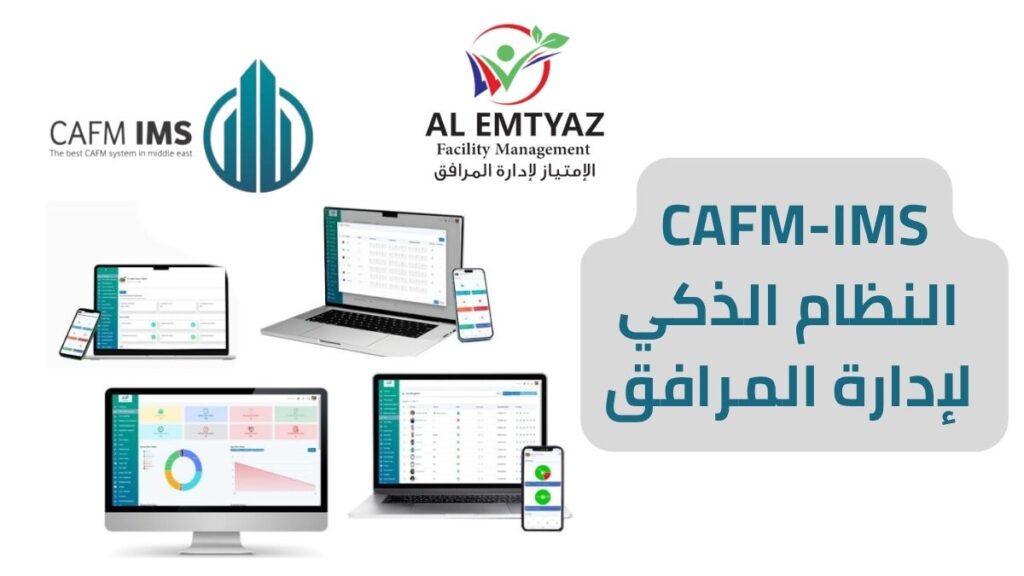
Work order management software helps facility managers and maintenance teams organize service requests, assign tasks, track technicians, and monitor work from the first reported issue to final completion. Instead of losing requests across emails, phone calls, spreadsheets, and WhatsApp messages, your organization can manage everything through one centralized digital system.
The work order management system from AL Emtyaz provides a practical solution for managing maintenance requests, technical support tickets, and facility service operations. It connects incoming requests with work orders, responsible teams, priorities, deadlines, and performance reports.
Whether you manage a hospital, school, commercial building, residential complex, factory, or multiple facilities, the software gives your team a clearer way to organize daily operations. Managers can monitor progress through a dashboard, while technicians receive assignments and update work directly from their mobile devices.
Book a free software demo today. Call 00962792240053 to discover how AL Emtyaz can help your organization improve maintenance request management, reduce manual follow-ups, and keep every work order organized.
You can also contact our team directly through WhatsApp using the button below.
What Is Work Order Management Software?
Work order management software is a digital platform designed to receive, organize, assign, track, and document maintenance and service tasks across facilities. It creates a structured process that connects reported problems with the teams responsible for resolving them.
Rather than relying on disconnected communication channels, the system stores work requests in one place. Each request can be associated with a work order containing the task description, assigned technician, service location, priority level, expected completion time, and progress updates.
The software supports the entire maintenance workflow, from receiving a request and assigning responsibilities to recording completed work and closing the task. Facility managers gain greater visibility into operations, while maintenance teams receive clearer instructions.
What Is the Difference Between a Work Request and a Work Order?
A work request is the initial report of a problem or service need. For example, an employee may report an air conditioning failure, a plumbing leak, or an electrical issue.
A work order is the documented task created to address that request. It identifies what needs to be done, who is responsible, when the work should be completed, and how progress will be recorded.
AL Emtyaz connects these two stages within one management process, helping organizations move from receiving maintenance requests to completing and documenting the required work.
User Roles and Access Permissions in Work Order Management
Organizations often operate across several departments, maintenance teams, contractors, and facility locations. Not every employee needs access to the same information or administrative functions.
The AL Emtyaz work order management system supports role-based access permissions, allowing administrators to control what each user can view, modify, approve, or manage.
Administrators can define permissions for:
- Receiving and reviewing new maintenance requests.
- Assigning work orders to technicians or maintenance teams.
- Editing request details and updating task status.
- Viewing maintenance reports and performance dashboards.
- Approving, closing, or converting requests into maintenance work orders.
For example, a reception employee may only need access to submitting service requests. A maintenance technician can view assigned tasks and update their progress, while a facility manager can monitor requests, workloads, and reports across different departments.
This permission-based approach supports clearer responsibilities, reduces unauthorized changes, and helps protect sensitive maintenance and facility information.
Integrating Work Order Management Software with SAP, Power BI, and Other Systems
Many organizations already use enterprise software to manage purchasing, financial operations, inventory, or business reporting. An effective maintenance work order management system should fit into these existing operational processes.
AL Emtyaz offers integration capabilities that can connect work order information with external business systems through suitable APIs and technical configurations.
Potential integration applications include:
- SAP and ERP systems: Connecting maintenance activities with purchasing, supplier invoices, operational expenses, and financial records.
- Microsoft Power BI: Using work order data to create interactive dashboards, monitor response times, and evaluate maintenance performance.
- Tableau: Supporting visual analysis of maintenance activities, workload distribution, and operational trends.
- Inventory management systems: Connecting maintenance tasks with spare parts consumption and stock records.
By connecting maintenance data with other operational systems, organizations can improve coordination between facility management, maintenance, finance, and procurement departments.
This also helps management analyze maintenance expenses, identify recurring issues, and make decisions using more consistent operational information.
Integration availability and implementation requirements depend on the external platform, API access, and the organization’s technical environment.
Digital Maintenance Request Management Without Paperwork
Traditional maintenance request management often relies on paper forms, spreadsheets, phone calls, and informal messages. These methods can make it difficult to identify who submitted a request, whether it was assigned, and when the work was completed.
With maintenance request management software, every incoming request can be recorded and organized through a centralized digital platform.
Each maintenance request can include:
- Request category: Electrical maintenance, plumbing, HVAC, technical support, cleaning, or general facility services.
- Requesting department: The employee, department, or facility responsible for submitting the request.
- Priority level: Emergency, high, medium, or routine priority.
- Expected completion time: The scheduled deadline or estimated time required to resolve the issue.
- Location details: The facility, building, floor, room, or area where maintenance is required.
- Supporting documentation: Photos, descriptions, notes, and relevant attachments.
Keeping this information together improves communication between departments and gives maintenance teams the details needed to respond effectively.
It also creates a digital history of requests that managers can review when investigating repeated maintenance problems or evaluating completed work.
Work Order Tracking Software: From Request Submission to Closure
Knowing that a maintenance request has been submitted is only the beginning. Facility managers also need to understand whether the request has been reviewed, assigned, started, completed, or delayed.
Work order tracking software makes these stages visible through a structured workflow that follows each task throughout its lifecycle.
Main Stages of the Work Order Lifecycle
- New Request: A maintenance issue or service request is submitted and recorded in the system.
- Under Review: The responsible person checks the request details, priority, and required action.
- Assigned: The task is allocated to a technician, contractor, or maintenance team.
- In Progress: The assigned team begins the work and updates the task status.
- Completed: The technician records the completed work, including relevant notes and photographs.
- Closed: The task is finalized and retained in the maintenance history for future reference.
Depending on the organization’s workflow, requests may also be placed on hold, postponed, rejected, or returned for additional information.
Real-Time Work Order Status Updates
Maintenance managers can use the dashboard to check open tasks, identify delayed work orders, and monitor activities that require attention.
Technicians receive task notifications with the relevant location, description, and priority. After performing the work, they can update the request and upload supporting photographs directly from their mobile devices.
This approach reduces the need for repeated phone calls and manual status checks, while giving departments a clearer record of maintenance progress.
Customizable Maintenance Work Orders for Different Facilities
Maintenance requirements vary across industries. Hospitals, schools, factories, commercial buildings, and residential complexes all have different operational priorities, service categories, and approval procedures.
AL Emtyaz provides a flexible facility maintenance work order system that allows organizations to configure maintenance request forms and operational workflows according to their requirements.
Work request forms can be organized by:
- Service type: HVAC maintenance, electrical repairs, water leaks, equipment failures, cleaning requests, or technical support.
- Responsible team: Internal maintenance staff, cleaning personnel, security teams, or external contractors.
- Priority: Emergency, urgent, standard, or low-priority service requests.
- Facility location: Building, department, floor, room, production area, or specific maintenance zone.
For example, a hospital may need separate request categories for medical facility maintenance, electrical systems, and environmental services. A commercial property may organize requests by tenant, building, floor, and maintenance department.
By classifying requests from the beginning, facility managers can direct work to the appropriate teams, improve response coordination, and maintain more accurate service records.
Work Order Reports, Maintenance KPIs, and Performance Tracking
A reliable work order management system should do more than record maintenance requests. It should also provide useful operational information that helps managers evaluate performance and identify areas for improvement.
The reporting capabilities of AL Emtyaz allow organizations to review maintenance activities, monitor task completion, and analyze workload across technicians and facilities.
Important maintenance performance indicators include:
- Average response time: How long it takes from submitting a request until work begins.
- Work order completion time: The actual time required to finish each maintenance task.
- Open and closed work orders: The number of pending, active, completed, and closed maintenance tasks.
- Technician productivity: Completed assignments and workload distribution across maintenance personnel.
- Recurring maintenance issues: Problems that repeatedly occur in specific locations or equipment.
- Overdue maintenance requests: Tasks that have exceeded their planned completion deadlines.
These reports support better maintenance planning, resource allocation, and operational accountability.
Instead of relying on assumptions, managers can review documented work order data to identify delays, compare team performance, and prioritize improvements.
Connecting Work Orders with Preventive and Corrective Maintenance
Maintenance operations generally involve both planned maintenance activities and unexpected equipment failures. Managing these tasks in separate systems can lead to duplicated records and incomplete maintenance histories.
The AL Emtyaz maintenance work order software connects service requests with maintenance activities, supporting coordination between preventive and corrective maintenance workflows.
Preventive Maintenance Work Orders
Preventive maintenance involves scheduled inspections, servicing, and routine maintenance activities intended to reduce equipment failures.
Examples include regular air conditioning inspections, electrical system checks, equipment servicing, and scheduled maintenance for building systems.
Connecting preventive maintenance plans with digital work orders helps teams manage scheduled activities, document completed tasks, and maintain organized service records.
Corrective Maintenance Work Orders
Corrective maintenance addresses problems discovered after equipment malfunctions or facility systems fail.
When a fault is reported, the maintenance request can be processed into a corrective work order. The task is assigned to the relevant technician, monitored during execution, and documented after completion.
Managing preventive and corrective maintenance within a connected workflow provides a clearer picture of daily maintenance operations and makes it easier to review previous service activities.
Mobile Work Order Management for Maintenance Technicians
Maintenance teams do not spend their entire working day behind a desk. Technicians move between equipment rooms, buildings, floors, and different facility locations.
For that reason, mobile work order management is an important part of an effective maintenance operation.
AL Emtyaz provides access to maintenance tasks through computers and mobile devices, allowing managers and technicians to follow work without relying entirely on office-based systems.
Mobile work order management capabilities include:
- Task notifications: Technicians receive information when maintenance work is assigned.
- Work order details: Staff can review the task description, service location, priority, and assigned responsibilities.
- Progress updates: Maintenance personnel can update task status as work progresses.
- Photo documentation: Technicians can attach photographs and notes to support completed maintenance records.
- Manager visibility: Supervisors can monitor activities without requiring constant manual reports from technicians.
Whether your maintenance staff are working in a single building or moving between several properties, mobile access helps keep work order information available and up to date.
Multi-Site Work Order Management for Multiple Facilities and Teams
Managing maintenance across several buildings or branches requires more coordination than handling requests in a single location. Organizations need to know which facility submitted each request, which team is responsible, and how work is progressing at every site.
The AL Emtyaz work order management software supports multi-site operations, helping facility management teams organize maintenance activities across different properties and locations.
The system supports:
- High-volume request management: Organizing large numbers of daily maintenance requests within a centralized workflow.
- Multiple buildings and branches: Managing work orders across different facilities through one platform.
- Location-based maintenance teams: Assigning technicians according to the facility, area, or type of maintenance required.
- Individual user permissions: Managing access based on employee responsibilities and administrative roles.
- Centralized reporting: Reviewing maintenance activities across multiple locations while retaining individual site records.
This makes the software suitable for organizations with multiple departments, commercial property portfolios, educational facilities, healthcare buildings, industrial locations, and government facilities requiring structured maintenance coordination.
The ability to organize different sites and maintenance teams through one system helps reduce fragmented communication and gives management a more consistent view of operations.
Data Security, Accountability, and Quality in Maintenance Management
Maintenance management systems may contain important operational information, including equipment records, service requests, employee assignments, facility locations, and maintenance history.
Protecting these records and controlling access are important considerations when selecting work order management software for an organization.
AL Emtyaz supports organized maintenance documentation and permission-based access, helping facility managers define responsibilities and control which users can access different system functions.
Key considerations for secure maintenance management include:
- Role-based permissions: Restricting access according to employee responsibilities.
- Documented work history: Keeping maintenance requests, task updates, and completion information organized.
- Operational accountability: Identifying assigned teams and tracking the progress of maintenance work.
- Consistent reporting: Supporting internal reviews and performance monitoring through structured records.
Organizations evaluating quality and information security standards may also consider ISO 9001 for quality management and ISO/IEC 27001 for information security management. Where formal certifications are required, current certificates and their applicable scope should be reviewed as part of the software procurement process.
Combining clear user permissions, organized documentation, and defined maintenance procedures helps create a more transparent and accountable facility management environment.
Benefits of Using a Work Order Management System
Replacing manual maintenance tracking with a centralized work order management system can provide significant operational benefits for facility managers, maintenance departments, and service teams.
- Better request organization: Keep maintenance reports and service requests in one central platform.
- Clear task assignments: Identify the technician or team responsible for every maintenance activity.
- Improved work order tracking: Monitor progress from submission through completion and closure.
- Less manual follow-up: Reduce the need to search through emails, spreadsheets, and scattered messages.
- More useful maintenance reports: Review response times, completed tasks, outstanding requests, and technician performance.
- Better multi-site coordination: Organize maintenance activities across multiple buildings and teams.
- Accessible maintenance records: Maintain a documented history that supports future planning and operational reviews.
By connecting incoming requests with work orders and maintenance reports, organizations gain a more structured approach to managing daily facility operations.
Frequently Asked Questions About Work Order Management Software
What is work order management software used for?
Work order management software is used to receive service requests, assign maintenance tasks, track work progress, document completed activities, and generate maintenance performance reports. It helps organizations coordinate maintenance operations through one digital platform.
Can work order software manage maintenance requests from different departments?
Yes. The AL Emtyaz system can organize maintenance and service requests submitted by different departments. Requests can be classified by service type, priority, location, and responsible maintenance team.
Can technicians use work order management software on mobile phones?
Yes. Mobile access allows technicians to receive assignments, review maintenance details, update task progress, and upload photos or notes while working on-site.
Does work order management software support preventive maintenance?
Yes. Work orders can be connected with preventive maintenance activities as well as corrective maintenance requests. This helps organizations coordinate scheduled servicing and unexpected repair tasks within a connected maintenance workflow.
Can the software manage work orders across multiple buildings?
Yes. Multi-site work order management allows organizations to organize requests by building, location, department, and maintenance team. Facility managers can follow activities across different properties through centralized reporting.
Can work order software integrate with SAP or Power BI?
Work order management systems can exchange data with ERP and reporting platforms through compatible APIs and integration configurations. AL Emtyaz can discuss the technical requirements for integrating maintenance information with SAP, Microsoft Power BI, Tableau, and other business systems.
How can I request a free demo of the AL Emtyaz software?
You can contact AL Emtyaz by calling 00962792240053 or by using the WhatsApp contact option below to request a free demonstration and discuss your facility maintenance requirements.
Get Work Order Management Software from AL Emtyaz
Every maintenance request needs a clear process. When requests are not recorded, assigned, or tracked properly, organizations can experience unnecessary delays, missed tasks, and incomplete maintenance records.
AL Emtyaz work order management software brings maintenance requests, task assignments, technician updates, work order tracking, and performance reports together within one digital platform.
Whether you manage a single building or several facilities, the system helps your maintenance teams organize their work, follow service requests, and document completed tasks more effectively.
Request your free demo today. Call 00962792240053 to explore a work order management solution for your organization and discuss your maintenance operations with AL Emtyaz.
You can also reach our team directly through WhatsApp using the button below.