Unexpected equipment failures can disrupt production, increase operating costs, and put critical business operations at risk. When maintenance teams only respond after a breakdown, even a small technical issue can turn into costly downtime.
Predictive maintenance software helps organizations move from reactive repairs to proactive, data-driven maintenance. By tracking equipment performance, maintenance history, and early warning indicators, businesses can identify potential problems and take action before they develop into major failures.
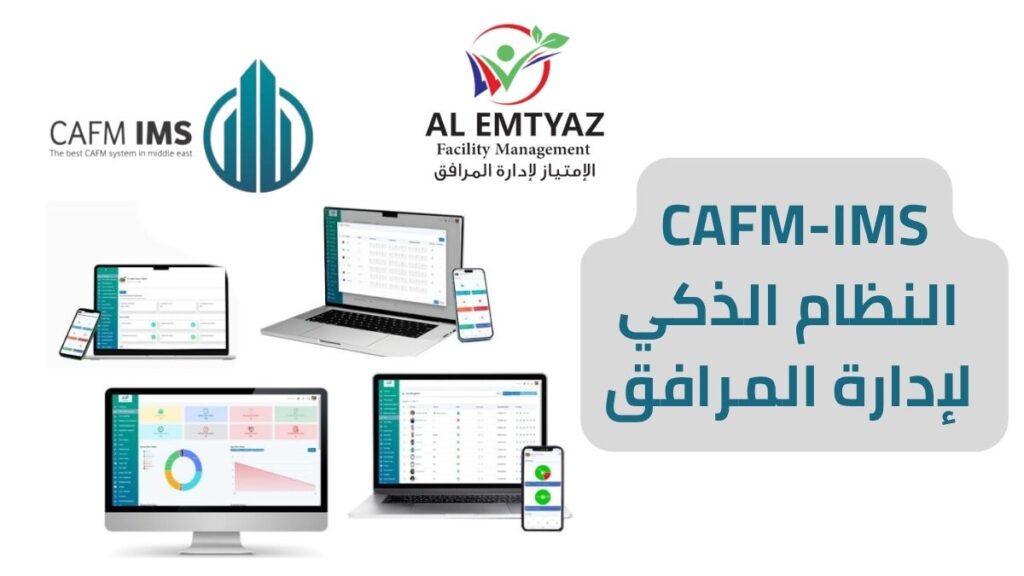
At AL Emtyaz, we provide a comprehensive predictive maintenance management system designed to improve asset reliability, simplify maintenance operations, and support informed decision-making. Our solution combines asset management, automated work orders, preventive maintenance scheduling, equipment monitoring, and maintenance analytics in one digital platform.
Whether you manage an industrial facility, hospital, commercial building, university, or facility management company, our software helps your team reduce unplanned equipment downtime, monitor maintenance activities, and improve operational efficiency.
The system supports web and mobile access, Arabic and English interfaces, real-time maintenance updates, and integration with business intelligence solutions such as SAP and Power BI.
Request a free predictive maintenance software demo from AL Emtyaz. Call 00962792240053 to discuss your facility’s maintenance requirements and discover how a centralized digital system can support more reliable operations.
You can also contact our team directly through WhatsApp:
What Is Predictive Maintenance Software?
Predictive maintenance software is a digital solution that helps organizations identify potential equipment problems using maintenance data, asset history, operational trends, and available condition indicators.
Instead of waiting for machinery or building systems to fail, maintenance managers can review risk indicators, schedule inspections, assign technicians, and prepare necessary repairs before equipment problems become more serious.
AL Emtyaz provides a digital maintenance management solution that combines predictive maintenance workflows with the essential functions of a Computerized Maintenance Management System (CMMS).
The software brings together several important maintenance functions:
- Asset management: Maintain detailed equipment records, operating information, maintenance history, and asset identification.
- Predictive maintenance: Review historical failures and available condition indicators to identify potential maintenance requirements.
- Preventive maintenance scheduling: Plan recurring inspections and maintenance activities according to operating requirements.
- Work order management: Create, assign, monitor, and close maintenance tasks digitally.
- Maintenance analytics: Evaluate equipment reliability, repair history, response times, and maintenance costs.
- Mobile maintenance management: Give technicians access to assigned tasks, equipment records, and updates through a mobile application.
Through centralized information and configurable alerts, maintenance teams gain better visibility into equipment conditions and can respond more effectively to emerging technical issues.
The result is a more organized maintenance process that supports equipment reliability, operational continuity, and better maintenance planning.
Benefits of Predictive Maintenance Software for Reducing Downtime and Costs
Unplanned equipment downtime affects more than repair expenses. It can interrupt production, delay services, increase labor costs, and reduce the overall reliability of a facility.
A well-implemented predictive maintenance system helps organizations manage these risks by improving the way maintenance information is collected, analyzed, and used.
1. Reduce Unplanned Equipment Downtime
Early identification of equipment warning signs gives maintenance teams an opportunity to investigate potential problems before they lead to unexpected shutdowns. This is especially valuable for critical production equipment, HVAC systems, pumps, and essential building infrastructure.
2. Lower Corrective Maintenance Costs
Emergency repairs often require urgent spare parts, additional labor, and unplanned operational interruptions. By improving maintenance planning, organizations can reduce their dependence on reactive maintenance and control avoidable expenses.
3. Extend Equipment Service Life
Regular inspections, maintenance history analysis, and timely technical interventions can help prevent minor equipment problems from developing into severe damage. Better maintenance decisions also support the long-term performance of valuable assets.
4. Improve Maintenance Team Productivity
Automated work orders, centralized schedules, and clear task assignments help technicians spend less time coordinating activities and more time completing essential maintenance work.
5. Make Better Data-Driven Maintenance Decisions
Maintenance managers can review asset performance, recurring faults, repair history, and operational reports to identify priorities and allocate resources more effectively.
With AL Emtyaz, predictive maintenance management becomes part of a coordinated operational strategy rather than a series of disconnected repair requests.
How Does the Predictive Maintenance Management System Work?
Our predictive maintenance management software connects asset information, maintenance scheduling, work orders, technician activities, and reporting tools within a unified digital workflow.
This integrated approach allows organizations to move from identifying equipment problems to planning and completing appropriate maintenance actions.
1. Digital Asset Registration and Tracking
Every equipment asset can be registered in the system with identification details, location, specifications, maintenance history, and operational information.
Using QR code asset tracking, technicians can quickly access relevant equipment records through their mobile devices, simplifying inspections and maintenance documentation.
2. Equipment History and Maintenance Risk Assessment
Maintenance schedules and equipment records can be connected to asset types, operating history, previous failures, and available performance information.
These records help maintenance teams recognize recurring problems and identify assets that may require closer inspection. Where suitable condition data and analytical capabilities are available, they can also support predictive maintenance assessments.
3. Automated Work Orders and Maintenance Alerts
When a configured maintenance trigger or warning condition is identified, the system can generate a maintenance work order and assign it to the appropriate technician or maintenance team.
Notifications can be delivered through the system or by email, while technicians receive their assignments through the mobile application.
4. Maintenance Task Execution and Documentation
Technicians can update work order status, record inspection findings, upload photographs, add maintenance notes, and document repairs from task creation through completion.
This creates a digital maintenance history that supports future troubleshooting, technical reviews, and operational improvements.
5. Maintenance Analytics and Performance Reporting
Recorded maintenance activities become useful operational data. Managers can review equipment failure trends, work order completion rates, maintenance response times, and corrective versus planned maintenance activities.
By combining asset management, work order automation, spare parts inventory, technician management, and maintenance reporting, the platform supports a more informed and proactive approach to maintenance operations.
Key Features of Our Predictive Maintenance Software
AL Emtyaz offers a flexible predictive maintenance software solution designed to help maintenance teams improve daily operations while giving managers better visibility into equipment reliability and operational performance.
The system includes the following maintenance management capabilities:
1. Web-Based and Mobile Maintenance Management
Access maintenance information through a web browser or mobile application. Supervisors can review maintenance requests, monitor asset records, and follow work order progress, while technicians manage their assigned tasks on the move.
2. Multilingual Interface with Arabic and English Support
The platform supports Arabic, English, and multilingual working environments, helping organizations manage maintenance activities across teams with different language requirements.
3. Paperless Maintenance Management
Manage maintenance requests, equipment records, technician assignments, inspections, and completed work orders digitally instead of relying on paper documents and disconnected spreadsheets.
4. Scalable Multi-Site Maintenance Management
Coordinate equipment, maintenance teams, and operational activities across multiple buildings, facilities, departments, or business locations within one centralized maintenance management system.
5. Customizable Forms and Maintenance Workflows
Configure maintenance forms, data fields, user permissions, and work order procedures to reflect the operational requirements of your organization.
6. Equipment Condition Reports and Risk Indicators
Review maintenance reports and equipment histories to identify recurring failures, unusual maintenance patterns, and assets requiring additional technical attention.
7. Real-Time Work Order Tracking
Monitor work order status, assigned technicians, completed activities, and outstanding maintenance tasks through centralized dashboards and mobile updates.
8. Preventive and Predictive Maintenance Integration
Bring together scheduled preventive maintenance, corrective repairs, and predictive maintenance workflows. This helps maintenance managers organize equipment inspections and technical interventions within a consistent maintenance strategy.
9. QR Code Equipment Tracking and Maintenance History
Use QR codes to identify equipment, retrieve asset records, access previous maintenance activities, and review current work orders directly from a mobile device.
10. SAP and Power BI Integration Capabilities
The system supports integration with enterprise business solutions such as SAP and Power BI, helping organizations connect maintenance information with operational reporting and business intelligence tools.
11. Service Level Agreement (SLA) Management
Define maintenance priorities, response requirements, and service expectations based on equipment criticality and operational needs. SLA tracking helps maintenance teams organize their responsibilities and evaluate service performance.
These features make the platform more than a traditional equipment maintenance program. It provides a structured digital environment for maintenance automation, asset reliability, and operational performance management.
Preventive Maintenance vs. Predictive Maintenance: What Is the Difference?
Organizations often use preventive and predictive maintenance together, but the two approaches have different purposes.
Preventive Maintenance
Preventive maintenance follows predefined schedules based on time, usage, or operating intervals. For example, a facility may schedule air conditioning inspections every three months or service production equipment after a certain number of operating hours.
Predictive Maintenance
Predictive maintenance uses available equipment condition information, historical performance, and analytical methods to identify developing faults and estimate when maintenance may be needed.
Advanced predictive maintenance programs may use sensor measurements such as vibration, temperature, or pressure when compatible monitoring infrastructure is available.
A comprehensive CMMS with predictive maintenance capabilities helps organizations coordinate both approaches by keeping asset records, maintenance schedules, work orders, and technical reports together.
Industries and Facilities That Benefit from Predictive Maintenance Software
Predictive maintenance solutions are not limited to large industrial plants. Any organization responsible for critical equipment, building systems, or operational assets can benefit from better maintenance planning and asset information.
The software provided by AL Emtyaz supports maintenance management across different business environments.
1. Manufacturing Plants and Production Facilities
Manufacturers depend on reliable production lines, motors, pumps, and industrial equipment. Predictive maintenance software helps maintenance teams review recurring equipment failures, organize inspections, and reduce avoidable production interruptions.
2. Hospitals and Healthcare Facilities
Hospitals require reliable maintenance of essential infrastructure, support equipment, HVAC systems, and other critical facility assets. Centralized maintenance records and timely notifications help technical teams manage maintenance responsibilities and support operational continuity.
3. Facility Management and Maintenance Companies
Facility management providers can use the software to manage assets across multiple client locations, organize maintenance work orders, monitor technician performance, and generate maintenance reports.
This improves transparency and helps organizations deliver more consistent facility maintenance management services.
4. Universities and Educational Institutions
Educational facilities often manage multiple buildings, HVAC installations, electrical systems, laboratories, and infrastructure assets. A centralized maintenance platform helps organize equipment inspections, recurring maintenance, and technical support activities across the campus.
5. Hotels, Shopping Malls, and Commercial Buildings
Hotels and commercial properties depend on reliable air conditioning, electrical distribution, elevators, lighting, and building services. Predictive maintenance management helps facility teams identify recurring issues and coordinate maintenance activities before service interruptions affect occupants or visitors.
From manufacturing facilities to commercial properties, equipment maintenance software provides a practical foundation for improving asset reliability and coordinating technical operations.
Integrated Modules in Our Predictive Maintenance Management System
An effective maintenance platform requires more than equipment alerts. It must connect maintenance requests, asset information, technicians, spare parts, reports, and administrative processes.
AL Emtyaz provides an integrated maintenance management solution that brings these functions together to improve coordination and operational visibility.
1. Work Order Management Module
Create, assign, prioritize, track, and complete maintenance work orders through a centralized digital system. Maintenance managers can connect tasks to specific assets, technicians, and operational locations.
2. Planned Preventive Maintenance (PPM) Module
Schedule equipment servicing and recurring maintenance based on dates, operating intervals, or equipment requirements. Planned preventive maintenance activities remain connected to asset records and maintenance history.
3. Asset Management Module
Maintain a centralized equipment register with asset specifications, locations, maintenance records, operating information, and previous work orders.
This module helps organizations improve asset tracking and equipment lifecycle management.
4. Spare Parts and Inventory Management Module
Track spare parts availability, monitor inventory quantities, and connect required materials to maintenance work orders. Better inventory visibility helps reduce delays caused by missing maintenance supplies.
5. Supplier and Vendor Management Module
Organize supplier information, purchasing records, vendor activities, and service-related documentation to support maintenance procurement and external service coordination.
6. Equipment Failure and Incident Reporting Module
Document equipment failures, incident descriptions, response times, identified causes, corrective actions, and completed repairs. These records support future maintenance analysis and recurring fault investigations.
7. Maintenance Reports and Analytics Module
Generate maintenance performance reports covering equipment failures, response times, work order completion, technician activities, and planned versus corrective maintenance.
These reports help managers evaluate maintenance performance and identify opportunities to improve equipment reliability.
8. Maintenance Team Management Module
Organize technicians into maintenance teams, assign responsibilities, monitor task progress, and coordinate work across departments or multiple facilities.
9. User Roles and Access Permissions
Configure user access according to job responsibilities, departments, and operational locations. Role-based permissions help maintain appropriate access to maintenance records and system functions.
10. Standard Operating Procedures (SOP) Management
Connect maintenance work orders with defined standard operating procedures, checklists, and technical instructions. This supports consistent maintenance execution and clear documentation across teams.
11. Data Backup and Maintenance Record Protection
Scheduled data backups help protect maintenance records and support operational continuity. Keeping important equipment and maintenance information organized also simplifies future reporting and technical reviews.
By connecting these modules, the platform creates a unified maintenance management information system that supports asset tracking, proactive maintenance, workforce coordination, and performance reporting.
Maintenance Performance Indicators and Reporting
Measuring maintenance performance is essential for understanding equipment reliability and evaluating the effectiveness of maintenance operations.
With structured maintenance records, organizations can monitor key performance indicators and use the results to improve planning and resource allocation.
- Equipment downtime: Track interruptions affecting asset availability and operational performance.
- Mean Time Between Failures (MTBF): Evaluate the average operating time between equipment failures using suitable historical records.
- Mean Time to Repair (MTTR): Analyze the average time required to restore equipment after a failure.
- Work order completion: Monitor completed, pending, and overdue maintenance activities.
- Preventive maintenance compliance: Review how consistently scheduled maintenance activities are completed.
- Maintenance costs: Evaluate labor, spare parts, and repair expenses associated with equipment maintenance.
These indicators help maintenance managers understand recurring problems, identify high-maintenance assets, and make better decisions about equipment servicing and resource allocation.
Local Support and Custom Predictive Maintenance Software Implementation
Implementing predictive maintenance software requires more than installing a digital platform. Organizations need a system configured around their assets, workflows, maintenance teams, and operational priorities.
At AL Emtyaz, we support organizations throughout the maintenance software implementation process, from reviewing existing requirements to configuring maintenance modules and training employees.
1. Maintenance Requirements Assessment
We review your facility’s maintenance processes, equipment records, technical team structure, reporting requirements, and operational challenges to identify suitable system configurations.
2. Customized System Configuration
Our team configures relevant maintenance workflows, asset records, work order forms, user permissions, and scheduling procedures according to your organization’s operational requirements.
3. Practical Training for Maintenance Teams
We provide practical system training for technicians, maintenance supervisors, facility managers, and administrative employees to support effective day-to-day use of the platform.
4. Ongoing Technical Support
Our technical support services assist with system operation, configuration adjustments, reporting requirements, and maintenance workflow improvements. The service includes technical assistance available around the clock.
With local implementation support and configurable maintenance workflows, AL Emtyaz helps organizations make the transition toward more organized, reliable, and data-driven maintenance management.
Frequently Asked Questions About Predictive Maintenance Software
What is predictive maintenance software used for?
Predictive maintenance software helps organizations analyze maintenance information, recognize potential equipment problems, and plan technical interventions before failures cause major operational disruptions. It supports proactive maintenance decisions and improved asset reliability.
Can predictive maintenance software reduce equipment downtime?
Yes. By improving early fault identification, maintenance planning, and equipment monitoring, predictive maintenance software can help reduce avoidable downtime. Actual results depend on equipment condition, data quality, and maintenance implementation.
What is the difference between CMMS and predictive maintenance software?
A CMMS (Computerized Maintenance Management System) manages work orders, asset records, maintenance schedules, and related activities. Predictive maintenance software focuses on using equipment information and analytical methods to identify potential failures. An integrated platform can support both maintenance management and predictive workflows.
Is predictive maintenance software suitable for small and large facilities?
Yes. Organizations of different sizes can benefit from centralized asset records, maintenance scheduling, work order tracking, and performance reporting. System configuration should reflect the number of assets, operational complexity, and maintenance requirements.
Can technicians use the maintenance management system on mobile devices?
Yes. The AL Emtyaz maintenance management solution supports mobile access, allowing technicians to receive assigned tasks, review equipment information, update work orders, and document maintenance activities.
Does the system support preventive and predictive maintenance?
Yes. The platform supports preventive maintenance schedules alongside predictive maintenance workflows. This allows organizations to manage planned servicing, maintenance alerts, corrective repairs, and equipment records within one system.
Can predictive maintenance software integrate with SAP and Power BI?
AL Emtyaz offers integration capabilities involving business systems such as SAP and Power BI. The integration requirements and available functionality can be reviewed according to the organization’s existing systems and project scope.
Request a Free Predictive Maintenance Software Demo
Reliable maintenance starts with better equipment information, clear workflows, and timely decisions. A centralized predictive maintenance management system helps organizations move beyond reactive repairs and build a more proactive approach to asset management.
With AL Emtyaz, you can bring together equipment records, maintenance schedules, automated work orders, technical teams, inventory management, and performance reporting within one integrated digital platform.
Whether you need to reduce equipment downtime, improve maintenance efficiency, or implement digital maintenance management, our team can help you evaluate a solution suited to your facility’s operational needs.
Contact AL Emtyaz today to request a free predictive maintenance software demonstration. Call 00962792240053 and discover how our maintenance management solution can support more efficient, reliable, and proactive facility operations.
You can also reach our team through WhatsApp to discuss your requirements and request more information: