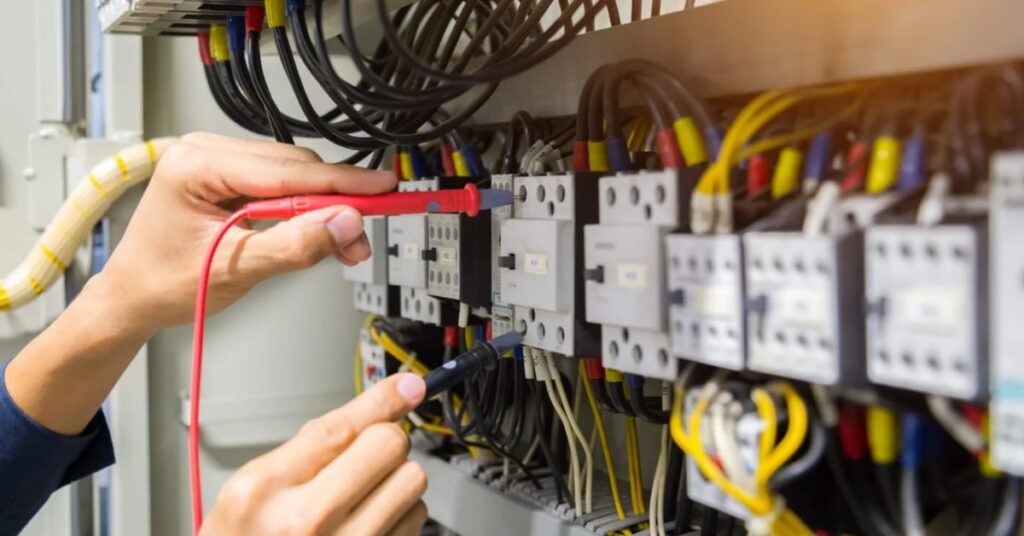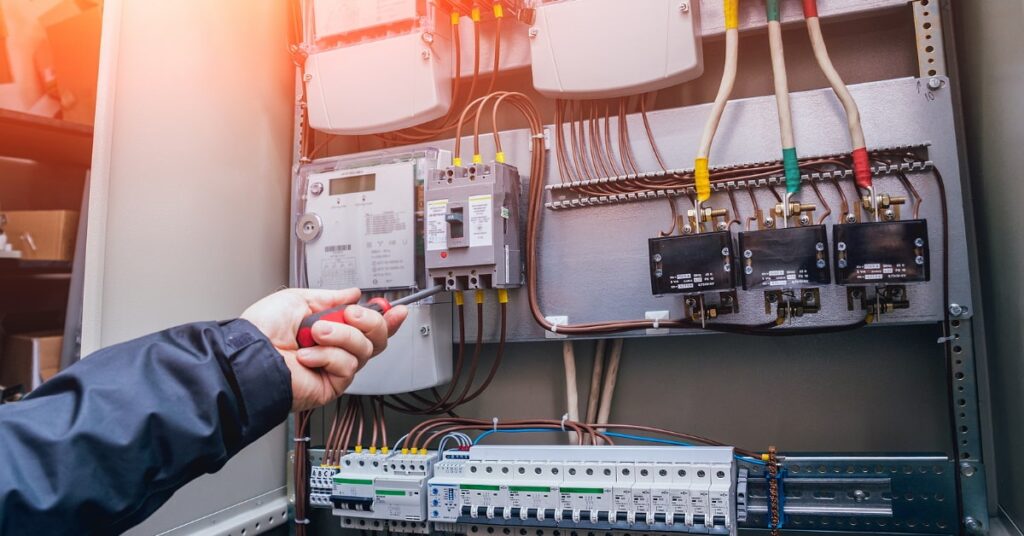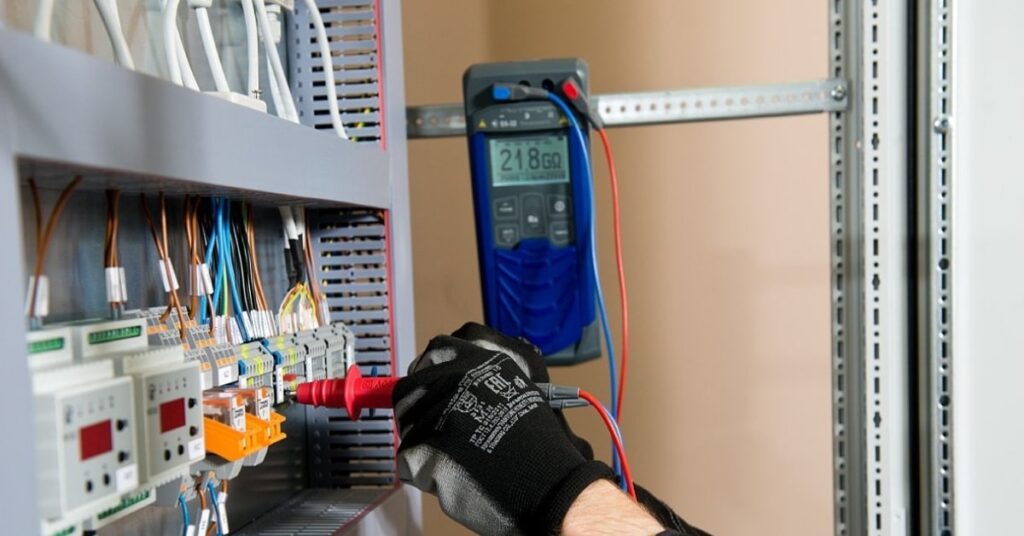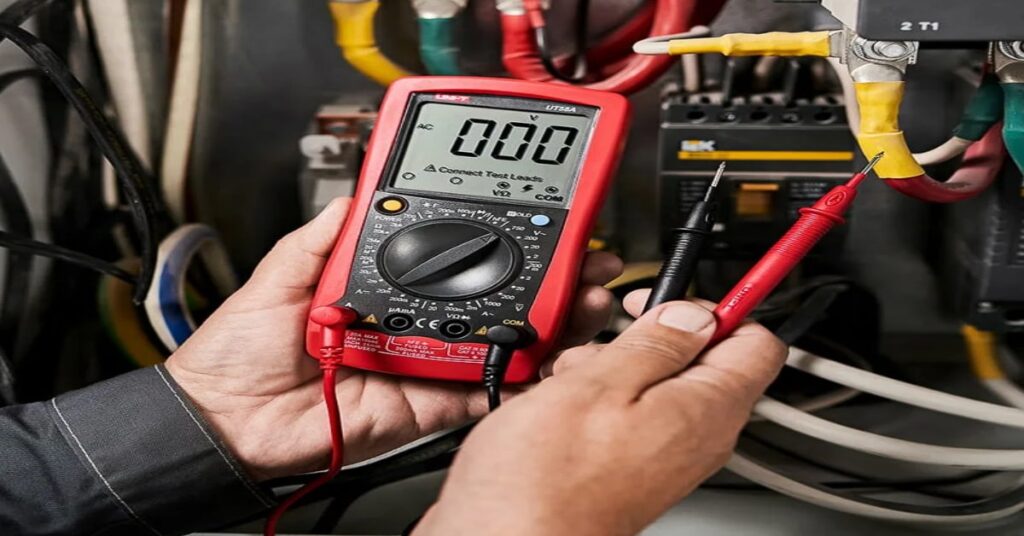
Home electrical short circuit detection and repair in Jordan is an important service for homeowners experiencing electrical sparks, burning smells, repeatedly tripping circuit breakers, damaged wiring, or unexpected electrical failures. A short circuit can cause excessive electrical current and may lead to equipment damage, overheating, electric shock hazards, or fire if the underlying fault is not addressed.
AL Emtyaz provides professional electrical short circuit inspection, fault diagnosis, and repair services in Amman and Jordan. Our electrical team examines wiring, electrical outlets, switches, distribution panels, and connected equipment to identify potential short circuits and other hazardous electrical conditions.
These specialized short circuit detection services are part of our comprehensive Electrical Repair Services in Amman, which cover electrical troubleshooting, residential wiring repairs, electrical safety inspections, and maintenance services for homes and buildings across Jordan.
Our approach focuses on identifying the actual cause of an electrical fault before carrying out repairs. Whether the issue involves deteriorated cable insulation, faulty connections, overloaded circuits, or damaged appliances, a proper diagnosis helps determine the most suitable corrective action.
Request home electrical short circuit detection in Jordan. Contact AL Emtyaz on 0798495491 to describe the problem, discuss inspection requirements, and arrange an appropriate electrical repair service.
You can also contact our team directly through WhatsApp:
Professional Electrical Short Circuit Detection Services in Jordan
An electrical short circuit occurs when electricity follows an unintended low-resistance path between conductors at different electrical potentials. This condition can produce a high fault current, potentially causing a circuit breaker or fuse to disconnect the affected circuit.
Short circuits can develop because of damaged cable insulation, faulty wiring connections, deteriorated electrical components, moisture, or defects in connected equipment.
Not every electrical failure is a short circuit. Repeated breaker trips, flickering lights, or unusual electrical sounds may also result from overloaded circuits, loose connections, ground faults, or other electrical problems.
AL Emtyaz provides home electrical fault inspection and short circuit troubleshooting to determine the likely cause and recommend suitable repairs.
Our services can include:
- Electrical wiring inspection: Evaluating accessible cables and connections for damage or deterioration.
- Short circuit fault diagnosis: Investigating suspected short circuits in suitable household electrical circuits.
- Electrical outlet inspection: Checking damaged sockets, overheating, and suspected connection faults.
- Circuit breaker inspection: Investigating breakers that repeatedly trip or fail to operate properly.
- Electrical insulation testing: Assessing insulation condition when appropriate for the installation.
- Electrical safety assessment: Identifying conditions that may present shock, overheating, or fire risks.
- Short circuit repair: Repairing or replacing defective wiring and components after identifying the fault.
The inspection and repair scope depends on the condition of the electrical system and the symptoms reported. Qualified personnel should perform electrical testing using suitable equipment and safe working procedures.
Electrical Wiring Inspection and Short Circuit Testing
Electrical wiring inspection is one of the most important steps in investigating suspected short circuits in residential properties.
Electrical cables can deteriorate because of age, excessive heat, mechanical damage, moisture exposure, or unsuitable installation conditions. Damaged insulation may allow unintended contact between conductors, creating a potential short circuit or other electrical fault.
AL Emtyaz inspects relevant electrical wiring and associated components to identify potential defects and determine whether further testing or repair is necessary.
Checking Damaged and Deteriorated Electrical Wires
The inspection begins by reviewing accessible electrical wiring for visible deterioration, exposed conductors, damaged cable insulation, loose connections, and signs of overheating.
Where hidden wiring is suspected of causing the problem, further diagnostic testing or additional access may be required to determine the condition of the affected circuit.
Inspecting Electrical Connections and Outlets
Loose electrical terminals, damaged outlets, and unsuitable wiring connections can cause overheating, intermittent power interruptions, and electrical arcing.
Our electrical team evaluates the relevant connections and determines whether defective components need to be repaired or replaced.
Electrical Insulation and Circuit Testing
Where appropriate, electrical insulation resistance testing and other circuit measurements can help identify insulation deterioration or suspected wiring faults.
Testing must be performed under suitable electrical isolation procedures, with sensitive equipment protected or disconnected where required.
Electrical Load Assessment
Electrical overloads and short circuits are different conditions, but both can cause protective devices to disconnect. An electrical load assessment may help determine whether excessive appliance demand is contributing to repeated circuit interruptions.
Our team can review the electrical loads affecting a circuit and recommend suitable corrective measures based on its wiring capacity and protective equipment.
How to Identify an Electrical Short Circuit at Home
Recognizing the warning signs of an electrical problem can help homeowners seek assistance before the situation becomes more dangerous.
However, identifying a short circuit at home is not always possible through visible symptoms alone. Several electrical faults produce similar warning signs, and confirming the actual problem may require professional testing.
Circuit Breakers That Trip Repeatedly
A circuit breaker that disconnects immediately or repeatedly may indicate a short circuit, overload, ground fault, or defective electrical equipment.
If the breaker trips again after being reset, avoid repeatedly attempting to restore the supply. The affected circuit should be inspected to determine the cause.
Electrical Sparks or Crackling Sounds
Sparks, crackling, or sizzling noises near an outlet, switch, appliance, or distribution panel may indicate electrical arcing or another dangerous connection fault.
Such symptoms require prompt attention, particularly when accompanied by a burning smell or signs of overheating.
Burning Smells From Outlets or Wiring
A smell resembling burning plastic or overheated insulation may indicate excessive heat caused by a defective electrical connection, overloaded circuit, damaged component, or another electrical problem.
Stop using the affected equipment and arrange a qualified electrical inspection. If smoke or fire is present, leave the affected area and contact emergency services.
Flickering or Dimming Lights
Flickering lights can be associated with loose connections, voltage irregularities, faulty switches, or excessive loads. They do not necessarily indicate a short circuit.
Persistent flickering across multiple rooms should be investigated, especially when accompanied by unusual sounds, heating, or repeated electrical interruptions.
Electrical Outlets or Appliances Becoming Unusually Hot
Excessive heat at an electrical outlet, plug, cable, or appliance can indicate an overloaded connection, damaged contacts, or another electrical fault.
Do not continue using an outlet or appliance showing signs of overheating. Avoid touching exposed or visibly damaged electrical components.
Unexpected Electrical Equipment Failures
Appliances that repeatedly stop working or cause electrical protection devices to disconnect may have an internal defect or be connected to a problematic circuit.
Professional troubleshooting can help determine whether the problem originates in the appliance, the socket, or the building’s electrical wiring.
Common Causes of Electrical Short Circuits in Homes
Understanding the causes of electrical short circuits in the house can help homeowners recognize possible hazards and understand why professional inspection is important.
The actual cause varies according to the condition of the installation, connected equipment, and environmental factors.
1. Damaged or Deteriorated Electrical Wiring
Damaged cable insulation is a common cause of electrical short circuits. When the insulation separating conductors deteriorates or becomes damaged, unintended electrical contact may occur.
Possible contributing factors include aging, mechanical stress, moisture, excessive heat, and previous installation damage.
Electrical wiring that shows signs of damage should be assessed by qualified personnel, with replacement or repair determined according to its condition.
2. Incorrect or Loose Electrical Connections
Improperly installed wiring, loose terminals, and unsuitable connections can create unsafe electrical conditions.
Loose connections are particularly associated with electrical arcing and overheating, while incorrect connections may also cause short circuits in certain circumstances.
Professional inspection helps identify defective connections and determine whether they require correction or replacement.
3. Faulty or Damaged Electrical Appliances
Electrical appliances with damaged internal wiring, deteriorated power cables, or defective components can develop short circuits or other electrical faults.
Warning signs may include burning smells, unusual sounds, repeated circuit breaker trips, or visible damage to an appliance’s cable or plug.
Defective appliances should be disconnected only when it is safe to do so and should not be reused until appropriately inspected or repaired.
4. Overloaded Electrical Sockets and Circuits
Connecting too many high-power appliances to one electrical circuit can cause excessive current demand and overheating.
Although an overload is not the same as a short circuit, prolonged overheating and damaged insulation can contribute to electrical hazards and potential insulation failure.
High-power appliances should be connected to appropriate circuits designed for their electrical requirements rather than relying on overloaded extension leads or power strips.
5. Moisture and Water Exposure
Water entering electrical outlets, junction boxes, appliances, or damaged cable insulation can create hazardous electrical conditions.
Moisture can contribute to corrosion, current leakage, insulation deterioration, and short circuits under certain circumstances.
Electrical equipment exposed to water should be evaluated before being returned to service.
6. Electrical Supply Fluctuations and Damaged Equipment
Voltage fluctuations and electrical surges do not automatically create short circuits, but abnormal supply conditions may damage susceptible equipment or contribute to deterioration.
Where electrical supply problems are suspected, professional measurements can help determine whether the issue relates to the building’s installation or the external electricity network.
What Should You Do if an Electrical Short Circuit Occurs?
An electrical short circuit or another serious electrical fault requires a careful response. The priority is personal safety, not attempting to restore the electricity as quickly as possible.
1. Stop Using the Affected Equipment
If an outlet or appliance produces sparks, unusual sounds, smoke, or burning smells, stop using it immediately. Do not touch exposed conductors, damaged sockets, or overheated components.
2. Disconnect the Electricity Only if It Is Safe
If the electrical isolation switch or main breaker can be reached safely without approaching damaged equipment, water, sparks, or smoke, disconnecting the supply may reduce further danger.
Do not approach an unsafe electrical panel or attempt to remove panel covers. If you cannot safely isolate the electricity, keep away from the affected area.
3. Keep Everyone Away From the Hazard
Keep children and other household members away from the affected area. If there is smoke, fire, or an immediate danger, evacuate and contact emergency services.
Do not use water on electrical equipment that may still be energized.
4. Respond Safely to an Electric Shock
If someone receives an electric shock and may still be in contact with an energized source, do not touch the person. Contact emergency services and disconnect the power only if it can be done safely.
Once the electrical source has been safely isolated, follow emergency medical guidance. A person who has received an electric shock may need medical assessment even if there is no obvious injury.
5. Arrange a Professional Electrical Inspection
Do not return the affected circuit or equipment to service until the electrical problem has been assessed and the necessary repairs completed.
AL Emtyaz provides electrical short circuit inspection and maintenance services in Jordan to investigate the reported fault and recommend an appropriate repair.
How AL Emtyaz Detects and Repairs Electrical Short Circuits
Effective short circuit detection and repair requires identifying the fault rather than replacing electrical components at random.
Our inspection process is based on the reported symptoms, affected electrical circuits, and condition of the relevant equipment.
Step 1: Understanding the Reported Electrical Problem
We begin by reviewing when the problem occurred, which circuits or rooms are affected, and whether any appliances were operating when the fault appeared.
Information about repeated breaker trips, burning smells, sparks, or previous electrical repairs can help guide the inspection.
Step 2: Inspecting Wiring, Outlets, and Distribution Panels
Relevant electrical components are visually assessed for signs of deterioration, overheating, damaged insulation, loose connections, and other potential defects.
The extent of the inspection depends on the condition of the installation and safe access to the affected equipment.
Step 3: Performing Appropriate Electrical Fault Tests
Qualified personnel may use suitable electrical measuring and testing equipment to investigate the suspected fault.
Depending on the circumstances, testing may include circuit continuity checks, insulation resistance measurements, and examination of relevant protective devices. Testing procedures are selected according to the equipment and electrical safety requirements.
Step 4: Identifying the Root Cause
The inspection findings help determine whether the problem involves a short circuit, ground fault, overloaded circuit, electrical arcing, damaged appliance, or another fault.
Understanding the actual cause is necessary before selecting appropriate repair work.
Step 5: Repairing or Replacing Damaged Components
Once the fault has been identified, the required repair may include correcting defective connections, replacing damaged wiring, installing suitable electrical components, or addressing other identified defects.
Electrical protective devices must remain correctly rated for the relevant wiring and circuit design. Installing an oversized circuit breaker or bypassing a protective device is not an acceptable solution to repeated electrical faults.
Step 6: Checking the Repaired Electrical Circuit
After the agreed repair is completed, suitable checks are performed to assess whether the affected circuit or component is operating as intended.
Additional maintenance recommendations may be provided where the inspection identifies other relevant electrical safety concerns.
How to Prevent Electrical Short Circuits at Home
While no electrical installation can be guaranteed free from future faults, appropriate maintenance and safe use of electrical equipment can reduce many avoidable risks.
AL Emtyaz recommends the following home electrical safety precautions to help homeowners identify and address potentially dangerous conditions.
Schedule Periodic Electrical Inspections
Regular electrical inspections can help identify damaged wiring, deteriorated connections, overloaded circuits, and other installation problems.
Inspection needs depend on the building’s age, electrical usage, condition, previous modifications, and any warning signs observed.
Use Suitable Electrical Appliances and Equipment
Choose electrical appliances and accessories suitable for the intended supply and operating conditions. Avoid using damaged power cables, cracked plugs, or equipment with visible signs of deterioration.
Appliances that repeatedly cause circuit breakers to trip should be assessed rather than continually reconnected.
Avoid Overloading Electrical Circuits
Connecting several high-power appliances through one socket or extension lead can exceed the capacity of the wiring and connectors.
Use suitable electrical circuits for appliances with high power requirements and avoid relying on extension leads as a permanent substitute for properly installed outlets.
Maintain Safe Wiring and Electrical Connections
Electrical wiring should be protected from physical damage, excessive heat, moisture, and unsuitable environmental conditions.
Damaged wiring, loose outlets, and faulty connections should be inspected and repaired by qualified personnel.
Use Appropriate Electrical Protection Devices
Correctly selected circuit breakers and fuses help protect circuits against specified overcurrent conditions, including overloads and short circuits.
Residual current devices (RCDs) provide additional protection against certain earth leakage faults and electric shock hazards. Ground fault circuit interrupters (GFCIs) serve a similar protective purpose in installations that use that terminology.
Where required or appropriate, arc fault protection devices may also help address certain dangerous electrical arcing conditions.
The protective devices needed depend on the installation design, applicable requirements, and electrical safety assessment. No single device protects against every electrical fault.
Educate Household Members About Electrical Safety
Household members should understand the warning signs of electrical hazards and know when to stop using equipment and request qualified assistance.
Children should be kept away from exposed wiring, damaged outlets, and electrical equipment that is not intended for their use.
Why Choose AL Emtyaz for Electrical Short Circuit Repair in Jordan?
When searching for an electrician for short circuit repair in Amman, it is important to choose a service that investigates the actual electrical fault and recommends appropriate corrective action.
AL Emtyaz provides residential electrical inspection and maintenance services focused on identifying wiring problems and other faults affecting electrical safety.
- Electrical fault diagnosis: Inspection focused on identifying the cause of the reported electrical problem.
- Experienced electrical personnel: Technical support for diagnosing wiring, connection, and circuit faults.
- Suitable testing methods: Diagnostic procedures and instruments selected according to the suspected fault.
- Short circuit repair services: Corrective maintenance for defective wiring and suitable electrical components.
- Electrical safety considerations: Attention to circuit protection, insulation condition, and relevant installation requirements.
- Residential service: Inspection and maintenance support for homes, apartments, villas, and other suitable properties.
- Service in Amman and Jordan: Contact our team to discuss availability and scheduling for your location.
Our objective is to help homeowners understand the electrical fault, identify necessary repairs, and reduce the risk of repeated problems through appropriate maintenance.
Electrical Short Circuit Detection and Repair Prices in Jordan
The cost of electrical short circuit repair in Jordan depends on the location of the fault, inspection requirements, accessibility of the wiring, damaged components, and extent of the necessary repair.
For example, replacing a damaged accessible outlet may require a different scope of work from tracing a hidden wiring fault affecting multiple electrical circuits.
When requesting a quotation, it is useful to provide information about:
- The type of electrical problem or warning signs.
- Whether the problem affects one room or several areas.
- Any circuit breakers that repeatedly disconnect.
- Visible damage, burning smells, or unusual sounds.
- The property’s location in Amman or elsewhere in Jordan.
Contact AL Emtyaz on 0798495491 to discuss your electrical problem and request information about inspection and repair pricing.
Frequently Asked Questions About Electrical Short Circuits in Homes
What causes an electrical short circuit in a house?
Common causes include damaged wire insulation, incorrect electrical connections, faulty appliances, moisture intrusion, and defects that allow unintended contact between electrical conductors.
How can I tell if my house has a short circuit?
Possible warning signs include circuit breakers tripping, sparks, burning smells, damaged wiring, and sudden electrical failures. However, these symptoms can also indicate overloads, ground faults, or other problems. Professional electrical testing may be required to confirm the cause.
What should I do if an electrical outlet sparks?
Stop using the outlet and keep away from damaged components. If it is safe, isolate the affected circuit. If there is smoke, fire, or immediate danger, leave the area and contact emergency services. Arrange a qualified electrical inspection before using the outlet again.
Can a short circuit cause a house fire?
Yes. A short circuit can produce excessive fault current and may cause overheating or ignition if the electrical installation or protective devices fail to manage the fault appropriately. Faulty connections and electrical arcing can also create fire hazards.
Why does my circuit breaker trip immediately?
An immediate breaker trip may indicate a short circuit or another significant electrical fault. Other possible causes include defective appliances, grounding problems, or a malfunctioning protective device. The circuit should be inspected before continued use.
Can flickering lights indicate a short circuit?
Flickering lights can indicate a wiring or electrical supply problem, but they are not specific evidence of a short circuit. Loose connections, voltage fluctuations, overloaded circuits, and defective fixtures are other possible causes.
What is the difference between a short circuit and an electrical overload?
A short circuit involves an unintended electrical current path, often producing very high fault current. An overload occurs when equipment draws more current than a circuit is designed to carry. Both conditions may cause protective devices to disconnect, but they require different diagnostic considerations.
Can a damaged appliance cause a short circuit?
Yes. Faults involving an appliance’s internal wiring, insulation, power cable, or electrical components can cause a short circuit or another electrical fault. The defective appliance should be assessed before being used again.
Can an electrician detect a short circuit inside a wall?
Qualified electricians can use appropriate circuit testing and diagnostic methods to investigate suspected hidden wiring faults. However, the inspection may require additional access if the fault cannot be located through accessible test points.
Does electrical leakage protection prevent short circuits?
Residual current devices are designed to detect certain leakage current conditions, while appropriate circuit breakers and fuses provide protection against specified overcurrent faults. The complete electrical protection arrangement must be correctly designed because no single protective device addresses every possible fault.
How much does electrical short circuit repair cost in Amman?
The price depends on the type of fault, testing requirements, condition of the wiring, required replacement components, and extent of the repair. Contact AL Emtyaz to describe the problem and request a quotation.
Do you provide short circuit detection and repair in Jordan?
Yes. AL Emtyaz provides residential electrical inspection, short circuit diagnosis, and related maintenance services in Amman and other serviceable areas of Jordan. Contact our team to confirm availability for your property.
Contact AL Emtyaz for Home Electrical Short Circuit Detection and Repair
Electrical short circuits and other wiring faults should be investigated by qualified personnel. Ignoring repeated electrical disconnections, sparking outlets, burning smells, or deteriorated wiring may allow dangerous conditions to continue.
AL Emtyaz provides home electrical short circuit detection and repair services in Jordan, helping homeowners identify suspected electrical faults and arrange suitable maintenance.
Whether you need wiring inspection, circuit breaker troubleshooting, electrical outlet repair, or an assessment of a suspected short circuit, our team can discuss the problem and the appropriate service requirements.
Call AL Emtyaz: 0798495491
You can also contact us directly through WhatsApp using the button below: