A circuit breaker that keeps tripping can indicate an electrical overload, short circuit, faulty wiring, earth leakage, or a problem inside the electrical distribution panel. Frequent breaker trips, overheating, burning smells, and visible damage should never be ignored, as they may indicate serious electrical safety risks.
At AL Emtyaz, we provide professional circuit breaker inspection, fault diagnosis, and electrical breaker repair services in Amman and across Jordan. Our technical team investigates the causes of recurring breaker trips, overheating, damaged electrical connections, and faulty circuit protection systems in residential and commercial buildings.
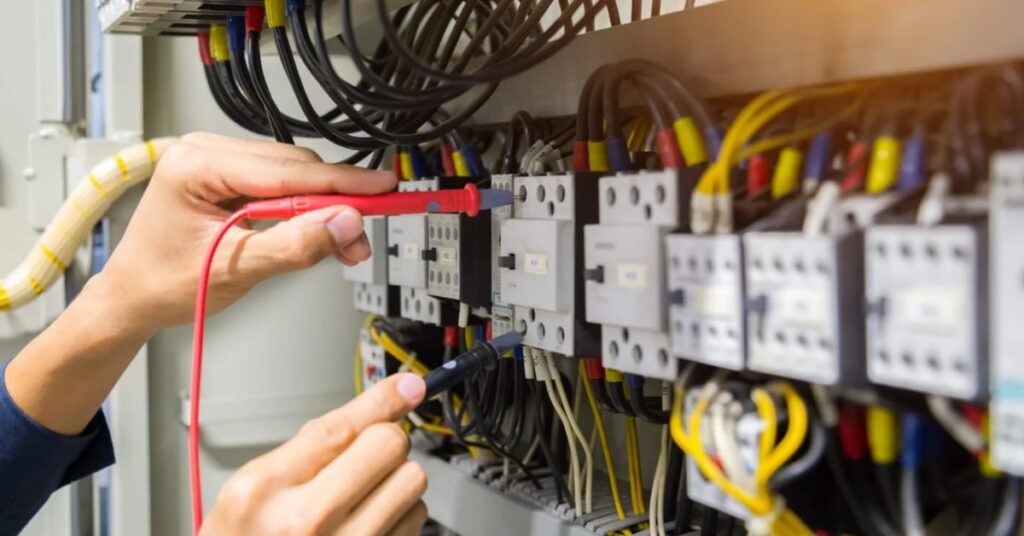
Using professional electrical testing equipment and systematic inspection procedures, we assess the condition of circuit breakers, wiring, connected loads, and electrical panels to identify faults and recommend appropriate repairs. We also provide a wider range of Electrical Repair Services in Amman, including electrical maintenance, wiring inspections, and troubleshooting electrical faults.
Whether your circuit breaker trips immediately, keeps shutting off, becomes unusually hot, or shows signs of burning, AL Emtyaz can help identify the underlying problem and recommend a suitable solution.
Request a professional circuit breaker inspection in Jordan. Contact us at 0798495491 to arrange electrical fault diagnosis or request more information about our inspection and repair services.
You can also contact our electrical maintenance team through WhatsApp:
10 Common Reasons Why a Circuit Breaker Keeps Tripping
Circuit breakers are essential electrical safety devices designed to interrupt current when specific fault conditions occur. They help protect electrical circuits from excessive current caused by overloads and short circuits.
However, frequent circuit breaker tripping may indicate an existing electrical fault, unsuitable circuit protection, or a problem with the connected equipment.
At AL Emtyaz, we inspect electrical panels and protection devices to identify the reasons behind repeated power interruptions. Below are ten common factors that may cause circuit breakers or related protective devices to trip.
1. Electrical Circuit Overloading
Electrical overload is one of the most common reasons a circuit breaker keeps tripping. It occurs when the connected electrical equipment draws more current than the circuit is designed to carry safely.
In homes, this may happen when several high-power appliances operate simultaneously on the same circuit, including air conditioners, electric heaters, washing machines, and other electrical equipment.
As the current exceeds the circuit’s permitted capacity, the protective breaker may trip to reduce the risk of overheating and damage to the wiring.
Common signs of an overloaded circuit include:
- The breaker trips when several appliances are running simultaneously.
- Power interruptions occur during periods of high electrical consumption.
- The breaker trips after operating under load for some time.
- Electrical circuits cannot reliably support their connected equipment.
AL Emtyaz provides electrical load assessment and circuit breaker troubleshooting to identify overloaded circuits. Depending on the inspection results, solutions may include redistributing electrical loads, installing additional circuits, or correcting unsuitable protection equipment.
Important: A higher-rated circuit breaker must never be installed simply to stop repeated tripping. Any change to the breaker rating must be supported by a professional assessment of the cable capacity, circuit design, and applicable electrical safety requirements.
2. Short Circuits in Electrical Wiring
A short circuit is a serious electrical fault that occurs when electrical conductors unintentionally make contact or create an unintended low-resistance current path.
This can cause a sudden increase in electrical current, prompting the circuit breaker to disconnect power rapidly.
Common causes of electrical short circuits include damaged cable insulation, loose conductors, defective electrical equipment, incorrect wiring connections, and deteriorated electrical components.
Warning signs may include:
- A circuit breaker that trips immediately when switched on.
- Unexpected electrical power interruptions.
- Burning smells coming from outlets or electrical panels.
- Visible damage to plugs, wiring, or electrical equipment.
Our electrical technicians use appropriate diagnostic procedures to locate suspected short circuits and determine whether the fault originates in the wiring, connected appliances, or electrical distribution system.
Because short circuits can present a fire and electric shock risk, the affected circuit should not be repeatedly re-energized before the fault has been investigated.
3. Damaged or Deteriorated Electrical Wiring
Damaged electrical wiring can cause recurring circuit breaker trips, insulation faults, and potentially hazardous electrical conditions.
Over time, wiring systems may deteriorate because of heat exposure, moisture, physical damage, poor installation practices, or aging insulation materials.
When the protective insulation surrounding electrical conductors becomes damaged, electrical faults may develop between conductors or between live conductors and grounded components.
Possible signs of wiring deterioration include:
- Cracked, damaged, or discolored cable insulation.
- Unusual heating near accessible electrical connections.
- Burning smells from electrical fixtures or distribution panels.
- Repeated tripping of circuit breakers or residual-current devices.
- Electrical faults that appear when particular circuits are used.
AL Emtyaz provides electrical wiring inspection and fault diagnosis in Jordan to assess cable condition, identify defective connections, and recommend the replacement or repair of damaged wiring.
Where necessary, our team can also evaluate existing electrical installations and recommend improvements to their safety and suitability for the connected loads.
4. Faulty Electrical Appliances and Equipment
A circuit breaker may trip because of a fault inside an electrical appliance rather than a problem with the building’s wiring.
Internal short circuits, insulation deterioration, motor faults, and other equipment failures can create abnormal electrical conditions that activate protective devices.
Common household equipment that may be involved includes:
- Washing machines and tumble dryers.
- Refrigerators and freezers.
- Air conditioning units.
- Electric heaters and water heaters.
- Other high-power electrical appliances.
When a breaker repeatedly trips during the operation of a particular appliance, the appliance and its electrical supply should be inspected by a qualified professional.
Our electrical maintenance team can assess the affected circuit and help determine whether the problem is related to the connected equipment, the electrical installation, or the circuit protection system.
5. Aging Electrical Appliances and Internal Component Failure
Older electrical appliances are not necessarily unsafe simply because of their age. However, worn electrical components and deteriorating insulation can increase the likelihood of faults that cause circuit breakers to trip.
For example, electric motors in air conditioning units, refrigerators, pumps, or other equipment may develop faults over time. Damaged internal wiring, defective components, or abnormal motor operation can result in excessive current or earth leakage.
Possible indicators include irregular equipment operation, unusual noise, overheating, and power interruptions associated with a particular appliance.
AL Emtyaz can help assess the electrical condition of connected equipment and recommend whether additional testing, maintenance, repair, or replacement is appropriate.
6. Incorrect Electrical Wiring or Circuit Breaker Ratings
Incorrect circuit breaker selection or unsuitable wiring can cause repeated electrical interruptions and create serious safety concerns.
Electrical protection systems must be selected according to circuit requirements, conductor capacity, expected load, fault conditions, and the characteristics of the connected equipment.
Common installation problems may include:
- Using cables that are unsuitable for the required electrical load.
- Installing incorrectly rated circuit breakers.
- Incorrect distribution of electrical loads across circuits.
- Improper electrical connections or installation methods.
- Using protective devices that do not match the application requirements.
For example, a breaker that is unsuitable for the expected operating current or starting characteristics of connected equipment may trip unnecessarily. However, replacing it with a higher-rated device without verifying the wiring can create dangerous overheating conditions.
AL Emtyaz provides electrical circuit assessment, breaker inspection, and distribution panel troubleshooting to identify mismatched electrical components and recommend appropriate corrective work.
7. Earth Leakage and RCD Tripping
Earth leakage occurs when electrical current flows through an unintended path, potentially involving grounded metal parts, damaged insulation, moisture, or faulty electrical equipment.
Residual Current Devices (RCDs) are designed to detect an imbalance between outgoing and returning current and disconnect the supply when the imbalance exceeds the device’s operating threshold.
Common causes of RCD tripping include:
- Damaged insulation on electrical wiring.
- Moisture entering electrical equipment or connections.
- Faulty heating elements or electrical appliances.
- Electrical leakage from damaged or deteriorated components.
- Faults involving unsuitable or incorrect wiring connections.
It is important to distinguish between different protection devices. A standard miniature circuit breaker (MCB) primarily protects against overloads and short circuits, while an RCD detects residual current associated with leakage. A residual-current circuit breaker with overcurrent protection (RCBO) combines both functions.
AL Emtyaz provides RCD testing, earth leakage fault diagnosis, and electrical protection inspections to identify the reasons behind repeated protective device operation.
8. Sudden Electrical Loads and High Starting Current
Some electrical equipment draws a temporary high current when starting. This is known as inrush current or starting current.
Electric motors, air conditioning compressors, pumps, and certain industrial machines can create a brief current increase during startup.
Although this may be a normal operating characteristic, an unsuitable protective device or an underlying equipment fault may cause the circuit breaker to trip when the equipment starts.
Examples include:
- Air conditioners that trip the breaker when their compressor starts.
- Water pumps causing immediate electrical interruptions.
- Industrial motors producing excessive starting current.
- Several high-power appliances starting simultaneously.
Our technicians assess electrical load conditions and investigate whether the issue is caused by excessive starting current, equipment failure, unsuitable circuit design, or an incorrectly selected protection device.
Solutions depend on the assessment and may involve adjusting the electrical installation, improving load distribution, repairing faulty equipment, or selecting correctly coordinated protective components.
9. Faulty or Damaged Circuit Breakers
Sometimes, the problem is located inside the circuit breaker itself.
Protective devices can deteriorate because of mechanical wear, repeated fault interruptions, excessive heat, moisture, internal defects, or unsuitable installation conditions.
A damaged circuit breaker may fail to operate correctly or may disconnect power unexpectedly.
Possible warning signs include:
- Frequent tripping without an immediately identifiable cause.
- Unusual difficulty operating the breaker handle.
- Visible discoloration or signs of heat damage.
- A burning smell coming from the electrical panel.
- Evidence of melted insulation or damaged breaker connections.
AL Emtyaz provides professional circuit breaker testing and replacement services in Jordan. Our technicians evaluate the protective device and connected circuit to determine whether replacement is necessary.
Where a breaker has been damaged by overheating, the connected conductors, terminals, and electrical panel components should also be inspected before the system is returned to service.
10. Weather Conditions, Moisture, and Electrical Surges
Environmental conditions can also contribute to electrical faults and unexpected protective device operation.
Heavy rainfall, moisture infiltration, condensation, and excessive heat can affect electrical equipment, especially where panels, outdoor connections, or cables are not adequately protected.
Water entering electrical installations may create insulation faults and earth leakage, potentially causing an RCD or other suitable protective device to disconnect the circuit.
Lightning-related electrical surges can also damage equipment and create electrical disturbances. However, ordinary circuit breakers are not a substitute for properly selected surge protective devices.
AL Emtyaz provides electrical installation assessments to identify moisture-related faults, unsuitable enclosure protection, and damaged electrical components.
Our team can recommend appropriate protection improvements, maintenance, and corrective work according to the building’s electrical requirements.
Why Does a Circuit Breaker Burn or Overheat?
A burning circuit breaker is a serious electrical warning sign. Excessive heat, melted plastic, discolored terminals, or a burning smell coming from an electrical distribution board may indicate damaged connections, electrical overload, internal breaker failure, or another dangerous fault.
Unlike normal protective tripping, visible burning or overheating can indicate that electrical components have already been exposed to damaging temperatures.
1. Loose or Poor Electrical Connections
Loose electrical connections are an important cause of circuit breaker overheating. Poor contact between a conductor and its terminal can increase electrical resistance, generating localized heat during normal operation.
Over time, this heat may damage terminal connections, cable insulation, and adjacent electrical components.
Professional inspection may reveal discolored terminals, damaged insulation, or overheating at the connection points.
2. Excessive Electrical Current
Electrical circuits operating beyond their safe capacity can develop excessive heat. If a breaker is unsuitable, damaged, or incorrectly installed, the associated wiring and connections may be exposed to hazardous conditions.
Our technicians assess the electrical load, protective device characteristics, and cable suitability to identify the cause of abnormal heating.
3. Internal Circuit Breaker Damage
Internal breaker contacts or mechanisms may deteriorate because of wear, previous electrical faults, or excessive heating.
When internal components become damaged, the breaker may no longer provide dependable operation and may require replacement with an appropriately specified device.
4. Short Circuits and Damaged Wiring
Short circuits can produce very high fault currents. While suitable circuit breakers are designed to interrupt these currents, a severe fault may still damage equipment, connections, or electrical components.
Damaged conductors and deteriorated insulation must be inspected and repaired by qualified personnel before the affected circuit is restored.
5. Incorrect Circuit Breaker Installation
Incorrect terminal connections, incompatible breaker types, unsuitable ratings, and poor installation practices can contribute to overheating and electrical failure.
AL Emtyaz provides electrical breaker inspection and repair services to identify these problems and recommend appropriate solutions for the distribution system.
Warning Signs of a Burning or Damaged Circuit Breaker
Electrical panel problems may develop gradually or appear suddenly. Early identification of visible warning signs can help reduce the risk of further damage.
Signs that require professional attention include:
- Burning smell: A noticeable smell of burning plastic or overheated electrical insulation near the panel.
- Visible discoloration: Dark marks, scorching, or changes in the color of breaker components.
- Melted plastic: Deformation or visible damage to the breaker enclosure or nearby insulation.
- Unusual heat: Excessive temperatures detected during a professional inspection.
- Repeated tripping: A protective device that frequently disconnects power without an identified cause.
- Buzzing or crackling: Unusual sounds originating from electrical distribution equipment.
- Sparks or smoke: Signs of a potentially urgent electrical fault requiring immediate attention.
Electrical safety warning: If an electrical panel is smoking, sparking, or showing signs of burning, do not touch the damaged equipment or attempt to reset the breaker. Keep people away from the affected area and seek urgent professional assistance. Electrical power should only be isolated when it can be done safely without approaching damaged or hazardous equipment.
How AL Emtyaz Inspects and Diagnoses Circuit Breaker Problems
Effective circuit breaker troubleshooting requires identifying the actual cause of the electrical problem rather than simply replacing the breaker or repeatedly restoring power.
At AL Emtyaz, our technicians assess the electrical installation and recommend corrective work based on the findings.
1. Initial Electrical Fault Assessment
We review the reported symptoms, including how frequently the breaker trips, whether it disconnects immediately or after a period of operation, and whether the problem is associated with specific appliances or electrical loads.
2. Electrical Panel and Circuit Breaker Inspection
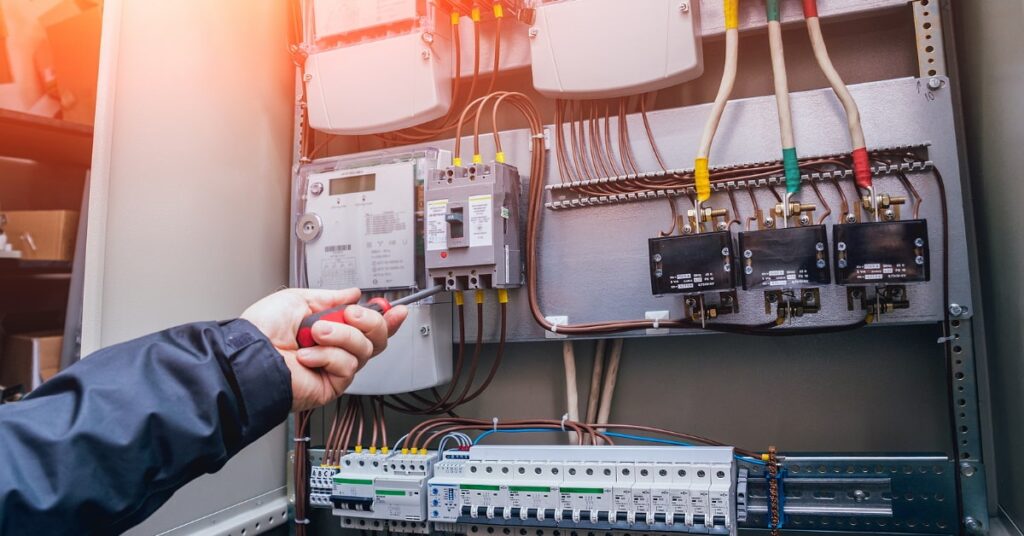
Our technicians inspect the condition of the relevant distribution panel, circuit breakers, protective devices, and accessible electrical connections.
The inspection may identify visible heat damage, unsuitable components, deteriorated connections, or other potential defects.
3. Electrical Load and Current Testing
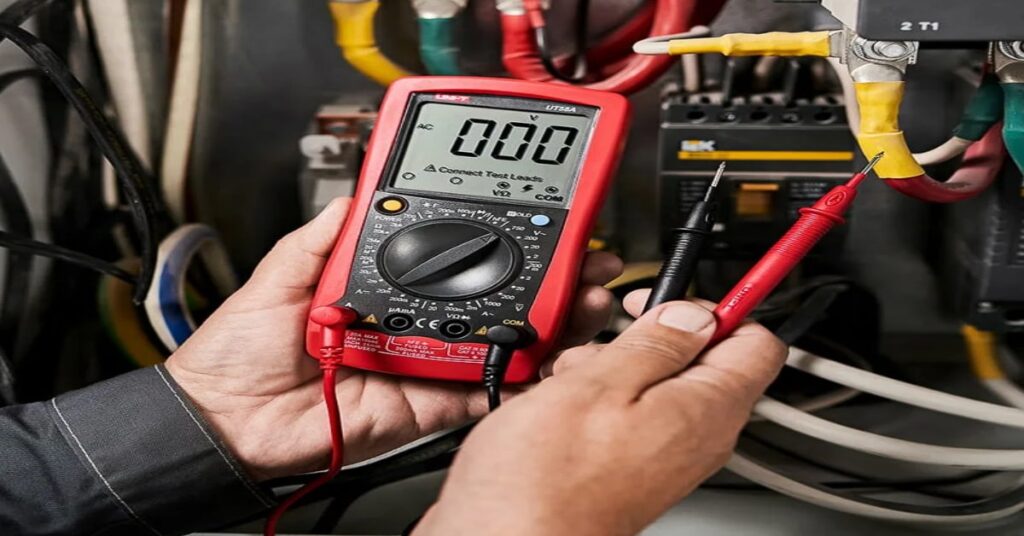
Where appropriate, we assess the current drawn by connected equipment and compare it with the circuit’s design and protection characteristics.
This helps identify overload conditions, unusual equipment demand, and potential problems with circuit coordination.
4. Wiring, Insulation, and Earth Leakage Testing
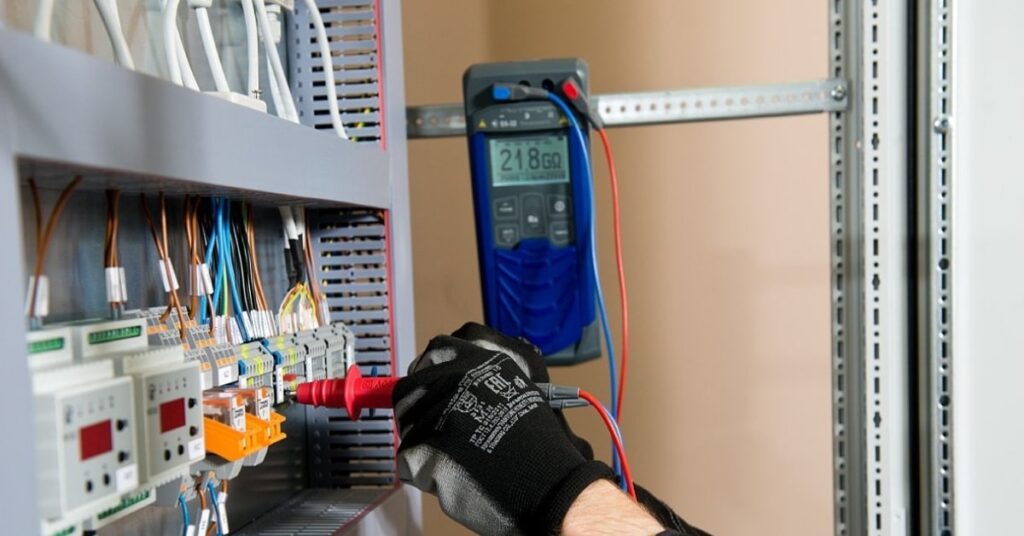
Depending on the reported fault, appropriate testing may include checking wiring condition, insulation integrity, grounding arrangements, and residual-current protection.
These procedures are performed by qualified personnel using suitable electrical testing equipment and required safety precautions.
5. Circuit Breaker Repair or Replacement
Once the fault has been identified, our team recommends the necessary corrective action.
Depending on the findings, this may involve replacing a damaged breaker, correcting defective wiring, repairing electrical connections, addressing an overloaded circuit, or improving the electrical distribution arrangement.
6. Final Safety Checks and System Verification
After completing the agreed repairs, the affected installation is checked using procedures appropriate to the work performed.
Our goal is to address the identified fault and verify the relevant electrical protection and circuit operation before returning the system to service.
What Should You Do When a Circuit Breaker Keeps Tripping?
A tripping breaker may be responding to a genuine electrical fault. Repeatedly switching it back on without identifying the problem can expose the installation to additional risks.
Follow these basic safety recommendations while arranging a professional electrical inspection:
- Do not repeatedly reset the breaker: If it trips again, leave the affected circuit off and arrange an inspection.
- Stop using suspicious equipment: Avoid operating an appliance that appears to trigger the electrical fault.
- Watch for urgent warning signs: Smoke, sparks, burning smells, and visible heat damage require urgent attention.
- Do not open electrical panels: Internal electrical connections and energized components should only be handled by qualified personnel.
- Never bypass electrical protection: Do not disable, bridge, or substitute a breaker simply to prevent power interruptions.
- Request professional fault diagnosis: A qualified technician can inspect the installation and identify the appropriate corrective action.
For circuit breaker inspection and electrical fault repair in Amman, Jordan, contact AL Emtyaz at 0798495491.
Circuit Breaker Inspection and Repair for Homes and Businesses
Electrical breaker problems affect residential and commercial properties in different ways. A tripping circuit in a home may interrupt household appliances, while electrical faults in a commercial building can disrupt important equipment and daily operations.
AL Emtyaz provides inspection and troubleshooting services for electrical installations in a range of properties.
Residential Circuit Breaker Repair
We inspect electrical breaker problems in apartments, villas, and residential buildings, including circuits supplying air conditioners, water heaters, lighting, sockets, and household appliances.
Commercial Electrical Panel Troubleshooting
Our services also support offices, retail facilities, commercial buildings, and other properties experiencing repeated breaker trips, damaged protective devices, or suspected distribution panel faults.
Electrical Protection for Technical and Industrial Equipment
Technical installations involving motors, pumps, air conditioning equipment, and other electrical loads may require detailed assessment of starting current, electrical demand, and protective device coordination.
Our team can evaluate these conditions and recommend appropriate inspection, maintenance, or corrective work according to the installation requirements.
Why Choose AL Emtyaz for Circuit Breaker Inspection in Jordan?
When dealing with frequent circuit breaker tripping, electrical panel overheating, or burning breaker connections, identifying the actual source of the problem is essential.
AL Emtyaz provides electrical inspection and repair services focused on evaluating faults and recommending suitable corrective measures for residential and commercial electrical systems.
- Professional electrical fault diagnosis: Inspection of breaker tripping, abnormal current, and electrical protection problems.
- Experienced technical personnel: Electrical inspection and maintenance carried out by qualified technicians and engineering personnel.
- Electrical testing equipment: Appropriate diagnostic tools used to assess electrical conditions and identify faults.
- Comprehensive inspection: Assessment of relevant breakers, wiring, electrical panels, and connected loads.
- Suitable repair recommendations: Corrective measures based on the identified fault and the electrical installation requirements.
- Residential and commercial services: Electrical troubleshooting for homes, offices, commercial facilities, and other buildings.
- Service coverage in Jordan: Electrical inspection and maintenance services in Amman and other areas according to scheduling and project requirements.
Our approach focuses on identifying electrical faults, improving the condition of the affected installation, and supporting safe and reliable operation.
Frequently Asked Questions About Circuit Breaker Tripping and Burning
Why does my circuit breaker keep tripping?
Common causes include electrical overloads, short circuits, damaged wiring, faulty appliances, high starting currents, unsuitable protection devices, and defective breakers. RCDs may also trip because of earth leakage. A professional inspection can identify the specific reason.
Why does my circuit breaker trip immediately?
Immediate tripping may indicate a short circuit, high starting current, another electrical fault, or an unsuitable breaker. The actual cause depends on the device and circuit conditions and should be assessed by a qualified electrician.
What causes a circuit breaker to overheat or burn?
Possible causes include loose electrical terminals, damaged connections, excessive current, internal breaker defects, incorrect installation, and short-circuit damage. Any breaker showing signs of burning requires urgent professional assessment.
Can a faulty appliance cause a circuit breaker to trip?
Yes. Faulty electrical appliances can develop internal shorts, insulation problems, abnormal motor current, or leakage faults that activate protective devices. The appliance and its electrical supply should be inspected to locate the problem.
What is the difference between an MCB and an RCD?
An MCB primarily protects electrical circuits against overloads and short circuits. An RCD detects residual current that may indicate earth leakage. An RCBO combines overcurrent protection and residual-current protection in one device.
Should I replace a tripping circuit breaker with a higher-rated breaker?
No. Increasing the breaker rating without assessing the circuit can compromise wiring protection and create overheating or fire hazards. A qualified electrician must determine whether the existing breaker and wiring are correctly specified.
Is it dangerous if a circuit breaker smells like burning?
Yes. A burning smell may indicate overheating, damaged insulation, or a failing electrical connection. Do not touch or reset damaged equipment. Keep away from the affected area and arrange urgent professional assistance.
Can moisture cause an electrical breaker to trip?
Yes. Moisture entering electrical equipment or wiring can cause insulation faults and current leakage. These conditions may trigger suitable protective devices, particularly RCDs or RCBOs.
Can a damaged circuit breaker be repaired or should it be replaced?
Where a breaker is internally damaged, burnt, or no longer reliable, replacement is generally required using a correctly specified device. The connected conductors and panel components should also be checked for damage.
Do you provide circuit breaker inspection in Amman and other cities in Jordan?
AL Emtyaz provides circuit breaker inspection, electrical fault diagnosis, and related electrical maintenance services in Amman and other areas of Jordan, subject to scheduling and service availability.
Contact Us for Circuit Breaker Inspection and Repair in Jordan
A circuit breaker that keeps tripping, overheating, or showing signs of burning should be inspected before the problem causes further damage to your electrical installation.
At AL Emtyaz, we provide professional circuit breaker troubleshooting and electrical fault inspection services in Amman and across Jordan for residential and commercial buildings.
Our services include:
- Circuit breaker tripping diagnosis and electrical fault identification.
- Burning and overheating circuit breaker inspection.
- Electrical panel inspection and distribution system troubleshooting.
- Short circuit and damaged wiring assessment.
- Electrical load testing and protection system evaluation.
- RCD and earth leakage fault diagnosis.
- Circuit breaker replacement and appropriate electrical repairs.
- Residential and commercial electrical maintenance.
Call AL Emtyaz today at 0798495491 to request circuit breaker inspection, fault diagnosis, or electrical breaker repair services in Jordan.
You can also send us a message through WhatsApp using the button below: