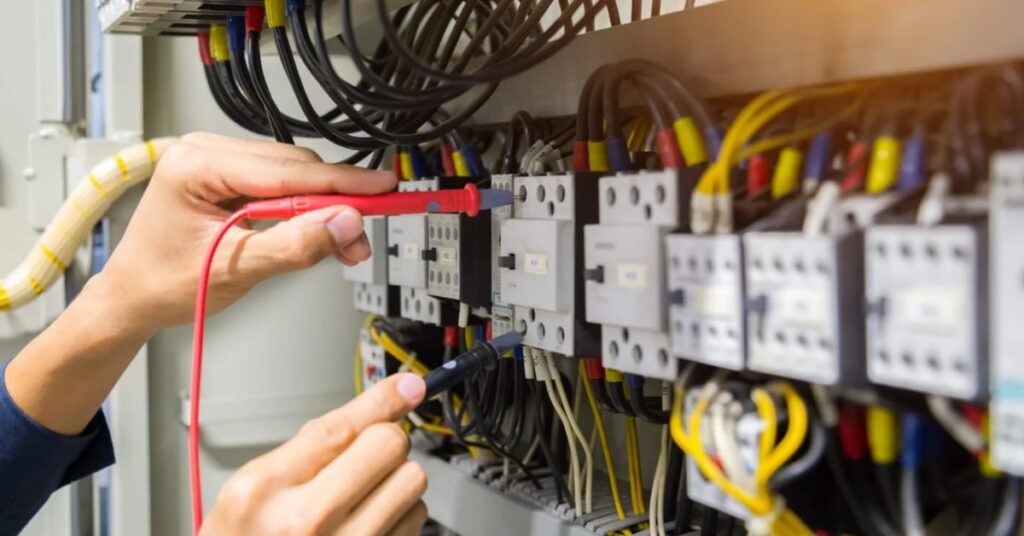
Building electrical fault detection and maintenance in Jordan is essential for maintaining safe, reliable electrical systems in residential buildings, commercial properties, offices, schools, and other facilities. Undetected electrical faults can cause unexpected power outages, equipment damage, operational interruptions, and serious electrical safety hazards.
AL Emtyaz Facilities Management provides professional electrical inspection, fault diagnosis, testing, and maintenance services for buildings in Amman and other serviceable areas of Jordan. Our electrical inspection process helps identify problems involving wiring, distribution panels, circuit breakers, grounding systems, electrical loads, and other important components.
These specialized inspection and testing solutions complement our wider Electrical Maintenance in Jordan, which includes electrical repairs, preventive maintenance, installation assessments, and technical support for different types of properties.
Whether your building experiences recurring electrical faults, voltage fluctuations, overloaded circuits, unexplained equipment failures, or concerns about electrical safety, our team can assess the installation and recommend suitable corrective actions.
Request an electrical building inspection in Jordan. Contact AL Emtyaz on 0798495491 to discuss your building’s electrical problems, inspection requirements, and maintenance needs.
You can also contact our team directly through WhatsApp:
Professional Electrical Fault Detection Services for Buildings in Jordan
Electrical systems in buildings contain interconnected equipment and circuits that require periodic inspection and appropriate maintenance. A small wiring defect, loose electrical connection, or overloaded circuit may develop into a larger problem if it remains undetected.
At AL Emtyaz, our building electrical fault detection services focus on evaluating the condition of the electrical installation, identifying potential faults, and determining which components require repair, replacement, or additional testing.
Our electrical inspection and maintenance services can address:
- Electrical distribution panels: Inspection of circuit breakers, protective devices, and accessible electrical connections.
- Electrical wiring and cables: Evaluation of damaged insulation, loose connections, deterioration, and other potential faults.
- Electrical grounding systems: Assessment of protective earthing and relevant electrical safety arrangements.
- Electrical leakage: Investigation of unintended current leakage and insulation problems.
- Electrical loads: Analysis of circuit loading, current demand, and possible overload conditions.
- Power quality problems: Investigation of voltage fluctuations and other electrical supply irregularities.
- Thermal abnormalities: Identification of potentially overheated electrical components using suitable inspection techniques.
- Preventive electrical maintenance: Scheduled inspections and recommendations for reducing future equipment failures.
The scope of each building electrical inspection depends on the property’s electrical infrastructure, the reported problems, and the technical assessment required. Not every building requires every available test.
Customized Electrical Inspection and Maintenance for Different Buildings
Every building has different electrical requirements. The electrical installation in a residential apartment building may be considerably different from the systems used in a commercial complex, office building, warehouse, or educational facility.
AL Emtyaz provides customized electrical inspection services in Jordan based on the property’s size, electrical infrastructure, operational requirements, and reported faults.
Comprehensive Electrical System Inspections
When a building requires an overall assessment, our team can evaluate the relevant electrical distribution systems, accessible wiring, circuit protection, grounding arrangements, and connected equipment.
A comprehensive assessment can help identify existing defects, potential safety concerns, and maintenance priorities across the electrical installation.
Targeted Electrical Fault Diagnosis
Some properties require an inspection of a specific electrical problem rather than the entire installation.
For example, if a building experiences repeated voltage fluctuations, our electrical team may focus on measuring electrical supply conditions, reviewing the affected circuits, and evaluating possible power quality problems.
Where appropriate, power quality analyzers and other measuring instruments can help collect information about voltage behavior, current demand, and electrical disturbances.
Electrical Safety and Overload Assessments
When the main concern involves electrical overloads, overheating, or fire hazards, the inspection can concentrate on circuit loading, protective devices, cable condition, and electrical distribution equipment.
This targeted approach helps identify the systems most relevant to the reported problem without requiring unnecessary testing of unrelated equipment.
Our Building Electrical Inspection and Fault Detection Process
Effective electrical fault diagnosis in buildings requires more than identifying a damaged cable or replacing a circuit breaker. The inspection should establish the likely cause of the fault, assess its implications, and determine an appropriate repair strategy.
AL Emtyaz follows an organized assessment approach that can include the following inspection and testing activities, depending on the property’s requirements.
1. Visual Inspection of Electrical Wiring and Equipment
A visual inspection is an important starting point for evaluating the condition of a building’s electrical installation.
Our electrical team examines accessible wiring, cables, connections, and equipment for visible signs of deterioration or abnormal conditions.
- Damaged or deteriorated cable insulation.
- Exposed electrical conductors.
- Visible overheating or discoloration.
- Corrosion affecting electrical components.
- Loose or damaged electrical fittings.
- Signs of moisture affecting electrical equipment.
Visual findings help determine whether additional electrical testing or corrective maintenance is required. However, some electrical faults are not visible and require specialized measurements.
2. Electrical Distribution Panel Inspection
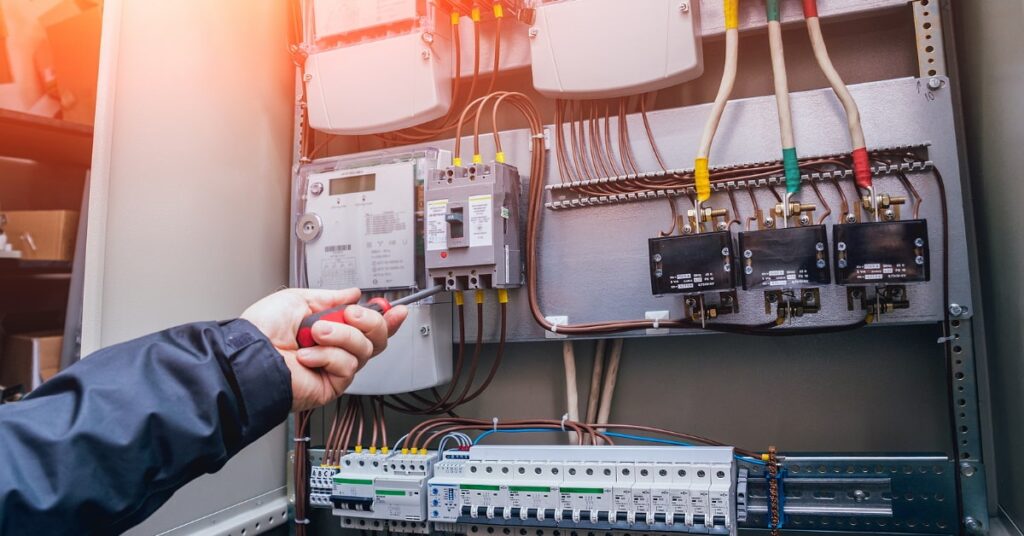
Electrical distribution board inspection is an important part of building maintenance because these panels distribute electrical power to different circuits and contain protective equipment.
Our team evaluates accessible panel components for signs of damage, overheating, corrosion, and improper connections. Circuit breakers, switches, and associated equipment are reviewed according to the inspection scope.
Where necessary, panel cleaning or corrective maintenance may be recommended. Such work must be performed under appropriate electrical isolation and safety procedures.
3. Circuit Breaker and Electrical Switch Testing
Circuit breakers and protective switches are intended to respond to specified electrical fault conditions. Damaged or incorrectly selected protective devices may leave parts of an installation inadequately protected.
Our circuit breaker testing and inspection services can include reviewing device condition, electrical ratings, installation suitability, and relevant operating characteristics.
When testing identifies defective components, appropriate repair or replacement recommendations can be made. Protective devices must be compatible with the electrical circuit and the applicable installation requirements.
4. Electrical Grounding and Earth Fault Testing
Protective grounding is an important part of electrical safety in residential, commercial, and industrial buildings.
Electrical grounding inspection helps evaluate the condition of relevant earthing connections and protective arrangements intended to reduce electric shock risks.
Depending on the electrical installation, appropriate tests can be performed to assess grounding continuity, earthing system characteristics, and the operation of relevant protective devices.
If an inadequate grounding arrangement or earth fault is detected, the required corrective work is determined according to the system design and inspection findings.
5. Inspection of Connected Electrical Equipment
Connected electrical equipment may contribute to unexpected faults, excessive loads, circuit interruptions, or other installation problems.
Our inspection can include evaluating equipment connections, visible component condition, electrical operating requirements, and installation suitability.
Specialized internal inspection of equipment is carried out only where appropriate for the device and the agreed service scope. Certain equipment may require manufacturer-authorized servicing or specialist technical support.
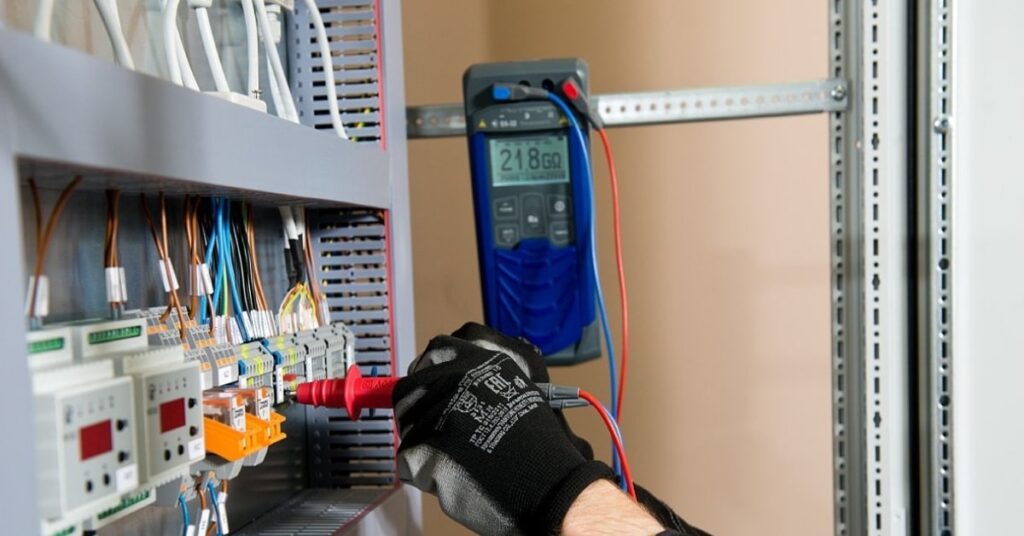
6. Electrical Insulation Resistance Testing
Insulation resistance testing is an important electrical diagnostic procedure used to assess the condition of insulation associated with wiring, cables, and suitable electrical equipment.
Insulation can deteriorate over time because of age, moisture, mechanical damage, temperature exposure, or other environmental conditions.
Using appropriate insulation resistance testing equipment, qualified personnel can assess whether a circuit or component shows signs of insulation deterioration requiring further investigation.
Testing must be performed using procedures appropriate for the equipment involved, with sensitive electronic devices protected or disconnected where required.
7. Lighting Systems and Electrical Control Inspection
Lighting systems affect everyday operations, working conditions, and electricity consumption in buildings.
Our electrical inspection services can include evaluating lighting circuits, switches, control devices, and accessible electrical connections.
Where installed, automatic lighting controls such as sensors, timers, and related switching devices can also be assessed for faults or improper operation.
Inspection findings may help identify defective switches, damaged fixtures, unsuitable connections, or control problems that require maintenance.
8. Electrical Leakage Current Detection
Electrical leakage current detection helps identify unintended electrical current paths that may arise from damaged insulation, faulty equipment, moisture, or other defects.
When appropriate, specialized leakage current measurement instruments can help technicians evaluate the affected circuits and identify conditions requiring further testing.
Electrical leakage should primarily be treated as a potential safety concern. Although some electrical faults may affect energy consumption, current leakage does not automatically explain a high electricity bill.
After identifying the likely cause, corrective work may involve repairing damaged insulation, replacing faulty wiring, or addressing defective electrical equipment.
Advanced Electrical Testing and Fault Detection Techniques
Some electrical problems cannot be identified through a visual inspection alone. More detailed testing may be required to investigate hidden defects, abnormal operating temperatures, excessive electrical loads, or problems affecting cable connections.
AL Emtyaz can use suitable electrical diagnostic methods according to the nature of the installation and the suspected fault.
9. Thermal Imaging Electrical Inspection
Thermal imaging electrical inspection uses infrared imaging equipment to identify temperature differences in accessible electrical components.
Unusual temperature patterns may indicate overloaded conductors, deteriorated connections, excessive resistance, or certain types of equipment faults.
Infrared electrical inspection may be useful for evaluating:
- Electrical distribution panels and accessible connections.
- Cable terminals and connection points.
- Selected circuit breakers and switching equipment.
- Electrical components operating under load.
- Potential overheating in suitable electrical equipment.
Thermal images must be interpreted in relation to operating conditions, load, component type, and surrounding temperatures. Thermal imaging provides diagnostic information but does not replace electrical measurements or establish that every hidden fault has been detected.
10. Electrical Cable Connections and Terminal Inspection
Loose or damaged electrical connections can produce increased resistance, overheating, intermittent power interruptions, and other electrical faults.
Our electrical connection inspection focuses on accessible cable terminals, connectors, distribution points, and relevant wiring connections.
When the inspection identifies a defective connection, the required maintenance may include correcting the connection, replacing damaged components, or carrying out additional testing.
Connection work must follow the applicable equipment specifications and appropriate electrical isolation procedures.
11. Electrical Load Analysis and Overload Detection
Electrical load analysis helps determine whether building circuits and equipment are operating within their designed electrical capacity.
Excessive electrical demand may contribute to overheating, nuisance breaker trips, voltage drops, and premature equipment deterioration.
Depending on the installation, technicians may measure electrical current, voltage, and other relevant operating characteristics to assess circuit loading.
This information can support recommendations involving load distribution, electrical circuit maintenance, or installation upgrades where necessary.
12. Electrical Transformer Inspection
Some commercial and larger buildings have transformers or associated electrical distribution equipment that require specialized inspection and maintenance.
Where the transformer is part of the customer’s installation and falls within the agreed service scope, our team can discuss appropriate inspection requirements and the need for specialist assessment.
Transformer evaluations may consider visible equipment condition, operating abnormalities, connections, and relevant maintenance history.
Medium-voltage and high-voltage transformer testing or repair must be performed by appropriately qualified specialists. Utility-owned transformers are the responsibility of the relevant electricity provider or authorized party.
13. Electrical Hazard Identification and Risk Assessment
Electrical hazard assessment helps identify conditions that could contribute to electric shocks, overheating, equipment failure, or fire.
The inspection may identify hazards involving:
- Damaged or exposed electrical wiring.
- Overloaded electrical circuits.
- Loose or deteriorated electrical connections.
- Inadequate protective arrangements.
- Abnormally hot electrical components.
- Unsuitable or damaged electrical equipment.
- Moisture affecting electrical installations.
Identifying these conditions supports appropriate maintenance planning and prioritization of corrective action.
14. Electrical Circuit Analysis and Wiring Connection Testing
Electrical circuit analysis involves examining relevant wiring, connections, protective devices, and operating conditions to identify faults affecting circuit performance.
Depending on the suspected problem, suitable diagnostic testing may include circuit continuity checks, insulation resistance measurements, voltage testing, and other relevant electrical assessments.
The purpose is to determine whether wiring defects, loose connections, damaged components, or circuit configuration problems require corrective work.
Electrical Safety Compliance and Renewable Energy System Inspections
Beyond fault detection, building electrical maintenance may involve reviewing relevant safety arrangements and inspecting specialized systems such as solar photovoltaic installations.
15. Electrical Safety Standards and Protective System Checks
Electrical installations should be assessed against the requirements applicable to their design, equipment, and intended use.
Our building electrical inspection process can include reviewing accessible protective devices, distribution components, grounding arrangements, and other relevant safety features.
Where requested and within the agreed scope, related safety equipment such as emergency electrical shutdown arrangements and interfaces with fire protection systems may also be reviewed.
Formal fire alarm system inspection, fire suppression certification, and regulatory compliance assessments may require separate authorized specialists. An ordinary electrical inspection should not be treated as certification of every building safety system.
16. Solar Panel and Renewable Energy Electrical Inspections
Buildings equipped with solar photovoltaic systems may require additional electrical inspection and maintenance for their solar panels, inverters, electrical connections, and associated protection equipment.
Depending on the system and service scope, inspection activities may include:
- Visual examination of accessible solar panel components.
- Inspection of relevant DC and AC electrical connections.
- Evaluation of inverter operating information and reported faults.
- Appropriate voltage and current measurements.
- Checking visible cable damage and connection deterioration.
- Reviewing electrical protection and maintenance requirements.
Solar photovoltaic inspection requires procedures and equipment suitable for the system. Qualified personnel should carry out electrical testing because solar arrays can produce hazardous DC voltage while exposed to light.
17. Preventive Electrical Maintenance and Follow-Up Inspections
Electrical fault detection is most useful when inspection findings lead to appropriate corrective action and ongoing maintenance.
Preventive electrical maintenance for buildings can involve periodic checks of electrical panels, protective devices, accessible cable connections, grounding arrangements, and selected electrical equipment.
The maintenance frequency and scope depend on the building’s usage, electrical loading, equipment condition, operating environment, and applicable requirements.
Scheduled inspections help facilities managers identify emerging problems and plan maintenance before certain faults result in unexpected service interruptions.
Electrical Fault Detection Equipment and Testing Instruments
Reliable electrical fault detection in buildings requires technicians to select suitable diagnostic instruments for the type of problem being investigated.
AL Emtyaz uses specialized electrical testing equipment to support inspection and fault diagnosis. The exact instruments required depend on the electrical system, the test conditions, and the agreed inspection scope.
Infrared Thermal Imaging Cameras
Infrared thermal cameras produce images showing temperature differences across accessible electrical components. They can help identify unusual heating patterns associated with overloaded circuits, defective connections, or deteriorated equipment.
Thermal findings are evaluated alongside electrical loading and other inspection results before repair recommendations are made.
Insulation Resistance Testers (Megohmmeters)
An insulation resistance tester, commonly known as a megohmmeter or Megger-type tester, measures insulation resistance using an appropriate test voltage.
It helps assess insulation condition in suitable electrical circuits and cables. Test procedures must be selected carefully to avoid damage to sensitive equipment.
Circuit Breaker and Electrical Load Testing Equipment
Appropriate test instruments can help assess electrical loads and selected protective device characteristics.
These tests support investigation of recurring breaker trips, abnormal current demand, and concerns about circuit protection.
Leakage Current Clamp Meters
A leakage current clamp meter is designed to measure small currents under suitable test conditions, helping technicians investigate unintended current leakage.
This instrument can support assessment of insulation defects, grounding concerns, and electrical equipment problems where leakage current is suspected.
Power Quality Analyzers and Electrical Measuring Instruments
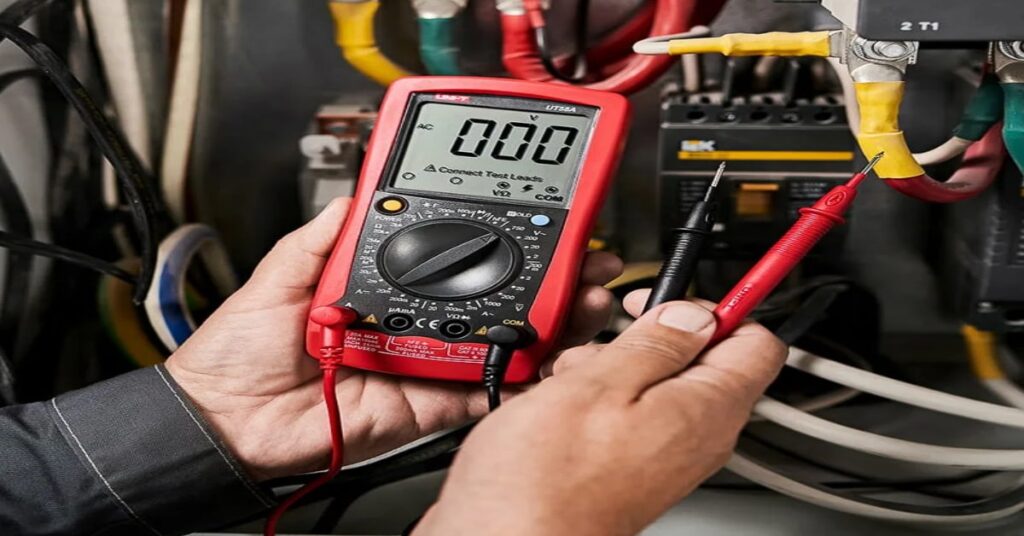
Power quality analyzers and suitable electrical meters can help evaluate voltage behavior, electrical current, power demand, and selected supply disturbances.
These measurements may be useful for investigating recurring voltage fluctuations, unusual electrical loading, and equipment operating problems.
Important: No single electrical testing instrument can identify every fault. Effective diagnosis depends on appropriate procedures, technician competence, and interpretation of the combined inspection findings.
Electrical Fault Repair and Corrective Maintenance for Buildings
AL Emtyaz offers more than building electrical fault detection. Once a problem has been identified, the inspection findings can be used to determine the appropriate electrical repair or maintenance work.
Depending on the nature of the fault, corrective electrical maintenance may involve:
- Repairing or replacing damaged electrical wiring.
- Correcting defective electrical connections.
- Replacing unsuitable or damaged protective devices.
- Addressing electrical insulation deterioration.
- Investigating grounding and leakage current faults.
- Repairing selected electrical panel components.
- Correcting faults in suitable lighting and control circuits.
- Recommending electrical system upgrades where necessary.
Repairs are planned according to the inspection findings, equipment specifications, and applicable electrical safety requirements.
Where a problem involves specialized or utility-owned equipment, the appropriate authorized party may need to carry out the work.
Benefits of Regular Building Electrical Inspection and Maintenance
Regular electrical inspections and preventive maintenance can help property owners and facilities managers monitor the condition of building electrical systems and plan corrective work more effectively.
Improved Electrical Safety
Electrical inspections help identify visible damage, insulation deterioration, unsuitable connections, and other conditions that may present electric shock or fire risks.
Reduced Risk of Unexpected Electrical Failures
Finding deteriorated components before they fail may reduce certain unplanned power interruptions and equipment problems.
Better Maintenance Planning
Inspection findings help facilities managers prioritize repairs and arrange maintenance according to the condition of the electrical installation.
Improved Operational Reliability
Well-maintained electrical distribution systems support more reliable operations in offices, commercial properties, schools, and other buildings where electrical interruptions can disrupt daily activities.
Opportunities to Improve Energy Management
Electrical load analysis and equipment assessments may identify inefficient operating conditions or opportunities to improve electrical system management. Actual energy savings depend on the specific findings and subsequent corrective actions.
Why Choose AL Emtyaz for Building Electrical Maintenance in Jordan?
Choosing an electrical inspection and maintenance company in Jordan involves considering the technical services available, the approach to fault diagnosis, and the ability to identify appropriate corrective work.
AL Emtyaz provides electrical inspection and maintenance services for buildings with different operating requirements.
Systematic Electrical Fault Diagnosis
Our inspection approach focuses on understanding the reported problem, evaluating the relevant electrical components, and identifying potential causes before recommending repairs.
Electrical Engineers and Technical Personnel
Our electrical team brings technical experience to the inspection and maintenance of building electrical installations, helping property owners address faults involving distribution systems, wiring, and associated equipment.
Specialized Electrical Testing Equipment
We use appropriate electrical diagnostic instruments, including thermal imaging equipment, insulation resistance testers, and current measurement devices, according to the inspection requirements.
Inspection and Corrective Maintenance
Where an electrical fault is identified, AL Emtyaz can discuss the required repair work and suitable maintenance arrangements rather than limiting the service to diagnosis alone.
Clear Service Scope and Quotations
Inspection and maintenance requirements vary between buildings. Contact our team to discuss the property, reported problems, relevant tests, and pricing arrangements before work begins.
Electrical Maintenance in Amman and Other Areas of Jordan
AL Emtyaz handles electrical inspection and maintenance inquiries for properties in Amman and other serviceable locations across Jordan. Availability and scheduling depend on the building, service scope, and location.
Frequently Asked Questions About Electrical Fault Detection in Buildings
What is electrical fault detection in buildings?
Electrical fault detection involves inspecting and testing relevant electrical components to identify problems affecting wiring, distribution panels, protective devices, grounding systems, and connected equipment. The appropriate tests depend on the symptoms and type of electrical installation.
What does a building electrical inspection include?
A building electrical inspection may include visual checks, distribution panel assessments, protective device testing, grounding checks, insulation resistance testing, electrical load analysis, and other diagnostic procedures. The scope is determined according to the property and inspection requirements.
Can electrical faults be detected without opening walls?
Some electrical problems can be investigated using accessible electrical panels, testing instruments, and non-destructive diagnostic methods. However, hidden wiring defects may require additional access or more detailed investigation.
How does thermal imaging help detect electrical faults?
Thermal imaging can reveal unusual temperature patterns in accessible electrical components. These may indicate overloaded circuits, deteriorated connections, or other faults, but findings must be verified through appropriate inspection and testing.
What is an electrical insulation resistance test?
Insulation resistance testing assesses the resistance of electrical insulation in suitable circuits or equipment. It can help identify deterioration that may require repair or replacement. The procedure must be performed using appropriate equipment and safety measures.
Can electrical inspections help prevent electrical fires?
Electrical inspections can identify certain conditions associated with fire risks, such as overheating, damaged insulation, and overloaded circuits. Corrective maintenance can reduce related risks, although no inspection can guarantee that every future electrical fault or fire will be prevented.
How often should a building’s electrical system be inspected?
The appropriate inspection frequency depends on the building’s purpose, electrical loads, equipment condition, operating environment, and applicable requirements. Properties with heavy electrical use or recurring faults may require more frequent assessments.
Do you provide electrical inspection services for commercial buildings?
Yes. AL Emtyaz handles inquiries for electrical fault detection and maintenance in residential, commercial, and other buildings in Jordan. The appropriate inspection scope is determined according to the property and its electrical systems.
Can you inspect solar panels as part of building electrical maintenance?
Solar photovoltaic electrical inspection can be discussed as part of the property’s maintenance requirements. Available testing depends on the system configuration, equipment, and the qualifications required for the inspection.
How much does building electrical fault detection cost in Jordan?
Electrical inspection prices in Jordan depend on the building’s size, the complexity of its electrical systems, the required tests, accessibility, and whether the work involves a specific fault or a broader inspection. Contact AL Emtyaz to discuss the scope and request a quotation.
Contact AL Emtyaz for Electrical Fault Detection and Maintenance in Jordan
Electrical faults in buildings should be investigated before they develop into larger safety or operational problems. Repeated circuit breaker trips, voltage fluctuations, overheating, electrical leakage, and unexplained equipment faults may indicate that a professional inspection is necessary.
AL Emtyaz Facilities Management provides building electrical inspection, fault detection, and maintenance services in Jordan to help property owners and facilities managers assess electrical problems and plan suitable corrective work.
Whether you manage a residential building, office, school, commercial property, or another facility, contact our team to discuss the electrical system and the type of inspection or maintenance required.
Call AL Emtyaz: 0798495491
You can also request information about our building electrical inspection and maintenance services through WhatsApp using the button below.