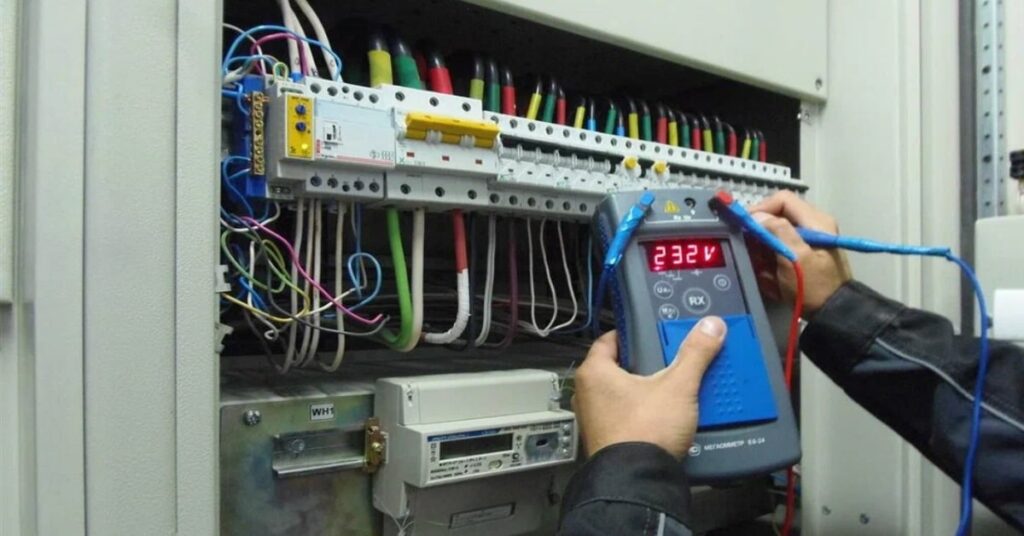
Need professional electrical safety testing in Jordan? AL Emtyaz Facilities Management provides electrical work assessments, electrical installation testing, and safety inspections for homes, villas, residential buildings, offices, and commercial facilities in Amman and other serviceable areas of Jordan.
Request an electrical safety assessment today. Call AL Emtyaz at 0798495491 to discuss electrical safety tests, thermal imaging inspections, electrical panel assessments, or an inspection report for your property.
Prefer WhatsApp? Contact our electrical inspection team using the button below to ask about available testing services, request a quotation, or arrange a property assessment.
Professional Electrical Safety Testing and Work Assessment in Jordan
Electrical safety testing is an important part of evaluating the condition and performance of electrical installations in residential, commercial, and industrial buildings. Even when an electrical system appears to operate normally, hidden defects may exist in distribution boards, protective devices, electrical connections, grounding systems, and other components.
At AL Emtyaz Facilities Management, we provide electrical work assessment and safety testing services in Jordan to help property owners identify potential hazards, evaluate the quality of installed electrical components, and determine whether corrective work is necessary.
Our electrical assessment services include checking circuit breaker panels, reviewing the suitability of electrical wiring and protective devices, examining grounding arrangements, testing relevant insulation characteristics, and assessing selected electrical operating conditions.
We also use appropriate diagnostic equipment, including thermal imaging cameras and electrical measurement instruments, to help identify problems that may not be visible during a basic inspection.
As part of our broader Electrical Maintenance in Jordan, we help homeowners, property buyers, companies, and facility managers assess electrical installations and plan suitable maintenance or safety improvements.
After completing the agreed assessment, our team can provide a detailed report outlining relevant test results, identified electrical concerns, and recommendations for repairs, upgrades, or preventive maintenance.
Whether you need an inspection before purchasing a property, an assessment of recently completed electrical work, or a safety review of an existing building, AL Emtyaz can help you discuss the appropriate testing scope.
Why Electrical Safety Testing Matters Before Buying a Property
Before purchasing a house, apartment, villa, or commercial building, it is important to understand the condition of its electrical installation. Electrical defects can remain unnoticed during a normal property viewing, particularly when they involve concealed wiring, distribution boards, or protective devices.
A professional pre-purchase electrical safety assessment helps identify potential problems that may affect the safety, maintenance requirements, or future operating costs of the property.
AL Emtyaz provides electrical work evaluations that can help prospective buyers review the condition of the existing installation and identify areas that may require additional testing, repair, or replacement.
What Can an Electrical Safety Assessment Reveal?
Depending on the agreed scope of work, an electrical safety assessment can help identify the following concerns:
- Incorrectly selected circuit breakers: Protective devices that may not be appropriately rated for the connected circuits.
- Unsuitable electrical wiring: Wiring or connections that require further assessment because of their condition, rating, or installation method.
- Grounding problems: Deficiencies in relevant earthing and protective bonding arrangements.
- Insulation deterioration: Potential electrical insulation defects that may increase the risk of faults.
- Overheating components: Abnormal temperature patterns in accessible electrical panels and connections.
- Defective protective devices: Circuit breakers or residual current protection equipment that may not operate as intended.
- Voltage irregularities: Electrical supply conditions that require further investigation.
- Previous installation defects: Poorly completed electrical alterations, unsuitable connections, or other identifiable workmanship issues.
Identifying these issues before completing a property transaction can help buyers understand potential repair requirements and make more informed decisions.
An inspection cannot guarantee that every concealed defect will be discovered. The findings depend on the tests performed, accessibility of the installation, and conditions at the time of assessment.
What Does Our Electrical Safety Testing Service Include?
A comprehensive electrical safety assessment examines relevant installation components and uses suitable measurements to evaluate important aspects of electrical safety and performance.
Our services can be tailored to the property and may include the following assessments.
1. Electrical Distribution Board Assessment
Electrical distribution boards contain circuit breakers, wiring connections, and other protective components responsible for distributing electricity throughout the building.
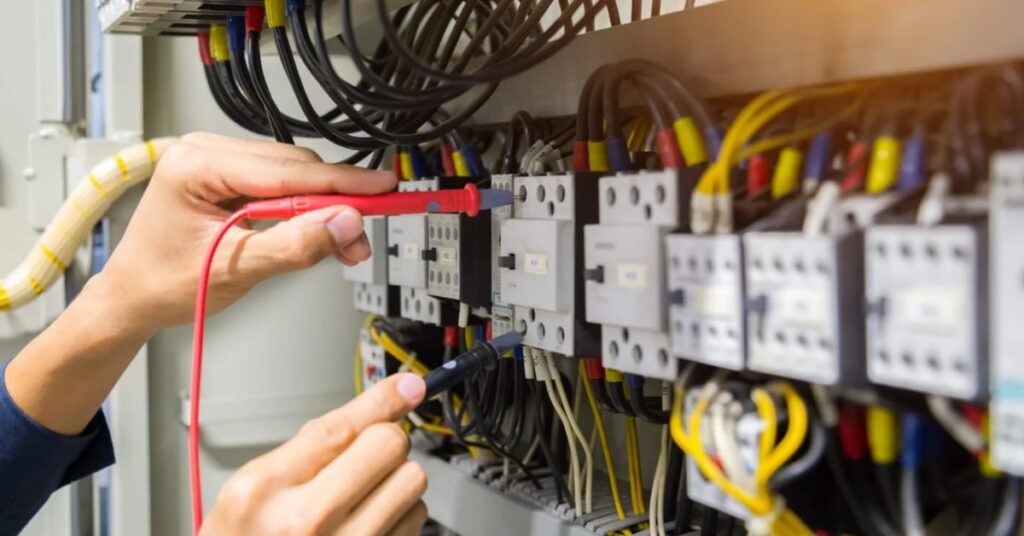
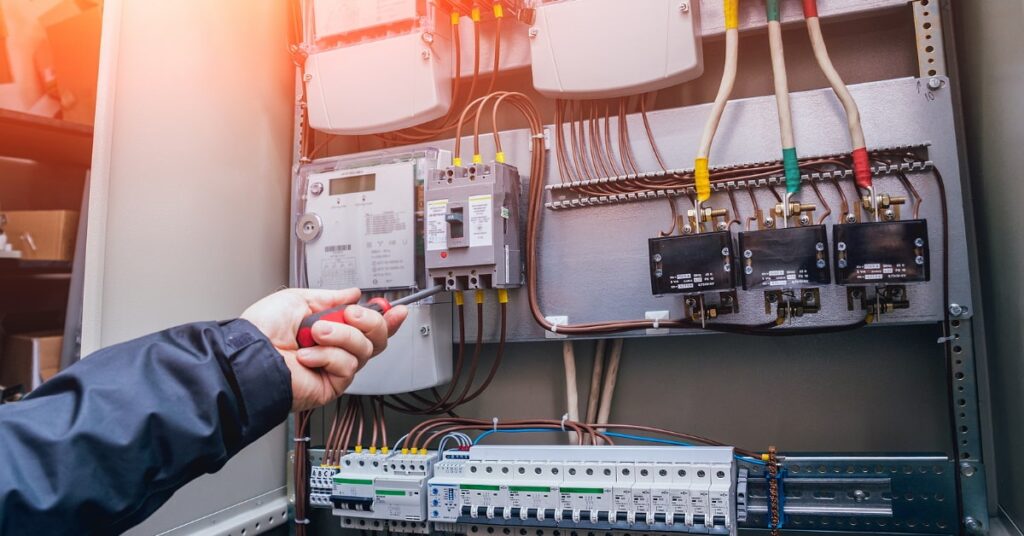
Our electrical panel safety assessment can include examining the condition, arrangement, and suitability of relevant components.
Checks may cover circuit breaker ratings, visible installation defects, damaged terminals, signs of overheating, and other concerns affecting the distribution board.
2. Electrical Wiring and Connection Evaluation
Electrical wiring and connections should be suitable for the intended electrical load and installed using appropriate methods.
Our team assesses relevant wiring arrangements, accessible connections, and the suitability of selected components as part of the electrical work evaluation.
Where necessary, further measurements or inspections may be recommended to investigate damaged insulation, loose connections, unsuitable conductor sizes, or other concerns.
3. Earthing and Grounding System Testing
Electrical earthing system testing helps assess important aspects of a building’s grounding and protective bonding arrangements.
Depending on the installation, testing may involve earth resistance measurements, protective conductor continuity checks, or other relevant procedures.
The suitability of grounding arrangements should be evaluated according to the electrical supply system, installation design, and applicable technical requirements.
4. Insulation Resistance and Electrical Safety Testing
Electrical insulation helps prevent unintended current flow between conductors and other conductive parts.
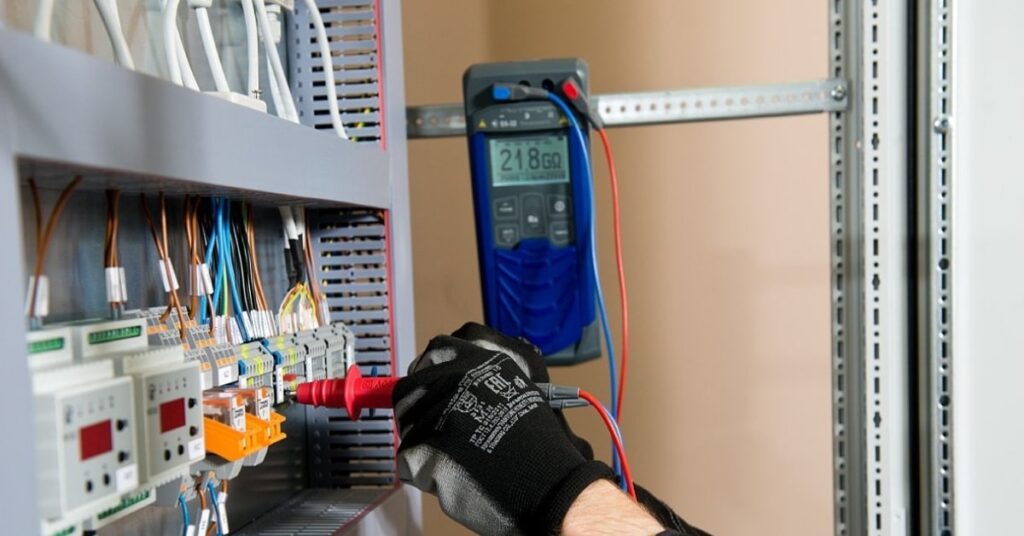
Insulation resistance testing can help identify deterioration, moisture-related defects, damaged electrical cables, and other possible insulation problems.
These tests must be performed using appropriate procedures, with connected equipment isolated or protected where necessary.
5. Circuit Protection and Safety Device Testing
Protective devices such as circuit breakers and residual current devices are important components of electrical safety.
Our safety testing services can include checking the condition and suitability of relevant protective devices and conducting appropriate functional tests when required.
Identified deficiencies can be documented along with recommendations for corrective work.
6. Voltage and Electrical Supply Assessment
Voltage measurements help determine whether the electrical supply operates within suitable limits at the time of testing.
Where the property experiences unstable electricity, repeated equipment shutdowns, or unusual voltage behavior, additional monitoring may be recommended.
Advanced Equipment Used for Electrical Safety Testing
Professional electrical inspection and testing relies on appropriate instruments to assess electrical conditions and support accurate identification of potential problems.
At AL Emtyaz, the equipment selected for an assessment depends on the electrical installation, the suspected concerns, and the tests required.
Examples of diagnostic equipment used for electrical safety assessments include:
- Electrical installation testers: Used for relevant measurements involving circuit continuity, insulation, and protective arrangements.
- Earth resistance testing equipment: Helps assess appropriate characteristics of grounding systems.
- Thermal imaging cameras: Used to identify abnormal temperature patterns in accessible electrical components.
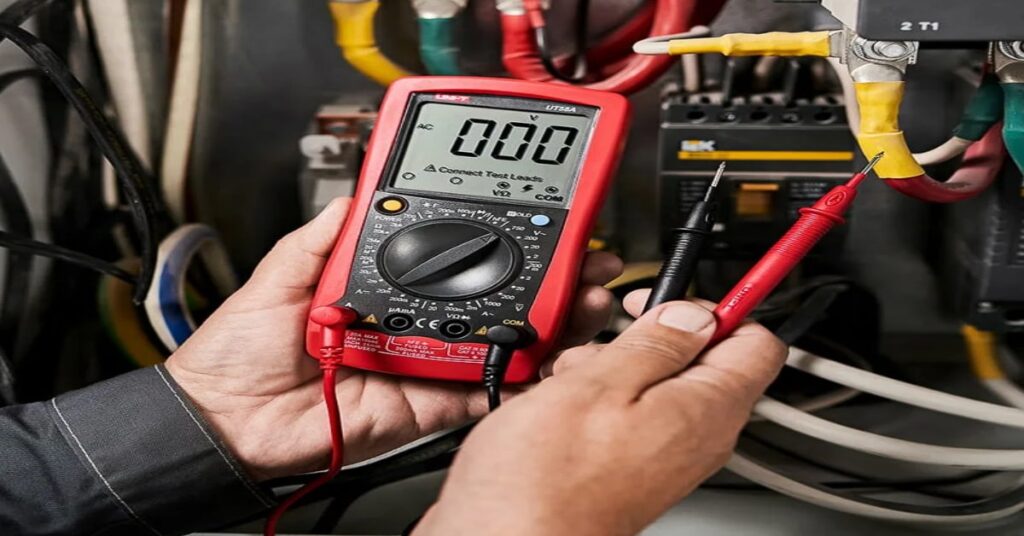
- Digital multimeters: Used for selected voltage, resistance, and other electrical measurements.
- Voltage monitoring equipment: Helps investigate unstable voltage and certain power quality concerns.
- Residual current device testers: Used to assess particular operating characteristics of compatible RCD protection.
- Specialized electromagnetic field meters: Used for relevant EMF measurement tasks when these are included in the assessment scope.
Using appropriate testing instruments helps qualified personnel identify faults and assess installation conditions more effectively than relying on visual inspection alone.
However, instrument readings must be interpreted according to the installation characteristics, operating conditions, and applicable technical criteria.
Electrical Panel Thermal Imaging Inspection
Electrical thermal imaging inspection is a diagnostic technique that uses infrared cameras to identify temperature differences in electrical panels, connections, and other accessible components.
Electrical components may develop abnormal heating because of excessive current, deteriorated connections, increased electrical resistance, or other operating problems.
Thermal imaging helps identify unusual temperature patterns that may require further examination.
AL Emtyaz uses thermal inspection methods as part of relevant electrical safety assessments and preventive maintenance evaluations.
Benefits of Thermal Imaging for Electrical Safety
The main benefits of thermal imaging inspection of electrical panels include:
- Early identification of abnormal heating: Detecting temperature differences that may indicate developing electrical problems.
- Improved maintenance planning: Helping prioritize components requiring further inspection or corrective work.
- Reduced risk of unexpected failures: Identifying potential problems before they develop into serious equipment faults.
- Support for electrical safety: Investigating conditions associated with overheating and damaged electrical components.
- Maintenance cost management: Supporting targeted maintenance instead of replacing components without adequate evidence of failure.
- Useful inspection records: Thermal images can be included in maintenance documentation to support further assessment.
What Can Thermal Imaging Reveal?
Thermal cameras may reveal abnormal temperature patterns around accessible breaker terminals, electrical connections, conductors, or equipment components.
These patterns can indicate possible concerns such as loose connections, overloaded circuits, unsuitable contact resistance, or defective components.
Important: Thermal imaging does not directly measure electrical leakage or establish the exact cause of a fault. Additional electrical measurements may be necessary, and results should be interpreted by qualified personnel.
Thermal imaging is most useful when performed under suitable operating conditions and combined with appropriate electrical testing.
Electromagnetic Field Measurement and Assessment
Electrical and electronic equipment can generate electromagnetic fields (EMF) during normal operation. The characteristics and strength of these fields vary according to the equipment, electrical current, operating frequency, distance, and installation conditions.
AL Emtyaz can discuss specialized electromagnetic field measurement services for properties and technical facilities where EMF assessment is relevant.
EMF measurements are different from standard electrical installation safety tests. They require instruments and measurement methods appropriate to the type and frequency of the field being assessed.
Why Measure Electromagnetic Fields?
Depending on the circumstances, EMF measurements may support:
- Exposure assessment: Measuring relevant field levels and comparing them with applicable reference criteria where appropriate.
- Equipment investigations: Examining electromagnetic conditions that may be relevant to sensitive equipment or technical installations.
- Property assessments: Providing measurements for property owners who require information about electromagnetic field levels in particular areas.
- Technical documentation: Recording measurement conditions, locations, equipment, and observed field values.
Specialized EMF assessments should consider the frequency of the field, measurement location, duration, relevant standards, and limitations of the measuring instrument.
EMF measurements alone do not establish whether an individual has experienced a health effect. Any interpretation involving exposure guidance should rely on applicable scientific and regulatory criteria.
Contact AL Emtyaz to discuss whether a specialized electromagnetic field assessment is appropriate for your property or technical installation.
Residual Current Device (RCD) and Earth Leakage Protection Testing
Residual current devices (RCDs) are electrical protective devices designed to disconnect a circuit when a specified residual current condition is detected.
These devices are an important part of many electrical protection arrangements because they can help reduce the risk of electric shock under certain fault conditions.
As part of our electrical safety testing services in Jordan, AL Emtyaz can assess relevant RCD protection and perform suitable tests according to the installation and device specifications.
Why Is RCD Testing Important?
RCD testing helps assess whether a compatible protective device operates according to relevant test conditions.
The benefits of testing include:
- Protective device verification: Checking selected operating characteristics of installed RCDs.
- Electrical safety assessment: Identifying protective devices that may require further investigation or replacement.
- Preventive maintenance: Supporting periodic evaluation of relevant electrical protection equipment.
- Installation review: Assessing whether the selected RCD arrangement is suitable for the circuit and application.
- Documentation: Recording relevant test results for maintenance and inspection purposes.
How Are RCDs Tested?
Depending on the device and testing requirements, an RCD tester may be used to apply a controlled residual current and measure relevant operating characteristics, such as disconnection performance.
The results are assessed according to the applicable device specifications and relevant technical requirements.
Testing should be performed by qualified personnel because some procedures intentionally interrupt the electricity supply to the protected circuit.
Important: RCDs do not replace appropriate circuit breakers, grounding arrangements, wiring protection, or other electrical safety measures. They also do not eliminate every possible electric shock hazard.
Electrical Wiring Connections and Color Code Assessment
Correctly installed electrical connections and appropriate conductor identification are important for safe electrical installation, inspection, and maintenance.
Electrical wiring color codes are used to help identify the intended function of conductors, but the exact requirements depend on the applicable installation standard, supply system, and age of the installation.
AL Emtyaz assesses relevant electrical connections and conductor identification as part of its electrical work evaluation services.
Why Are Proper Wiring Connections Important?
Using suitable wiring methods and correctly identifying electrical conductors can provide several benefits:
- Improved electrical safety: Reducing the likelihood of incorrect connections and installation mistakes.
- Easier maintenance: Helping qualified electricians identify relevant conductors and circuits during inspection and repairs.
- Better installation organization: Supporting clearer electrical wiring layouts and identification.
- More effective troubleshooting: Making it easier to investigate electrical faults when the installation is properly documented and identified.
- Technical consistency: Supporting installation practices aligned with the applicable electrical requirements.
During an electrical work assessment, our team can examine accessible connections, conductor identification, and relevant installation details to identify potential deficiencies.
Safety reminder: Wire colors alone must never be used to assume that a conductor is safe to touch or that a circuit is correctly connected. Qualified personnel should verify electrical conditions using appropriate testing methods.
Voltage Measurement and Power Quality Assessment
Electrical voltage testing helps assess supply conditions and identify certain problems that may affect the performance of connected electrical equipment.
Voltage that falls outside suitable operating limits can affect appliances, lighting systems, motors, electronic equipment, and other electrical loads.
At AL Emtyaz, we use appropriate measurement instruments to assess electrical voltage and investigate relevant supply concerns as part of our electrical safety testing services.
Why Is Voltage Monitoring Important?
Voltage monitoring and suitable power quality assessment may help identify:
- Voltage fluctuations: Unusual changes that may affect electrical equipment.
- Undervoltage conditions: Supply voltage that falls below suitable operating limits.
- Overvoltage conditions: Supply voltage exceeding appropriate equipment or installation limits.
- Possible connection problems: Electrical conditions that may be associated with deteriorated or unsuitable connections.
- Recurring power quality concerns: Conditions that may require longer-term monitoring or additional investigation.
Depending on the problem, measurements may be performed at selected points within the installation or recorded over time using suitable monitoring equipment.
Some voltage problems originate within the property’s electrical installation, while others may involve the incoming electricity supply. Faults associated with the public electricity network may require coordination with the relevant utility provider.
Identifying voltage irregularities can help determine whether corrective measures are required, but voltage monitoring does not automatically result in reduced electricity consumption.
Our Electrical Safety Testing and Assessment Process
A structured assessment process helps ensure that important electrical components are reviewed and that the results of individual tests are considered together.
AL Emtyaz organizes electrical safety inspections and assessments according to the type of property, available documentation, and the testing scope agreed upon before the visit.
The process may include the following stages:
- Initial consultation: Collecting information about the property, electrical installation, and any reported problems.
- Reviewing existing electrical work: Examining available drawings, previous maintenance records, and relevant installation details where provided.
- Visual electrical assessment: Inspecting accessible distribution boards, protective devices, wiring, connections, and grounding arrangements.
- Electrical safety measurements: Performing the appropriate tests for the installation, which may include insulation, earthing, voltage, and protective device measurements.
- Specialized diagnostic checks: Conducting thermal imaging or other relevant measurements when included in the inspection scope.
- Reviewing the test results: Identifying potential hazards, unsuitable components, and areas requiring corrective work or further investigation.
- Preparing the assessment report: Documenting relevant findings and recommendations for the property owner or facility manager.
The exact procedures depend on the property’s electrical system, the relevant safety requirements, and the condition of the installation.
Testing should be carried out using appropriate safety procedures by qualified electrical personnel. Some assessments require circuits to be isolated, while others involve controlled testing under specific conditions.
Detailed Electrical Safety Assessment Reports and Recommendations
After completing the agreed electrical safety testing and work assessment, AL Emtyaz can provide a report summarizing relevant findings and recommendations.
A clear electrical safety report helps property owners understand the condition of their installation and identify the next steps required to address any problems.
Depending on the agreed scope, our reporting and follow-up services may include the following.
1. Detailed Electrical Safety Test Report
We provide documentation of the relevant inspection findings, test measurements, and identified electrical concerns as part of the agreed reporting service.
The report may include details about assessed distribution boards, circuit protection, earthing arrangements, thermal imaging findings, and other tested components.
Where appropriate, photographs, recorded measurements, and observations can support the assessment findings.
2. Recommendations for Electrical Repairs and Upgrades
When an assessment identifies damaged components, unsuitable wiring, defective protection, or other concerns, our team can recommend appropriate corrective work.
These recommendations may involve repairing electrical connections, replacing damaged devices, improving earthing arrangements, or carrying out further technical investigations.
The required work should be prioritized according to the nature and severity of the identified condition.
3. Preventive Electrical Maintenance Plans
Preventive maintenance can help property owners identify developing electrical problems and reduce the likelihood of unexpected equipment failures.
Based on the assessment findings, AL Emtyaz can discuss suitable preventive electrical maintenance arrangements for relevant building systems.
Maintenance activities may include periodic electrical inspections, protective device checks, thermal imaging assessments, and other tasks appropriate to the installation.
4. Protective Device Installation and Upgrades
Where required, AL Emtyaz can discuss the installation or upgrading of appropriate electrical protection equipment.
This may include suitable residual current devices, circuit breakers, voltage protection equipment, and other components selected according to the electrical installation’s requirements.
Protective equipment should be correctly rated, compatible with the installation, and installed by qualified personnel.
5. Electrical Grounding and Distribution Improvements
When the assessment identifies deficiencies in grounding arrangements, distribution boards, or electrical connections, appropriate improvements can be recommended.
Potential work may include correcting defective earthing connections, replacing unsuitable protective devices, or upgrading electrical distribution components.
All proposed changes should be based on the actual installation and applicable technical requirements.
6. Electrical Safety Advice and Technical Guidance
Our team can provide practical guidance to help property owners and facility managers understand the findings of their electrical assessments.
Guidance may cover maintenance priorities, warning signs of electrical defects, recommended inspection intervals, and safe operating practices for relevant equipment.
Additional technical consultations or safety awareness sessions can be discussed according to project requirements.
Important: A general electrical safety assessment report does not automatically constitute an official statutory compliance certificate. Any mandatory certification, approval, or regulatory inspection must be confirmed according to the property’s requirements and the relevant authorities.
When Should You Request an Electrical Safety Assessment?
Electrical safety testing is useful when evaluating newly completed electrical work, investigating recurring problems, or reviewing existing systems that may have deteriorated over time.
Consider requesting a professional electrical assessment in the following situations:
- Before purchasing a property: To assess relevant electrical conditions and identify potential maintenance requirements.
- After electrical installation or renovation: To evaluate installed components and perform relevant safety tests.
- When electrical panels show signs of overheating: To investigate abnormal temperatures and possible connection problems.
- After repeated circuit breaker trips: To assess relevant circuits and protective devices.
- When grounding problems are suspected: To evaluate the relevant earthing system and protective arrangements.
- When voltage fluctuations affect equipment: To investigate electrical supply conditions.
- Before occupying a renovated building: To assess relevant electrical work and identify safety concerns.
- During periodic facility maintenance: To review electrical protection, distribution equipment, and selected operating conditions.
The frequency and scope of testing depend on the electrical installation, property type, age, operating environment, and applicable requirements.
AL Emtyaz can help you discuss the appropriate assessment for your home, office, commercial property, or facility in Amman and Jordan.
Electrical Safety Testing for Residential and Commercial Properties
Different properties have different electrical systems and safety requirements. A residential villa, office building, shopping facility, or industrial property may require a different inspection scope.
AL Emtyaz provides electrical safety assessment services in Jordan for suitable residential and commercial projects.
Electrical Safety Testing for Homes and Villas
Residential assessments may focus on distribution boards, electrical connections, protective devices, earthing systems, and relevant installation conditions.
These services can be useful before property purchase, following renovation, or when electrical safety concerns arise.
Electrical Safety Assessment for Offices and Businesses
Office buildings and commercial facilities rely on electrical systems to operate lighting, computers, air conditioning, and other equipment.
Electrical safety testing can help identify concerns involving distribution equipment, protective devices, electrical connections, and power quality conditions.
Electrical Work Evaluation for Commercial Buildings
Commercial properties may require assessments after electrical upgrades, major renovation projects, installation of additional equipment, or changes to building usage.
The assessment can be organized according to the installation design, relevant electrical systems, and the technical requirements of the project.
For larger or specialized installations, additional testing and documentation may be required as part of the agreed assessment scope.
Frequently Asked Questions About Electrical Safety Testing in Jordan
What is electrical safety testing?
Electrical safety testing involves evaluating selected characteristics of electrical installations and equipment to identify faults, assess protective arrangements, and determine whether further maintenance or corrective action is required. Tests may include insulation measurements, grounding checks, circuit protection testing, and voltage assessment.
What is included in an electrical work assessment?
An electrical work assessment may include checking distribution boards, wiring connections, protective devices, grounding arrangements, electrical installation conditions, and relevant test results. The scope depends on the type of property and the assessment requested.
Why is electrical safety testing important before buying a house?
Electrical testing before purchasing a property can help identify potential safety hazards, unsuitable components, and electrical conditions that may require repair or replacement. The findings help buyers understand possible maintenance requirements before completing the purchase.
What is electrical panel thermal imaging?
Electrical panel thermal imaging uses an infrared camera to identify temperature differences in accessible electrical equipment. Abnormally hot areas may indicate conditions that require additional inspection, such as overloaded components or poor electrical connections.
Can thermal imaging detect electrical leakage?
Thermal imaging identifies temperature differences rather than measuring leakage current directly. Some electrical faults may produce heat, but suspected electrical leakage generally requires appropriate electrical testing, such as insulation measurements or leakage current analysis.
What is RCD testing?
RCD testing checks selected operating characteristics of a residual current device under appropriate test conditions. The results help determine whether the protective device requires further investigation, maintenance, or replacement.
What is earth resistance testing?
Earth resistance testing measures relevant characteristics of a grounding arrangement. The appropriate method and acceptable results depend on the installation design, electrical supply system, and applicable technical requirements.
Do you provide electromagnetic field measurements?
AL Emtyaz can discuss specialized electromagnetic field measurement requirements for suitable properties and technical installations. The measurement scope and appropriate equipment depend on the type of field and the purpose of the assessment.
Can electrical safety testing prevent electrical fires?
Electrical safety testing can help identify certain conditions associated with overheating, insulation defects, faulty connections, and protective device problems. Addressing identified defects may reduce the risk of electrical incidents, but no inspection can eliminate every potential fire hazard.
Does electrical safety testing reduce electricity bills?
Electrical testing may identify certain faults or operating conditions that require attention. However, reduced electricity bills are not a guaranteed result of safety testing. Electricity consumption depends on actual energy usage, equipment efficiency, tariffs, and other factors.
Do you provide a report after electrical safety testing?
Yes. AL Emtyaz can provide an electrical safety assessment report as part of the agreed service. The report may include test results, identified concerns, relevant observations, and recommendations for repairs or maintenance.
Do you offer electrical safety testing in Amman?
AL Emtyaz provides electrical safety testing and assessment services in Amman and can discuss suitable projects in other serviceable areas of Jordan. Contact our team to confirm the testing requirements and available arrangements for your property.
Book Electrical Safety Testing and Assessment Services in Jordan
Proper electrical safety assessment helps identify potential hazards, evaluate installed electrical work, and support informed maintenance decisions for residential and commercial properties.
AL Emtyaz Facilities Management provides professional electrical safety testing in Amman and Jordan, including electrical work assessments, electrical panel inspections, thermal imaging, grounding checks, residual current device testing, and voltage measurements.
Our team can also review relevant wiring connections, protective devices, and other electrical components according to the inspection scope.
Following the assessment, we can provide a detailed report documenting relevant findings and recommendations for corrective work, equipment upgrades, or preventive maintenance.
Whether you need electrical safety testing before buying a property, evaluating recently completed electrical work, or arranging a safety inspection for an existing building, AL Emtyaz can help you discuss the appropriate service.
Request your electrical safety assessment today. Call AL Emtyaz at 0798495491 to ask about electrical testing services, request a quotation, or arrange an inspection appointment in Amman or Jordan.
You can also contact our electrical assessment team through WhatsApp using the button below: