Unexpected equipment breakdowns can disrupt operations, increase maintenance costs, and affect productivity. With the right preventive maintenance software, you can plan maintenance activities before equipment failures interrupt your business.
Equipment preventive maintenance software helps industrial and commercial facilities schedule inspections, manage maintenance work orders, track equipment performance, and maintain accurate service records from one centralized system.
Whether you manage a manufacturing plant, commercial building, hospital, hotel, or multiple facilities, unplanned downtime can create operational challenges. A failed water pump, malfunctioning HVAC system, or unexpected electrical issue may affect essential services and lead to expensive emergency repairs.
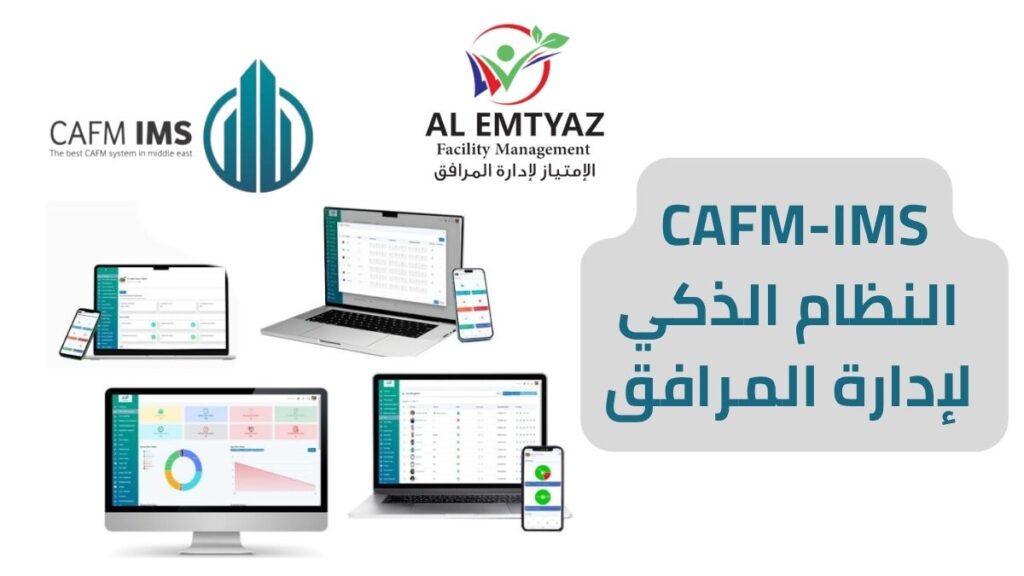
At AL Emtyaz Facilities Management, we provide a CAFM maintenance management system designed to help organizations move from reactive repairs to structured, proactive maintenance. The system combines automated maintenance scheduling, equipment records, technician assignments, notifications, and performance reports.
Instead of managing maintenance through disconnected spreadsheets and manual reminders, you can establish a planned preventive maintenance program based on equipment requirements, operating hours, and maintenance history.
The goal is straightforward: reduce unexpected equipment failures, improve asset reliability, extend equipment service life, and control long-term maintenance expenses.
Ready to improve your maintenance operations? Contact AL Emtyaz at 00962792240053 to request a free consultation and software demonstration and discover how preventive maintenance software can support your facility.
You can also contact our team directly through WhatsApp:
What Is Equipment Preventive Maintenance Software?
Preventive maintenance software is a digital solution used to plan, schedule, manage, and document routine equipment maintenance before unexpected failures occur.
Preventive maintenance focuses on planned inspections and servicing rather than waiting for equipment to break down. Maintenance activities may be scheduled at regular intervals, such as monthly inspections, quarterly servicing, or after a specified number of operating hours.
For example, a facility manager may schedule an HVAC inspection every three months, generator servicing after a defined operating period, or routine checks for pumps and electrical distribution systems.
Unlike reactive maintenance, which addresses equipment problems after they occur, preventive maintenance aims to identify wear, deterioration, and potential issues earlier.
Many organizations use a Computerized Maintenance Management System (CMMS) or Computer-Aided Facility Management (CAFM) software to organize preventive maintenance schedules, manage maintenance work orders, and track equipment history.
AL Emtyaz incorporates preventive maintenance management into its CAFM solution, enabling maintenance teams to organize asset information, schedule recurring tasks, monitor work progress, and maintain equipment service records.
By centralizing maintenance information, organizations can make informed decisions about equipment performance, maintenance priorities, and future maintenance requirements.
Why Is Preventive Maintenance Software Important?
Equipment reliability is essential for organizations that depend on HVAC systems, electrical networks, production equipment, pumps, generators, and other operational assets.
Without a structured maintenance program, inspections may be delayed, maintenance records can become difficult to track, and technical teams may spend more time responding to emergencies than preventing them.
Preventive maintenance management software helps organizations establish consistent maintenance procedures, improve equipment visibility, and reduce avoidable operational disruptions.
1. Reduce Unexpected Equipment Breakdowns
Regular inspections and scheduled maintenance help identify potential equipment problems before they develop into major failures. By following a structured maintenance schedule, technical teams can detect worn components, unusual operating conditions, and recurring issues earlier.
2. Lower Emergency Maintenance Costs
Emergency repairs may involve urgent spare parts, overtime labor, operational interruptions, and additional contractor expenses. Planned preventive maintenance allows organizations to schedule routine servicing in advance and manage maintenance expenditure more predictably.
3. Extend Equipment Service Life
Equipment that receives appropriate inspections, lubrication, adjustments, cleaning, and servicing is generally better positioned to maintain reliable performance throughout its expected operating life. Preventive maintenance helps organizations protect the value of their physical assets and avoid premature replacement where possible.
4. Improve Workplace Safety
Unmaintained electrical systems, mechanical equipment, and safety-related assets can create risks for employees and building occupants. Organized maintenance plans help teams complete required inspections, document identified defects, and prioritize corrective actions.
5. Minimize Unplanned Downtime
Unexpected downtime can interrupt production, affect building services, and reduce operational productivity. Equipment maintenance scheduling software helps maintenance teams plan servicing around operational requirements and reduce disruption caused by preventable failures.
6. Improve Equipment Efficiency and Sustainability
Properly maintained equipment may operate more efficiently and avoid unnecessary energy consumption caused by dirty filters, deteriorating components, or incorrect operating conditions. Preventive maintenance can therefore support energy management, resource efficiency, and long-term sustainability objectives.
With the right maintenance management system, facilities can replace scattered maintenance activities with a more consistent, measurable, and proactive approach.
Key Features of CAFM Preventive Maintenance Software
Modern CAFM preventive maintenance software offers more than a digital maintenance calendar. It connects equipment information, scheduled tasks, work orders, maintenance teams, and reporting tools within an organized operational workflow.
The CAFM solution provided by AL Emtyaz helps facility managers oversee maintenance activities and maintain greater visibility across equipment, buildings, and technical teams.
1. Automated Preventive Maintenance Scheduling
Preventive maintenance scheduling software enables organizations to create recurring maintenance plans for individual assets. Maintenance schedules can be structured around defined dates, maintenance intervals, or recorded equipment operating hours.
Instead of repeatedly creating the same task manually, maintenance teams can use automated scheduling to organize inspections, routine servicing, and upcoming maintenance activities.
2. Customized Maintenance Tasks for Different Equipment
Every equipment category has different maintenance requirements. The CAFM system allows maintenance plans to be organized according to asset type, location, and required servicing activities.
For example, an HVAC maintenance checklist may include filter replacement and coil inspection, while a generator maintenance plan may require fluid checks, operational testing, and inspection of electrical connections.
3. Automated Maintenance Reminders and Notifications
Maintenance teams can receive scheduled notifications about upcoming tasks through supported system or application notifications and email workflows. These reminders help supervisors and technicians identify maintenance deadlines and organize their daily workload.
4. Equipment Maintenance History and Asset Records
Each equipment asset can have a maintenance record containing previous inspections, completed work orders, reported faults, servicing activities, and relevant technical information.
This centralized equipment maintenance history makes it easier to review recurring problems, understand maintenance requirements, and support future replacement or repair decisions.
5. Mobile Maintenance Management
Mobile maintenance capabilities allow technicians to review assigned work orders, update task progress, and record maintenance observations while working on-site.
This reduces reliance on paper-based maintenance forms and helps supervisors follow maintenance progress without waiting for technicians to return to the office.
6. Maintenance Reports and Performance KPIs
Maintenance reporting and KPI dashboards help organizations evaluate completed tasks, delayed work orders, equipment performance, and maintenance expenditure.
Facility managers can use these reports to review preventive maintenance completion rates, identify recurring failures, and make informed decisions about resource allocation.
7. Work Order Prioritization and SLA Management
Maintenance tasks can be prioritized according to urgency, operational impact, and applicable Service Level Agreements (SLAs). This allows technical teams to focus on critical assets and time-sensitive maintenance requirements.
By combining scheduling, asset tracking, technician coordination, and reporting, CAFM software supports a more organized approach to preventive maintenance management.
Interested in seeing these features in practice? Request a free software demonstration from AL Emtyaz and explore how automated maintenance management can support your operations.
How Does Preventive Maintenance Software Work?
A successful equipment preventive maintenance program requires more than assigning maintenance dates. It involves building an asset register, defining maintenance procedures, scheduling work, assigning technicians, and analyzing maintenance performance.
With AL Emtyaz CAFM software, this process can be organized into seven practical steps.
Step 1: Register Equipment and Assets
The process begins by adding equipment to the system. Each asset record may include the equipment name, asset identification number, location, manufacturer, technical specifications, operational status, and relevant maintenance information.
Creating an organized equipment asset register provides a reliable foundation for planning maintenance across individual buildings or multiple facilities.
Step 2: Define Maintenance Requirements and Frequency
Maintenance managers establish the required servicing activities for each asset. These may include weekly inspections, monthly servicing, quarterly maintenance, annual testing, or maintenance after a specified number of operating hours.
The selected intervals should reflect equipment manufacturer recommendations, operating conditions, asset criticality, and applicable safety requirements.
Step 3: Generate Preventive Maintenance Schedules
Once maintenance intervals are defined, the system organizes recurring maintenance tasks and their scheduled dates. Automated scheduling helps maintenance departments maintain consistency across large numbers of assets.
Step 4: Notify and Assign Maintenance Technicians
Scheduled tasks can be assigned to the appropriate maintenance personnel. Technicians receive relevant work order information, including the asset, facility location, maintenance activity, and required completion date.
Step 5: Perform Maintenance and Update Work Orders
Technicians complete the required inspection or servicing activities and update the maintenance work order. They can document completed work, replaced components, identified defects, and additional maintenance recommendations.
With mobile maintenance tools, field updates can be recorded directly from the work location.
Step 6: Maintain a Complete Equipment Service History
Completed maintenance activities are recorded against the relevant asset. This creates an organized service history that supervisors can review when evaluating equipment reliability, recurring problems, and future maintenance requirements.
Step 7: Analyze Maintenance Performance
Maintenance reports help managers answer important operational questions:
- Which equipment experiences the most frequent breakdowns?
- Are preventive maintenance tasks being completed on schedule?
- Which assets generate the highest maintenance costs?
- Are technicians completing assigned work orders within required deadlines?
- Where can maintenance schedules and procedures be improved?
By connecting these steps within a single platform, preventive maintenance software helps organizations improve planning, reduce administrative work, and maintain better oversight of equipment servicing.
Types of Equipment That Benefit from Preventive Maintenance Software
Equipment maintenance management software can support a wide range of mechanical, electrical, industrial, and building systems.
Different equipment categories require different inspection intervals, maintenance checklists, and technical procedures. CAFM software allows organizations to maintain separate servicing plans while managing the information through one centralized platform.
1. HVAC and Cooling Systems
HVAC preventive maintenance is essential for maintaining heating, ventilation, and air conditioning system performance. Equipment such as chillers, Air Handling Units (AHUs), and Fan Coil Units (FCUs) requires regular inspections and servicing.
Maintenance plans may include filter cleaning, coil inspections, electrical checks, operating condition reviews, and other tasks appropriate to each HVAC system.
2. Generators and Water Pumps
Electrical generators, water pumps, and high-pressure pumping systems are important assets in many commercial, industrial, and residential facilities.
Preventive maintenance scheduling helps teams organize operational testing, component inspections, servicing requirements, and routine checks to support equipment readiness.
3. Electrical Distribution Systems
Electrical distribution panels, Ring Main Units (RMUs), and Uninterruptible Power Supply (UPS) systems require planned inspections and maintenance according to appropriate safety procedures.
Using electrical preventive maintenance software, facility managers can schedule inspections, document testing activities, and monitor required maintenance work across electrical assets.
4. Elevators and Escalators
Elevators and escalators require routine servicing and specialized safety inspections. CAFM software can help facilities track inspection schedules, maintenance records, and servicing activities carried out by qualified personnel.
5. Automatic Doors and Access Control Systems
Automatic doors, parking barriers, controlled-access entrances, and related systems benefit from planned inspections and equipment servicing.
A structured maintenance program helps teams organize equipment checks and address operational problems that could affect security, accessibility, or building operations.
6. Fire Protection and Alarm Systems
Fire extinguishers, sprinkler systems, and Fire Alarm Systems (FAS) require periodic inspection, servicing, and testing according to applicable regulations and safety standards.
Preventive maintenance software helps facilities schedule required activities, maintain inspection records, and follow up on identified maintenance issues.
7. Industrial Machinery and Mechanical Equipment
Industrial preventive maintenance software supports the organization of maintenance for manufacturing equipment, production lines, lifting machinery, conveyors, and other mechanical assets.
By organizing inspections, lubrication schedules, adjustments, and servicing records, industrial maintenance teams can improve maintenance consistency and equipment reliability.
8. Servers, Network Equipment, and Data Centers
IT infrastructure assets, including servers, networking equipment, and data center support systems, can also be included in organized asset maintenance programs.
Depending on equipment requirements, maintenance plans may cover physical inspections, environmental checks, cooling system servicing, and other relevant operational activities.
From individual pumps and electrical panels to industrial machinery and building infrastructure, CAFM software helps organize maintenance requirements according to each asset’s role and operating conditions.
Contact AL Emtyaz to explore how different equipment categories can be included in a centralized preventive maintenance management system.
How Preventive Maintenance Software Helps Reduce Maintenance Costs
Maintenance costs involve more than purchasing replacement parts or paying technicians. Organizations must also consider equipment downtime, emergency repairs, lost productivity, energy consumption, and premature asset replacement.
A structured preventive maintenance program can help control these expenses by improving maintenance planning and reducing avoidable operational disruptions.
1. Replace Emergency Repairs with Planned Maintenance
Emergency breakdowns can require urgent technician visits, expedited spare parts, and unexpected operational adjustments. Planned maintenance allows organizations to organize inspections and servicing during suitable maintenance windows.
Although preventive maintenance requires regular investment, well-designed maintenance plans can reduce the frequency and financial impact of avoidable equipment failures.
2. Reduce Downtime and Lost Productivity
Unexpected equipment failures may interrupt production or affect essential building services. Preventive maintenance scheduling helps facilities identify appropriate servicing periods and reduce the risk of disruptive breakdowns.
3. Improve Energy Efficiency
Equipment operating with clogged filters, worn components, or incorrect settings may consume additional energy. Routine maintenance helps preserve appropriate operating conditions and may contribute to more efficient energy use.
4. Avoid Premature Equipment Replacement
Unexpected failures and inadequate servicing can shorten an asset’s useful life. Regular preventive maintenance supports equipment reliability and can help organizations make better decisions about repairing, maintaining, or replacing valuable assets.
5. Improve Maintenance Budgeting and Financial Planning
Maintenance cost reporting gives managers better visibility into recurring maintenance expenses, equipment servicing requirements, labor allocation, and work order activity.
By reviewing maintenance history and planned servicing schedules, organizations can prepare more informed annual maintenance budgets and allocate resources more effectively.
Effective preventive maintenance is not simply about spending less on repairs. It is about using maintenance resources strategically to protect equipment, support business continuity, and improve long-term operational performance.
Speak with AL Emtyaz to discover how CAFM maintenance software can help you organize maintenance budgets, monitor equipment costs, and improve maintenance planning.
Managing Maintenance Teams with Preventive Maintenance Software
Managing equipment maintenance becomes more complex when an organization operates multiple buildings, locations, or specialized technical teams.
Maintenance team management software helps supervisors coordinate technician assignments, monitor work order progress, manage user access, and review maintenance performance from a centralized system.
- Organize maintenance teams by location or specialty: Divide technical staff into electrical, mechanical, HVAC, or location-based maintenance teams. This helps supervisors assign tasks according to operational requirements and technical responsibilities.
- Manage user roles and permissions: Assign appropriate access permissions for technicians, supervisors, and administrators. Different users can be given access to relevant maintenance records, work orders, and reporting functions according to their responsibilities.
- Track technician activities and work order progress: Record task assignments, work order status, completion details, and maintenance observations. Supervisors can review individual or team performance and identify delays in maintenance execution.
- Monitor maintenance productivity and completion rates: Review completed preventive maintenance tasks, overdue work orders, recurring equipment faults, and other operational indicators through maintenance reporting tools.
With better visibility into technician assignments and maintenance activities, organizations can improve workforce coordination and reduce unnecessary administrative work.
The CAFM solution provided by AL Emtyaz supports both equipment maintenance management and the organization of technical teams across different facilities.
Automated Preventive Maintenance Work Orders and Asset Tracking
One of the most valuable functions of modern preventive maintenance software is the ability to organize and generate maintenance work orders according to predefined servicing requirements.
Instead of relying entirely on manual reminders, organizations can establish maintenance triggers based on scheduled intervals, recorded operating hours, and configured asset maintenance rules.
1. Maintain Detailed Asset Information
Each registered asset can contain information such as installation date, equipment location, operating history, previous faults, maintenance activities, and replaced components.
These records provide useful information for planning future maintenance and evaluating equipment reliability.
2. Generate Maintenance Tasks Based on Defined Triggers
Automated maintenance work order software can use configured scheduling rules to initiate maintenance activities when predefined conditions are met.
For example, an equipment maintenance task may become due after 500 operating hours, while another asset may require an inspection every three months.
3. Customize Maintenance Rules for Individual Assets
Maintenance rules can be tailored according to the technical and operational requirements of different equipment categories.
Examples of configurable maintenance conditions include:
- Schedule an inspection after a defined number of operating hours.
- Create a recurring maintenance task every three months.
- Initiate an equipment review when maintenance history indicates repeated problems.
- Use available equipment condition or energy consumption data to support additional maintenance decisions where the required monitoring and integrations are configured.
4. Assign and Track Maintenance Work Orders
When a maintenance work order is created, it can be linked to the relevant equipment, facility location, assigned technician, and required maintenance procedures.
Supervisors can follow work order progress, review completed activities, and maintain accurate records for future reference.
This approach helps maintenance departments reduce repetitive manual scheduling and establish a consistent process for planned equipment servicing.
Integrating Preventive Maintenance Software with Other Business Systems
Many organizations use multiple digital systems for financial management, procurement, reporting, inventory management, and facility operations.
Connecting preventive maintenance software with relevant business applications can help organizations improve data consistency, reduce duplicate administrative work, and gain better visibility into maintenance expenditure.
Integration options for a CAFM environment may include enterprise resource planning systems, business intelligence platforms, and other applications, depending on the software configuration and available technical interfaces.
1. ERP Integration and SAP Maintenance Data
Integrating maintenance information with an Enterprise Resource Planning (ERP) platform, such as SAP, can support coordination between maintenance operations, procurement, asset management, and financial administration.
Depending on the integration architecture, relevant maintenance data may be exchanged to support purchasing workflows, asset cost tracking, and management reporting.
2. Power BI and Tableau Maintenance Reporting
Business intelligence tools such as Microsoft Power BI and Tableau can be used to analyze maintenance information when suitable data access and integration methods are available.
Maintenance dashboards may include:
- Number of completed maintenance work orders.
- Recurring equipment failures by asset or facility location.
- Monthly and annual maintenance costs.
- Preventive maintenance completion rates.
- Maintenance team productivity and performance KPIs.
3. API Integration with External Applications
Application Programming Interfaces (APIs) can provide a structured method for exchanging data between maintenance management software and other authorized business applications.
Potential integration requirements may involve inventory systems, procurement platforms, contractor management applications, or internal enterprise software.
Organizations should review their specific integration requirements with AL Emtyaz to determine the appropriate configuration, available interfaces, and implementation scope.
When implemented effectively, integrated maintenance management can help organizations make better operational decisions by connecting maintenance information with broader business processes.
Frequently Asked Questions About Preventive Maintenance Software
What is the main purpose of preventive maintenance software?
The main purpose of preventive maintenance software is to organize planned equipment inspections, servicing schedules, maintenance work orders, and asset records. It helps organizations reduce preventable breakdowns, improve equipment reliability, and manage maintenance activities more efficiently.
What is the difference between preventive maintenance software and a CMMS?
Preventive maintenance software focuses on planning and managing maintenance before failures occur. A Computerized Maintenance Management System (CMMS) typically provides broader maintenance functions, including work order management, asset records, maintenance scheduling, and reporting. Preventive maintenance is commonly an important component of a CMMS.
Can CAFM software manage preventive maintenance?
Yes. CAFM software can support preventive maintenance by combining equipment records, maintenance schedules, work orders, technician assignments, and reporting within a broader facility management environment.
Which industries can benefit from equipment preventive maintenance software?
Preventive maintenance software can benefit manufacturing facilities, hospitals, hotels, shopping centers, office buildings, educational institutions, industrial sites, and other organizations that operate equipment requiring routine inspection and servicing.
Can preventive maintenance software generate work orders automatically?
Yes. Preventive maintenance software can generate recurring maintenance work orders according to predefined dates, maintenance intervals, or supported operating-hour triggers. Available automation capabilities depend on the selected system and its configuration.
How does preventive maintenance software help reduce downtime?
By scheduling routine inspections and maintenance before equipment failures occur, organizations can identify potential problems earlier and arrange servicing at suitable times. This reduces the risk of avoidable breakdowns and helps protect operational continuity.
Is preventive maintenance software suitable for multiple facilities?
Yes. A centralized preventive maintenance system can help organizations organize asset records, maintenance teams, servicing schedules, and work orders across multiple buildings or locations.
Request a Free Demo of Equipment Preventive Maintenance Software
Reliable equipment is essential for maintaining safe, efficient, and uninterrupted facility operations. Managing maintenance through disconnected records and reactive repairs can create unnecessary costs and operational challenges.
With equipment preventive maintenance software, organizations can establish structured servicing schedules, automate recurring maintenance tasks, manage work orders, monitor technical teams, and maintain comprehensive equipment records.
The CAFM software provided by AL Emtyaz Facilities Management brings together important maintenance management functions to support better equipment planning, maintenance coordination, and operational reporting.
Whether you manage a factory, commercial building, hotel, hospital, or government facility, a well-organized maintenance management system can help you protect critical assets and improve long-term maintenance performance.
Take the next step toward more effective maintenance management.
Contact AL Emtyaz at 00962792240053 to request a free consultation and preventive maintenance software demonstration. Our team can help you explore how the CAFM system can be configured around your equipment, facility operations, and maintenance requirements.
From organizing equipment records to planning maintenance schedules and monitoring work orders, we can help you build a more structured approach to facility maintenance.
You can also reach our team through WhatsApp using the button below: