Low voltage at home and frequent power fluctuations can cause flickering lights, unstable appliance performance, and unexpected electrical interruptions. If your lights repeatedly dim and brighten, or electricity seems weak in different rooms, the problem may involve overloaded circuits, damaged wiring, loose electrical connections, or an unstable power supply.
AL Emtyaz provides professional low voltage repair and home electrical troubleshooting services in Jordan. Our team diagnoses electrical faults, investigates voltage fluctuations, inspects distribution panels, and recommends appropriate repairs to improve the safety and reliability of residential electrical systems.
Through our Electrical Services in Jordan, we help homeowners in Amman and other areas identify the causes of weak electricity, fluctuating voltage, and recurring electrical problems. Our approach focuses on finding the actual fault rather than simply treating the visible symptoms.
Whether your electricity becomes weak when an air conditioner starts, your lights unexpectedly get brighter and dimmer, or certain outlets provide an unreliable power supply, AL Emtyaz can help you investigate the problem and determine the necessary electrical repairs.
Request Low Voltage or Power Fluctuation Repair: 0798495491
You can also contact AL Emtyaz directly through WhatsApp to describe your electrical problem and request assistance:
How to Fix Low Voltage at Home: Professional Electrical Repair Steps
Experiencing low voltage at home can affect lighting, household appliances, and the overall reliability of your electrical installation. The issue may appear throughout the property or be limited to specific rooms, circuits, or electrical outlets.
Because several different faults can produce similar symptoms, identifying the root cause is essential before replacing electrical components or installing voltage regulation equipment.
AL Emtyaz follows a structured approach to diagnosing and repairing residential low voltage and unstable electricity problems.
1. Initial Electrical Inspection and Voltage Assessment
The first step in diagnosing weak electricity is evaluating the existing electrical installation and understanding when the voltage problem occurs.
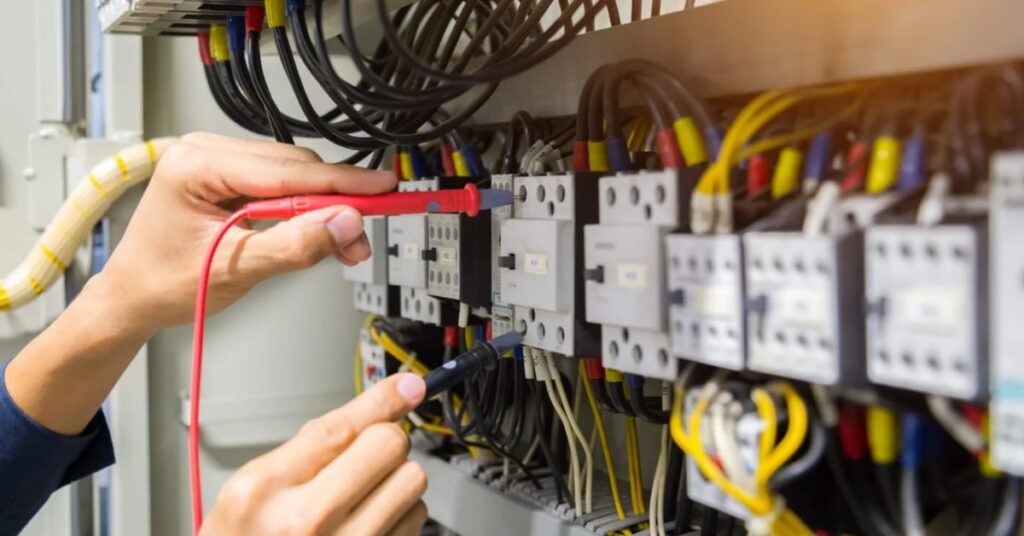
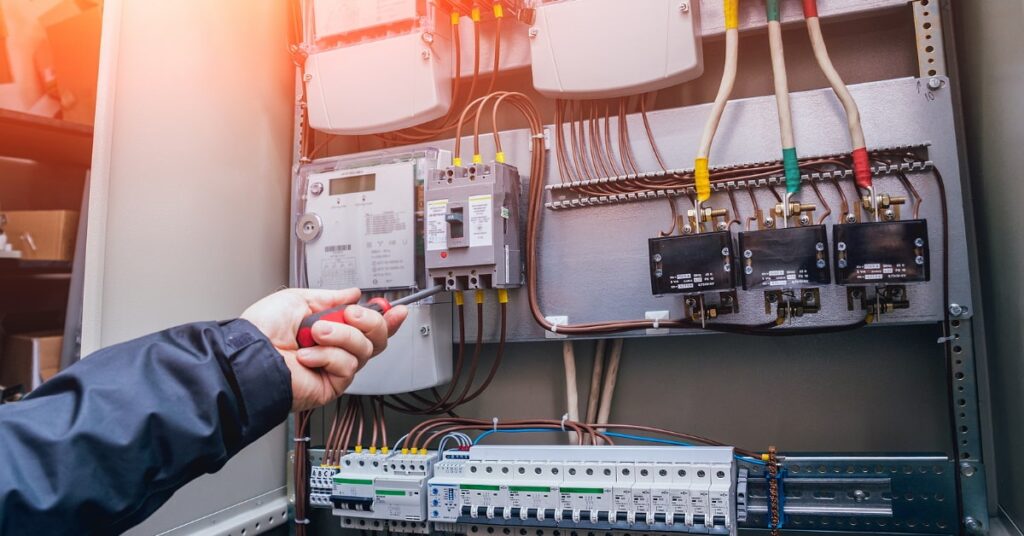
Our electrical team inspects relevant components, including the distribution board, circuit breakers, accessible wiring, electrical connections, switches, and outlets.
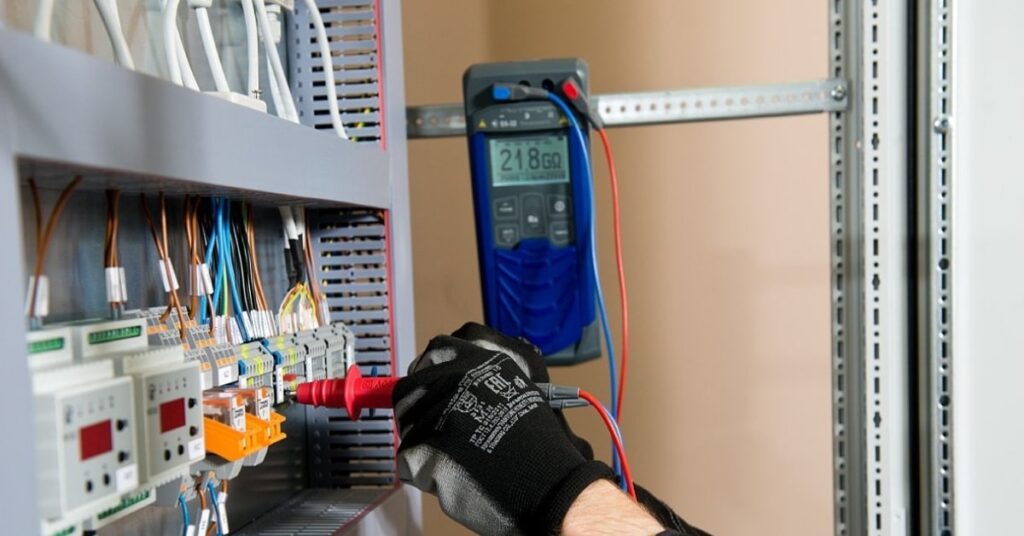
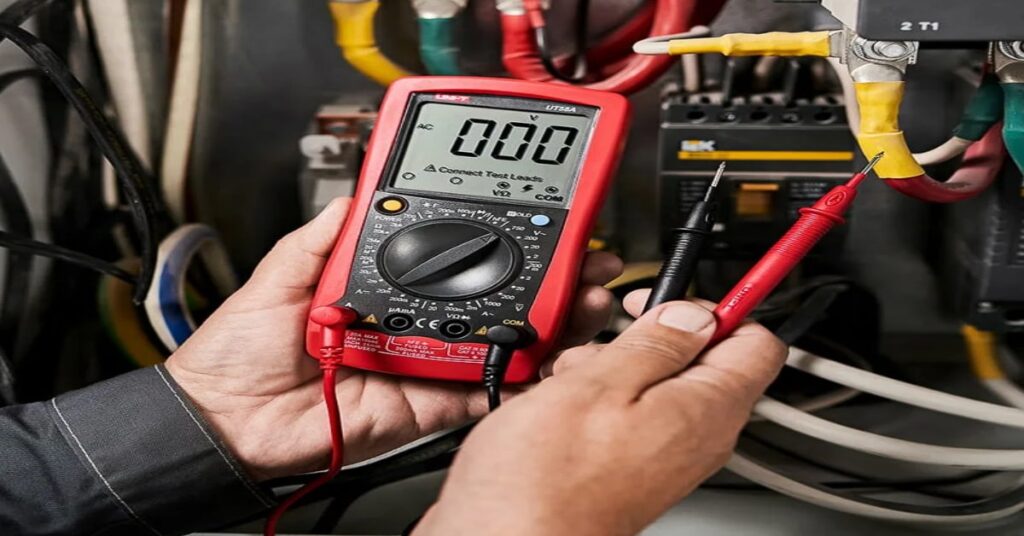
Appropriate electrical testing equipment may be used to measure supply voltage and identify unusual voltage drops or fluctuations under different operating conditions.
This assessment helps establish whether the problem is associated with a particular circuit, an electrical appliance, the main distribution system, or the incoming power supply.
2. Identifying the Root Cause of Low Voltage
Once the initial inspection is completed, the findings are reviewed to identify the most likely causes of the voltage problem.
Common causes of low voltage and power fluctuations include:
- Overloaded electrical circuits.
- Old, damaged, or undersized wiring.
- Loose electrical connections or faulty neutral conductors.
- Problems inside the electrical distribution panel.
- Voltage drops caused by high-power appliances.
- Unstable voltage from the electricity distribution network.
- Faulty voltage regulation or electrical equipment.
Accurate diagnosis helps avoid unnecessary repairs and ensures that the recommended solution addresses the underlying electrical fault.
3. Developing a Suitable Electrical Repair Plan
After identifying the likely cause, AL Emtyaz determines the necessary corrective work based on the condition of the electrical system and the nature of the fault.
The repair plan may involve replacing damaged conductors, correcting faulty connections, reviewing electrical load distribution, or repairing components inside the distribution system.
Where appropriate, additional electrical protection or voltage regulation equipment may be recommended after confirming that the wiring and supply conditions are suitable.
A voltage stabilizer is not a substitute for repairing damaged wiring, overheating connections, or other unsafe electrical faults.
4. Repairing Wiring, Connections, and Electrical Components
The required repairs are carried out according to the diagnosed problem and applicable electrical safety requirements.
Depending on the condition of the installation, the work may include replacing defective wiring, repairing electrical connections, addressing overloaded circuits, or replacing damaged switches and circuit breakers.
Any work involving energized equipment, distribution panels, or fixed electrical wiring must be handled by suitably qualified electrical personnel using appropriate isolation and testing procedures.
5. Testing Voltage Stability After Repairs
After completing the necessary repairs, the electrical installation is checked to determine whether the original symptoms have been resolved.
Depending on the fault, testing may include checking voltage readings, inspecting repaired connections, evaluating circuit behavior under normal loads, and verifying the operation of relevant protective equipment.
The objective is to confirm that the affected part of the electrical system operates within the expected conditions and that no identified defect remains unresolved.
6. Preventive Home Electrical Maintenance
Regular electrical maintenance can help identify deteriorating components and developing electrical faults before they cause more serious interruptions.
AL Emtyaz provides home electrical maintenance services that may include checking distribution panels, electrical connections, protective devices, and other components relevant to the property’s electrical condition.
Maintenance requirements depend on the age of the installation, electrical load, previous faults, and the condition of the building’s wiring.
7. Guidance on Safe Electrical Load Management
Once the immediate electrical issue has been addressed, the team can provide recommendations for using household electrical equipment within the available circuit capacity.
These recommendations may include avoiding overloaded outlets, reviewing high-power appliance connections, and arranging periodic inspections when warning signs appear.
By combining professional fault diagnosis, suitable repairs, and preventive maintenance, homeowners can improve the reliability of their electrical installations and reduce the likelihood of repeated voltage-related problems.
Why Does Electricity Get Weak and Strong at Home? Common Causes of Voltage Fluctuations
Electricity that repeatedly becomes weak and strong is commonly associated with voltage fluctuations at home. One of the most noticeable signs is lighting that suddenly becomes dimmer or brighter.
Some brief changes in lighting brightness may occur when large electrical appliances start. However, frequent, severe, or unexplained fluctuations can indicate electrical faults that require professional inspection.
Understanding the potential causes helps homeowners recognize when an electrical problem needs attention.
1. Overloaded Electrical Circuits
An electrical circuit can experience excessive demand when too many high-power appliances operate on a circuit that was not designed to support the combined load.
Heavy electrical demand may contribute to voltage drops, overheating, or circuit breaker trips, depending on the condition and design of the electrical installation.
For example, using several high-power appliances on the same unsuitable circuit may cause lights to dim or affect the operation of other connected equipment.
AL Emtyaz evaluates electrical loads and recommends appropriate improvements when the circuit arrangement or electrical capacity is inadequate.
2. Old, Damaged, or Undersized Electrical Wiring
Electrical wiring can deteriorate over time due to aging, mechanical damage, excessive heat, moisture, or unsuitable installation conditions.
Undersized conductors and high-resistance connections can also contribute to excessive voltage drop, particularly when electrical demand increases.
Signs of wiring problems may include unstable appliance performance, recurring lighting problems, overheating, or unusual electrical odors.
Professional inspection can help determine whether damaged wiring, poor connections, or unsuitable conductor sizes are contributing to the problem.
3. Loose Neutral Connections and Faulty Electrical Contacts
Loose or damaged electrical connections are important potential causes of unstable electricity. A deteriorating connection can produce an excessive voltage drop, intermittent operation, or localized overheating.
In certain electrical supply arrangements, a faulty neutral connection can cause particularly dangerous voltage imbalances, making some lights dim while others become unusually bright.
This situation may damage electrical equipment and create a serious safety hazard.
Important: If lights become abnormally bright and dim across multiple circuits, especially when accompanied by buzzing, burning smells, or unusual appliance behavior, stop using affected equipment and arrange urgent professional electrical assistance.
Do not open the electrical distribution panel or attempt to repair a neutral conductor yourself.
4. Problems with the Public Electricity Supply
Not every voltage problem originates inside the home. In some cases, low voltage or unstable electricity may be associated with the external electricity distribution network.
Network faults, transformer problems, or unusual demand conditions may affect the voltage delivered to connected properties.
If several nearby properties experience similar voltage fluctuations at the same time, the problem may involve the local electricity supply.
AL Emtyaz can inspect the home’s electrical installation and help determine whether the symptoms indicate an internal fault or require further investigation by the electricity distribution provider.
5. Faulty Voltage Stabilizers or Electrical Regulators
Voltage regulation devices are sometimes used to protect selected electrical equipment from supply voltage variations.
However, a damaged, incorrectly selected, or improperly installed voltage regulator may fail to provide the expected performance.
It is important to determine whether the regulator itself is defective or whether the underlying problem involves wiring, loading, or the incoming electrical supply.
AL Emtyaz can assess whether existing voltage regulation equipment is suitable and whether repair, replacement, or another corrective measure is needed.
6. Uneven Electrical Load Distribution
Some residential buildings use multi-phase electrical supplies to distribute power across different circuits and equipment.
In these installations, significantly uneven loading can contribute to voltage differences and other operating problems, particularly when combined with supply or connection faults.
Large appliances connected to heavily loaded circuits may also produce noticeable voltage changes when starting.
Professional load assessment helps determine whether the distribution of electrical demand is appropriate for the installation.
7. Severe Weather and Electricity Network Disturbances
Heavy rain, strong winds, storms, and other environmental conditions can occasionally affect electricity distribution equipment and overhead power lines.
Depending on the nature of the disturbance, properties may experience temporary voltage irregularities or power interruptions.
When electrical problems appear during severe weather, avoid approaching damaged cables, exposed electrical equipment, or fallen power lines.
Backup electricity solutions may be considered for properties that require continuity of supply, but backup systems must be correctly designed and installed with appropriate safety protections.
8. Electrical Interference and Faulty Equipment
Certain electrical appliances and electronic equipment can introduce disturbances into a building’s electrical system.
For example, equipment with large motors or rapidly changing power demands may contribute to noticeable lighting fluctuations.
Some electronic lighting systems may also flicker because of incompatible dimmer switches, defective LED drivers, or problems within the light fixture itself.
Electrical testing can help distinguish a local equipment problem from a wider voltage instability affecting the property.
9. Lack of Regular Electrical Maintenance
Electrical systems can develop faults gradually, especially in older buildings or properties where electrical loads have increased without reviewing the existing installation.
Connections may deteriorate, protective devices may become defective, and wiring insulation may be damaged over time.
Periodic electrical inspections help identify conditions that could contribute to voltage drops, unreliable connections, or safety hazards.
AL Emtyaz provides residential electrical inspection and maintenance services to help property owners address developing electrical problems.
10. Overloaded or Defective Electrical Distribution Panels
The electrical distribution panel is responsible for distributing electricity to circuits throughout the home and housing important protective equipment.
Problems involving damaged circuit breakers, loose internal connections, overheating, or inadequate panel capacity can affect electrical reliability and safety.
Adding air conditioners, electric water heaters, or other high-power appliances without checking the existing electrical capacity may place additional demand on the installation.
A qualified electrician can assess whether the distribution panel requires maintenance, component replacement, circuit reconfiguration, or an appropriate upgrade.
11. Faulty Grounding and Electrical Protection
Proper grounding and electrical protection are essential for household electrical safety.
A defective grounding system does not necessarily cause low voltage or make lights fluctuate, but it can increase the risk of electric shock and interfere with the intended operation of certain protective arrangements.
During electrical troubleshooting, grounding and protective devices may be inspected to identify unsafe conditions that require correction.
12. Air Conditioners and Other High-Power Household Appliances
Large appliances such as air conditioners, water pumps, refrigerators, and electric motors may draw a higher current when starting.
In some installations, this temporary current demand produces a brief voltage drop that causes nearby lights to dim.
Minor, momentary dimming is not always evidence of a serious fault. However, significant dimming, repeated flickering, breaker trips, or unusual appliance performance should be investigated.
AL Emtyaz can assess the electrical load and determine whether the appliance, circuit wiring, or power supply needs attention.
Flickering Lights and Lights Dimming and Brightening: What Do They Mean?
Flickering lights at home are among the most common warning signs of an electrical problem. The cause may be as simple as a defective lamp or as serious as a loose connection in the electrical supply.
Understanding where and when the flickering occurs can provide useful information for professional diagnosis.
Lights Flickering in One Room
When the problem is limited to one room, possible causes include a faulty lighting fixture, incompatible dimmer, damaged switch, or a wiring problem affecting that particular circuit.
An electrician can inspect the affected circuit and determine whether the fault is local to the lighting equipment or part of the fixed wiring.
Lights Flickering Throughout the Entire House
If several rooms experience flickering or changes in lighting brightness at the same time, the problem may involve a shared connection, distribution panel, incoming electrical supply, or another fault affecting multiple circuits.
Whole-house voltage fluctuations should not be ignored, particularly when lights become unusually bright or when electrical equipment behaves unpredictably.
Lights Dimming When the Air Conditioner Starts
A brief drop in brightness when an air conditioner or other motor starts may result from temporary starting-current demand.
However, severe dimming or repeated voltage problems can indicate that the electrical supply, circuit capacity, wiring, or appliance requires further inspection.
Lights Becoming Unusually Bright and Then Dim
Lights repeatedly becoming much brighter and then dimmer can indicate a serious voltage problem, particularly if it occurs across multiple circuits.
Potential causes include unstable incoming voltage or faulty electrical connections, including certain neutral connection faults.
For safety, stop using affected electrical equipment and arrange prompt professional inspection. Do not attempt to investigate live electrical connections yourself.
Home Electrical Repair Services for Low Voltage and Unstable Electricity
Residential electrical installations can experience different faults as wiring ages, electrical demand increases, or individual components deteriorate.
AL Emtyaz provides home electrical repair services in Amman and Jordan, including fault diagnosis, wiring repairs, electrical panel inspections, and troubleshooting for recurring power-related problems.
Common Electrical Problems We Help Diagnose
- Low voltage at electrical outlets: Unusually low supply voltage affecting connected equipment.
- Frequent voltage fluctuations: Repeated changes in supply voltage or lighting brightness.
- Flickering lights: Intermittent lighting caused by fixture, wiring, or supply problems.
- Frequent circuit breaker trips: Electrical interruptions potentially related to overloads or faults.
- Damaged electrical wiring: Deteriorated conductors or defective connections requiring repair.
- Faulty switches and sockets: Electrical accessories showing signs of damage, overheating, or unreliable operation.
- Electrical panel problems: Distribution board faults requiring professional inspection.
- Partial power loss: Electricity interruptions affecting specific rooms or circuits.
Electrical Fault Diagnosis and Troubleshooting
Effective electrical repairs begin with an accurate assessment of the fault.
Our team examines the reported symptoms, reviews the affected electrical components, and performs appropriate diagnostic testing to identify the likely source of the problem.
Depending on the findings, the recommended work may include repairs to wiring, switches, circuit breakers, electrical connections, or distribution equipment.
Electrical Wiring Repair and Replacement
Damaged or unsuitable electrical wiring can create voltage drops and serious safety concerns.
AL Emtyaz provides electrical wiring inspection and repair services to identify deteriorated conductors, defective connections, and wiring arrangements that may not be suitable for the current electrical demand.
Any necessary rewiring or replacement work should be determined by the actual condition of the installation and completed using properly rated components.
Circuit Breaker and Distribution Board Repair
Circuit breakers and distribution boards play an important role in the protection and organization of household electrical circuits.
Frequent tripping, unusual sounds, visible damage, or overheating may indicate faults that require professional attention.
Our electrical team can evaluate the condition of the panel and recommend repairs or replacement of defective components where necessary.
What Should You Do When Electricity Becomes Weak or Unstable at Home?
If your household electricity suddenly becomes weak or begins fluctuating, safety should come before attempting to restore normal operation.
Some warning signs may indicate overheating, damaged wiring, or other electrical faults that should not be handled without the necessary qualifications.
Safe Steps for Homeowners
- Observe the symptoms: Notice whether the problem affects one light, one room, or the entire property without touching exposed electrical components.
- Identify patterns: Note whether the fluctuations occur when air conditioners, water pumps, or other major appliances start.
- Avoid overloading circuits: Do not connect multiple high-power appliances to unsuitable extension cords or power strips.
- Stop using damaged equipment: Avoid outlets, switches, or appliances showing signs of burning, overheating, sparking, or electrical damage.
- Protect sensitive equipment: If it is safe to do so, disconnect nonessential electronics affected by severe voltage fluctuations.
- Contact a qualified electrician: Arrange professional inspection when the problem is frequent, severe, or unexplained.
- Report suspected supply faults: Contact the relevant electricity distribution provider when the problem appears to originate from the external network.
Electrical safety warning: If you notice smoke, burning smells, sparks, buzzing from electrical equipment, or unusually hot outlets, keep away from the affected area. Isolate the supply only if you can do so safely, and seek qualified assistance. In the event of fire or immediate danger, contact emergency services.
Never touch exposed wiring, open an energized electrical panel, or attempt to tighten electrical connections yourself.
Low Voltage from the Electricity Grid vs. Problems Inside Your Home
One of the most important parts of electrical voltage troubleshooting is determining whether the problem originates inside the property or from the external electricity supply.
Although the symptoms may look similar, the required action can differ significantly.
Signs of a Possible Internal Electrical Fault
- The problem affects only one room or a specific circuit.
- Lights flicker when a particular appliance is operating.
- A specific outlet or switch behaves abnormally.
- Circuit breakers trip repeatedly.
- There are unusual sounds, overheating, or visible damage around electrical components.
These symptoms may indicate an internal problem, although electrical testing is necessary to confirm the cause.
Signs of a Possible External Electricity Supply Problem
- Several neighboring properties experience similar fluctuations.
- The voltage problem affects the entire home rather than one circuit.
- Electrical irregularities coincide with a known local power disturbance.
- The problem persists despite the absence of an identified internal installation fault.
If the issue appears related to the electricity network, the local distribution provider may need to investigate and correct the supply fault.
AL Emtyaz can help assess the property’s electrical installation and identify when further coordination with the electricity provider may be appropriate.
Do Voltage Stabilizers Fix Low Voltage and Power Fluctuations?
Some homeowners consider installing a voltage stabilizer for home electricity when lights flicker or appliances are affected by an unstable supply.
A properly selected voltage regulator may help maintain a suitable output voltage for certain types of equipment when the input voltage varies within the device’s supported operating range.
However, voltage stabilizers are not a universal solution for every electrical problem.
They cannot safely compensate for defective electrical connections, overheating wiring, loose neutral conductors, or other faults that require direct repair.
When Might Voltage Regulation Be Appropriate?
- When documented supply voltage variations affect equipment that requires a more stable input.
- When the selected regulator is compatible with the equipment’s voltage and load requirements.
- When the electrical installation has been assessed and unsafe wiring faults have been ruled out or repaired.
- When a qualified professional determines that voltage regulation is suitable for the specific application.
AL Emtyaz can help assess the symptoms and determine whether voltage regulation equipment, electrical repairs, or further supply investigation is the appropriate next step.
The Importance of Regular Home Electrical Maintenance
Regular inspection and maintenance can help identify electrical problems before they develop into more serious faults.
For homes experiencing recurring voltage drops or power fluctuations, professional maintenance may also reveal deteriorating connections, overloaded circuits, or components that require replacement.
1. Reducing Electrical Fire and Shock Risks
Defective electrical wiring, loose connections, and damaged components can increase the risk of overheating, electric shock, and fire.
Professional inspections help identify these hazards and determine the corrective work needed to improve the electrical installation’s safety.
2. Improving Electrical System Reliability
Proper maintenance can help reduce interruptions caused by defective components and improve the reliability of the home’s electrical circuits.
Repairing high-resistance connections and unsuitable wiring arrangements may also reduce unnecessary electrical losses where such faults are present.
3. Protecting Household Appliances
Some appliances may be sensitive to sustained undervoltage, excessive voltage, or repeated electrical disturbances.
Maintaining a suitable power supply and correcting wiring faults can help reduce electrical conditions that might affect appliance operation.
4. Identifying Problems Before They Become More Serious
Electrical problems do not always appear suddenly. Some develop gradually as connections deteriorate or circuits are subjected to increasing loads.
Routine inspection can help identify warning signs such as overheating, damaged insulation, unsuitable protective devices, or inadequate electrical capacity.
AL Emtyaz provides home electrical maintenance and troubleshooting services to help homeowners make informed decisions about the condition of their installations.
Why Choose AL Emtyaz for Low Voltage Repair in Amman and Jordan?
Electrical voltage problems require careful diagnosis because similar symptoms can originate from very different faults.
AL Emtyaz provides residential electrical maintenance and repair services focused on identifying faulty components, investigating unstable supply conditions, and recommending practical corrective measures.
Our Home Electrical Troubleshooting Approach
- Detailed electrical assessment: Inspecting relevant circuits and components to understand the reported symptoms.
- Fault identification: Investigating possible causes of low voltage, flickering lights, and unstable electrical supply.
- Suitable electrical repairs: Recommending corrective work based on the identified fault.
- Electrical panel inspections: Checking distribution equipment and related connections where necessary.
- Preventive maintenance: Helping property owners identify conditions requiring further attention.
- Residential electrical support: Assisting homeowners with electrical maintenance and fault-related inquiries.
- Local service in Jordan: Providing electrical repair and maintenance solutions in Amman and other service areas.
Whether your home is experiencing intermittent voltage drops, frequent lighting fluctuations, or recurring electrical faults, contacting a professional electrician is an important step toward identifying the cause and restoring safe operation.
Frequently Asked Questions About Low Voltage and Power Fluctuations at Home
Why is the electricity weak in my house?
Weak electricity at home may result from low supply voltage, overloaded circuits, damaged or undersized wiring, loose electrical connections, or problems with the electricity distribution network. Professional electrical testing is needed to determine the actual cause.
Why do my lights keep dimming and brightening?
Lights that repeatedly dim and brighten may indicate voltage fluctuations, changes in electrical loading, defective lighting components, or loose electrical connections. Unusually large brightness changes, particularly across multiple rooms, should be checked urgently by a qualified electrician.
Can low voltage damage household appliances?
Yes. Sustained low voltage or unstable supply conditions can affect certain household appliances, particularly equipment with electric motors or sensitive electronic controls. The severity depends on the appliance design, voltage conditions, and duration of the disturbance.
Why do my lights dim when the air conditioner turns on?
An air conditioner may draw a higher current when its compressor or motor starts, causing a temporary voltage drop. Slight, brief dimming can occur, but severe or prolonged dimming may indicate an electrical problem that requires inspection.
Can a loose neutral connection cause power fluctuations?
Yes. Certain neutral connection faults can cause dangerous voltage imbalances, particularly in multi-phase electrical systems. Symptoms may include lights becoming unusually bright or dim and appliances behaving unpredictably. This condition requires urgent professional attention.
Will installing a voltage stabilizer solve low voltage problems?
A suitable voltage stabilizer may help with certain supply voltage variations, but it will not repair faulty wiring, loose connections, overloaded circuits, or damaged electrical components. The underlying cause should be diagnosed before selecting voltage regulation equipment.
How can I tell whether the voltage problem is inside my home?
Problems limited to one circuit or room may suggest an internal fault, while similar fluctuations affecting neighboring properties may indicate a supply issue. These are only clues; a qualified electrician can perform appropriate tests to identify the likely source.
Is it dangerous when lights flicker throughout the house?
Persistent whole-house flickering can indicate a potentially serious electrical fault, including a loose connection or unstable incoming supply. If you also notice burning smells, sparks, buzzing, overheating, or unusually bright lights, seek urgent professional assistance.
Can an electrician fix unstable electricity at home?
A qualified electrician can diagnose and repair many internal electrical faults that cause unstable voltage, including damaged wiring, faulty connections, and overloaded circuits. Problems originating from the external electricity network may require action by the electricity distribution provider.
How can I request low voltage repair in Amman, Jordan?
Contact AL Emtyaz at 0798495491 to discuss low voltage, flickering lights, or power fluctuations in your home. You can also send your service inquiry through WhatsApp.
Contact AL Emtyaz for Low Voltage and Power Fluctuation Repair in Jordan
Do not ignore recurring low voltage, flickering lights, or electricity fluctuations at home. These problems can affect daily comfort, interfere with appliance operation, and sometimes indicate electrical conditions that require urgent attention.
AL Emtyaz provides professional electrical fault diagnosis, residential electrical maintenance, wiring inspections, and repair services for homeowners experiencing unreliable electricity.
Our team can help investigate weak electrical supply, voltage drops, unstable lighting, overloaded circuits, and electrical panel problems to determine the appropriate corrective work.
Request home electrical troubleshooting and repair services in Amman or Jordan today. Contact AL Emtyaz to describe your electrical problem and discuss the available inspection and repair options.
Low Voltage and Power Fluctuation Repair – Call 0798495491
You can also contact us directly through WhatsApp using the button below: