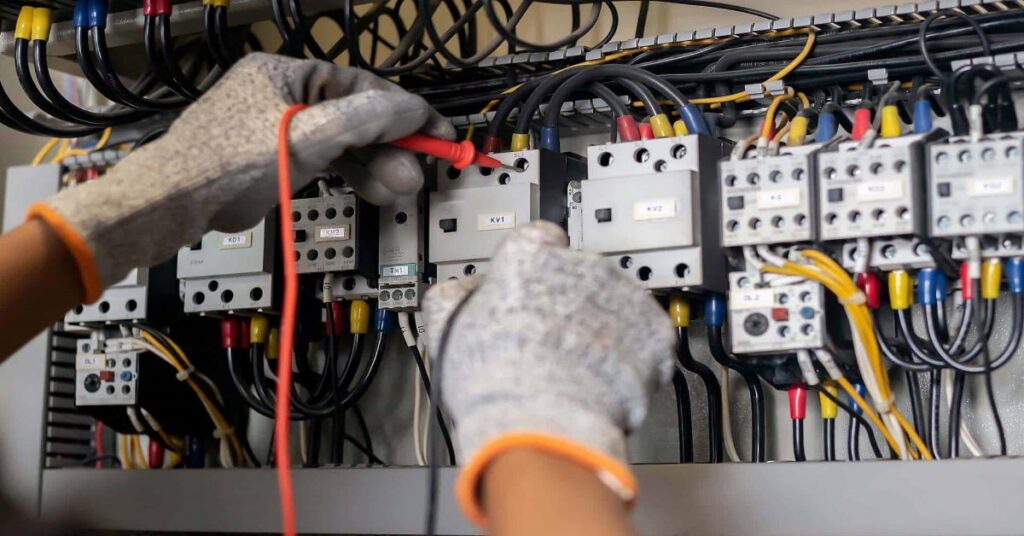
Are your lights flickering, dimming unexpectedly, or becoming brighter than usual? Are electrical appliances restarting or behaving strangely when other devices turn on? These symptoms may indicate home voltage fluctuations, loose electrical connections, overloaded circuits, or problems with the incoming power supply. AL Emtyaz provides professional voltage fluctuation inspection and repair services in Jordan, helping homeowners identify electrical faults and address their underlying causes.
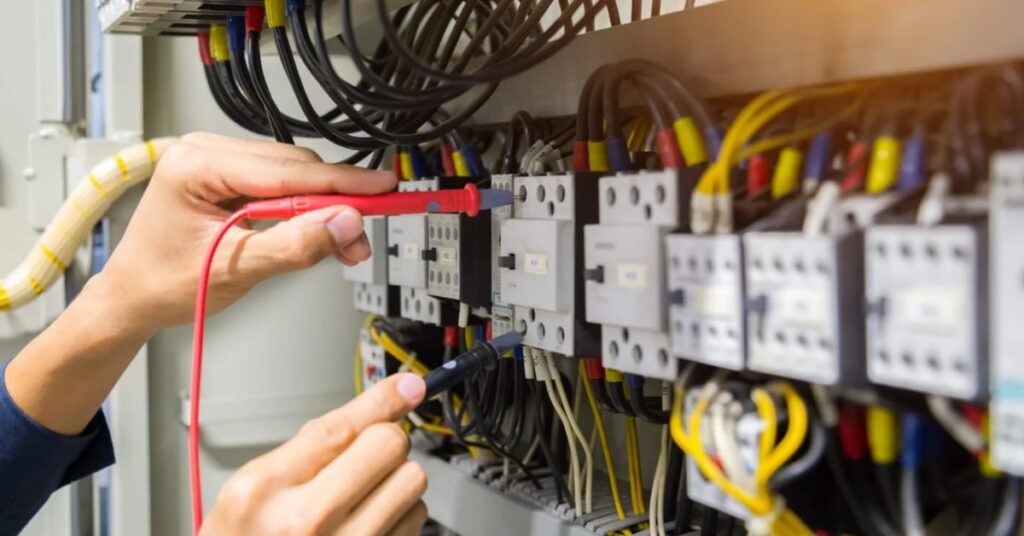
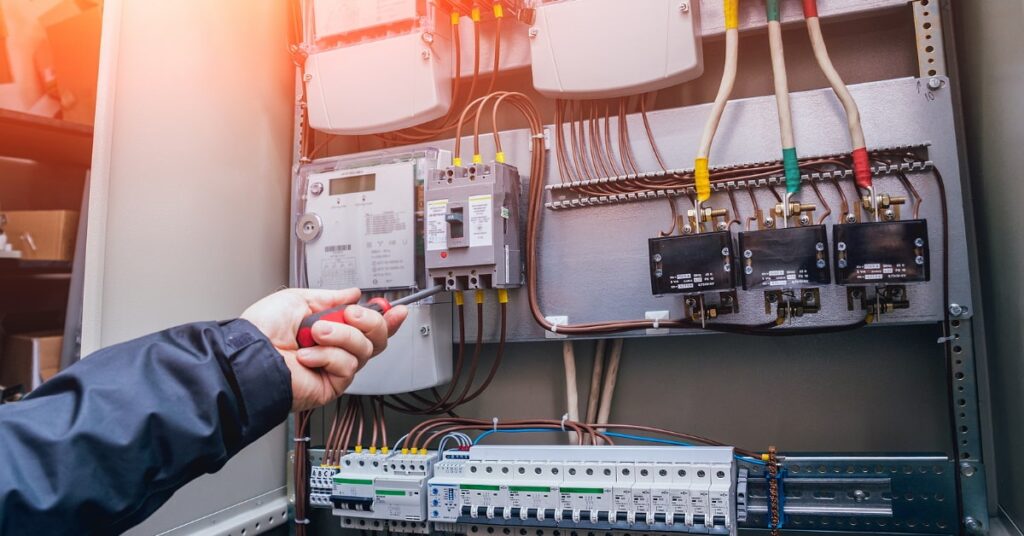
Our technicians use electrical testing equipment and diagnostic methods to investigate unstable voltage, flickering lights, power interruptions, and related electrical problems. As part of our comprehensive Electrical Maintenance in Jordan, we inspect household wiring, circuit breakers, electrical loads, grounding arrangements, and electrical connections to determine what may be affecting the power supply inside your home.
At AL Emtyaz, our approach goes beyond temporarily restoring electricity. We focus on identifying the source of the problem and recommending suitable electrical repairs or protective measures that can improve reliability and reduce the risk of equipment damage.
Whether you are experiencing flickering lights in your house, sudden voltage drops, unstable electricity, buzzing electrical outlets, or repeated power interruptions, our team can evaluate the electrical installation and help determine the appropriate next steps.
Request a home electrical inspection in Amman or Jordan. Call 0798495491 to discuss your voltage fluctuation problem, arrange an inspection, and request information about our electrical troubleshooting services.
You can also contact AL Emtyaz directly through WhatsApp using the button below.
How to Fix Voltage Fluctuations in Your Home
Solving voltage fluctuations in a house requires a systematic inspection of the electrical installation. A voltage problem can originate from an individual appliance, a lighting circuit, the main distribution board, or the external electricity supply.
Simply replacing a light bulb or installing a voltage stabilizer may not resolve the underlying problem. The correct repair depends on identifying where the voltage variation originates and why it occurs.
AL Emtyaz investigates the following areas when diagnosing unstable electricity:
1. Checking Overloaded Electrical Circuits
Electrical circuits are designed to carry a specific amount of current. When multiple high-power appliances operate on the same circuit, the electrical load may create noticeable voltage drops or expose weaknesses in existing wiring and connections.
Our technicians assess circuit loading and measure electrical current to identify whether heavy appliances or an unsuitable distribution of electrical loads may be contributing to the problem.
When necessary, we recommend appropriate improvements, such as redistributing electrical loads, repairing deficient connections, or installing additional circuits based on the capacity of the electrical system.
2. Inspecting Grounding and Electrical Protection
A properly designed grounding and protective system is essential for electrical safety. Although grounding does not directly regulate supply voltage, defective grounding arrangements or other electrical faults can increase the risk of electric shock and equipment damage.
AL Emtyaz inspects relevant grounding connections and protective arrangements to identify possible safety concerns and determine whether corrective work is required.
3. Testing Electrical Wiring and Connections
Loose, damaged, or deteriorated electrical connections can produce unstable voltage, localized heating, intermittent power interruptions, and flickering lights.
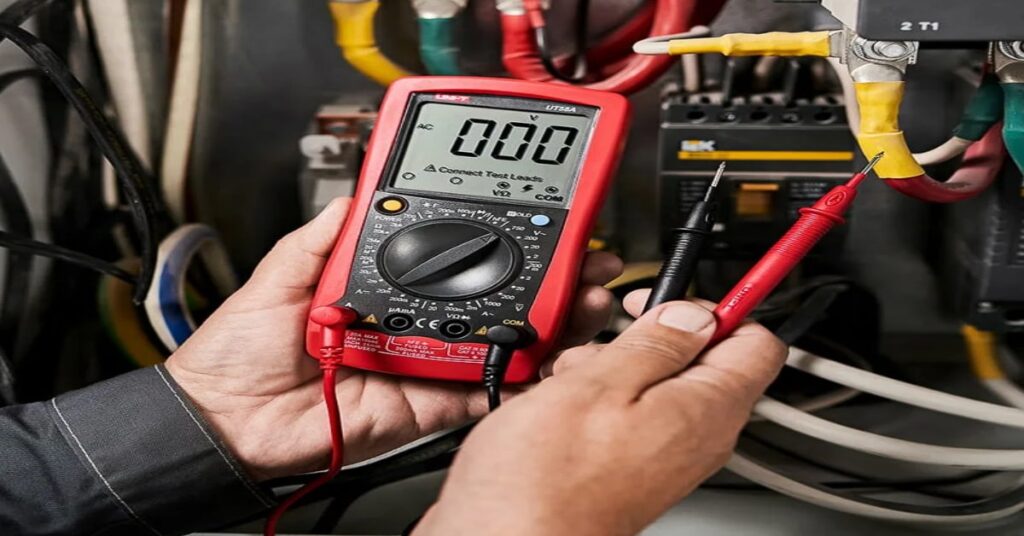
Our electrical inspection may include examining accessible wiring, connection points, circuit breakers, and distribution board components. Depending on the fault, technicians may use voltage testing equipment, current measurement tools, and thermal inspection methods to identify abnormal conditions.
Damaged wiring and defective connections are repaired or replaced according to the installation requirements and the condition of the affected circuit.
4. Examining Electrical Appliances and Lighting Circuits
Some electrical problems appear only when specific appliances are operating. Air conditioners, refrigerators, water pumps, and other motor-driven equipment may draw substantial current when starting.
Our technicians investigate whether the voltage fluctuation is associated with a particular appliance, lighting circuit, switch, or connection.
This helps distinguish between an appliance-related problem and a fault affecting the wider electrical installation.
5. Checking for Moisture and Water Exposure
Water leaks and excessive moisture near electrical installations can increase the risk of insulation failure, corrosion, short circuits, and electric shock.
When inspecting electrical faults, AL Emtyaz considers whether moisture has affected accessible wiring, electrical outlets, connection boxes, or other components.
If water exposure is suspected, the affected electrical installation must be assessed before being returned to normal service.
What Causes Flickering Lights and Power Fluctuations in a House?
Flickering lights in a house can be more than a minor inconvenience. Although some lighting problems are caused by individual bulbs or incompatible dimmer switches, persistent or widespread flickering may indicate a fault that requires professional electrical inspection.
Understanding the possible causes helps homeowners explain the symptoms accurately and allows technicians to investigate the problem more efficiently.
1. Loose or Damaged Electrical Wiring
Loose electrical connections are among the possible causes of intermittent power and unstable lighting. Poor contact between electrical conductors can lead to voltage changes, localized overheating, and electrical arcing.
Older wiring, deteriorated insulation, and damaged connection terminals may also contribute to unreliable electrical performance.
AL Emtyaz examines the relevant wiring and connections to identify faults and determine whether repair or replacement is necessary.
2. Electrical Circuit Overloading
Using several high-power appliances on the same electrical circuit may cause temporary voltage drops, particularly when equipment with electric motors starts operating.
For example, lights may briefly dim when an air conditioner or water pump starts. A small, momentary change is not always evidence of a serious fault, but repeated or significant dimming should be investigated.
Depending on the findings, our electricians may recommend adjustments to the circuit arrangement, improvements to wiring connections, or additional dedicated circuits.
3. Loose Neutral Connections
A damaged or loose neutral connection can create potentially dangerous electrical conditions. Depending on the electrical supply configuration, some lights may become unusually bright while others become dim.
Sudden or severe changes in brightness throughout the home require prompt professional attention because they may indicate a serious connection or supply problem.
Neutral connections and electrical distribution boards should only be inspected or repaired by qualified electrical personnel.
4. Electricity Supply and Utility Network Problems
Not every home voltage fluctuation originates inside the property. Problems with external power lines, utility transformers, neighborhood electrical loads, or weather-related disturbances can also affect the electricity supplied to a building.
When similar symptoms affect several nearby homes, the incoming electricity supply may need to be investigated by the responsible electricity distribution company.
AL Emtyaz can evaluate the building’s electrical installation and advise when the problem appears to require attention from the electricity provider.
5. Faulty Light Fixtures, LED Drivers, or Dimmer Switches
Flickering is not always caused by unstable household voltage. A defective LED driver, incompatible dimmer switch, or faulty light fixture may cause one lamp to flicker even when the rest of the electrical system is operating normally.
Our technicians can assess the affected lighting circuit and identify whether the problem is localized to the fixture or associated with a wider electrical fault.
Why Is There a Buzzing or Humming Electrical Sound in My House?
Unusual electrical buzzing, humming, crackling, or sizzling sounds may indicate a problem with an appliance, switch, electrical outlet, circuit breaker, or connection.
Some electrical equipment produces a normal operating hum. However, a new, persistent, or unusually loud sound should not be ignored, especially when accompanied by flickering lights, heat, a burning smell, or intermittent power.
Common sources of electrical buzzing include:
Buzzing from Electrical Outlets and Switches
A buzzing or crackling sound coming from an outlet or switch may indicate a loose connection, damaged contact, or electrical arcing.
These symptoms require professional inspection because defective connections can generate heat and present a fire hazard.
Humming from Electrical Appliances
Transformers, electric motors, and certain electronic components can produce audible humming during normal operation. However, excessive noise or a sudden change in the sound may indicate equipment deterioration or an electrical fault.
AL Emtyaz can inspect the relevant electrical supply and connections to help determine whether the problem is associated with the appliance or the building’s electrical installation.
Buzzing from the Electrical Distribution Board
Unusual noise coming from the electrical panel may indicate a defective component, loose connection, or other condition that requires technical inspection.
Homeowners should not open the electrical panel or attempt to tighten internal connections themselves. Such work must be carried out by qualified electrical personnel using appropriate safety procedures.
Electrical Noise Associated with Supply Problems
External electrical equipment, transformers, and other components of the power distribution network may produce operating sounds or develop faults.
When the suspected source is outside the property or associated with utility-owned equipment, the responsible electricity provider should investigate it.
Important safety warning: If an outlet, switch, or electrical panel produces crackling sounds, sparks, smoke, or a burning smell, avoid using the affected equipment and arrange urgent professional assistance. Do not touch damaged electrical components or attempt repairs yourself.
Can Low Voltage or Power Fluctuations Damage Home Appliances?
Yes. Low voltage and repeated power fluctuations can affect the operation of certain electrical appliances and may contribute to equipment damage, depending on the severity, duration, and design of the equipment.
Refrigerators, air conditioners, pumps, electronic devices, and other household equipment may respond differently to voltage disturbances.
Effects of Low Voltage on Electrical Appliances
When the supply voltage falls below the operating range required by an appliance, the equipment may fail to start, shut down unexpectedly, or operate abnormally.
For example, certain electric motors and compressors may experience difficult starting conditions or increased thermal stress during prolonged undervoltage.
Some modern electronic equipment can tolerate a broad input voltage range, while other devices are more sensitive. The actual effect depends on the equipment specifications and the type of electrical disturbance.
Effects of Voltage Spikes and Repeated Power Interruptions
Voltage spikes, switching disturbances, and repeated power interruptions can affect sensitive electronics and electrical components.
Possible symptoms include unexpected restarts, error messages, interrupted operation, and damage to vulnerable electronic components.
Identifying whether the disturbance originates from the internal wiring or the incoming electrical supply is an important step in selecting appropriate protective measures.
Protecting Appliances from Voltage Fluctuations
AL Emtyaz can assess the electrical installation and discuss suitable protective equipment according to the type of power quality problem.
Depending on the application, protective options may include voltage regulators, automatic voltage protection devices, surge protective devices, or uninterruptible power supplies for compatible equipment.
However, these devices serve different purposes and should not be treated as interchangeable solutions. A surge protector does not correct sustained low voltage, and a voltage stabilizer does not repair loose or damaged wiring.
The underlying electrical fault should be identified before protective equipment is selected.
How AL Emtyaz Diagnoses and Repairs Home Voltage Fluctuations
When a homeowner reports unstable electricity or flickering lights in Jordan, AL Emtyaz follows an organized troubleshooting process designed to identify the symptoms, locate the possible fault, and recommend suitable corrective work.
The exact inspection procedure depends on the reported problem and the electrical conditions found at the property.
1. Initial Electrical Fault Assessment
Our team begins by gathering information about the electrical symptoms. This may include when the voltage fluctuations occur, which rooms or appliances are affected, and whether the problem happens continuously or only when certain equipment starts operating.
Understanding these details helps technicians narrow down the possible causes before conducting further electrical tests.
2. Voltage Measurement and Electrical System Inspection
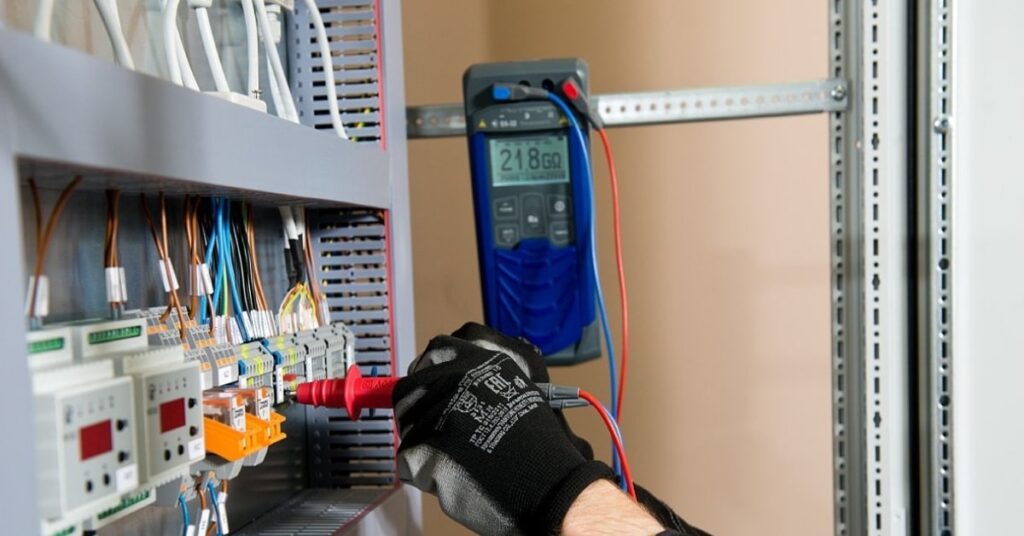
Technicians use suitable testing equipment to measure voltage and current at relevant points in the electrical installation.
The inspection may also include checking accessible wiring, switches, outlets, circuit breakers, protective devices, and grounding arrangements.
Where fluctuations are intermittent, additional monitoring may be considered to help identify variations that are not present during a short inspection.
3. Identifying the Source of the Voltage Problem
After reviewing the inspection findings, our technicians work to determine whether the problem is caused by an internal circuit, an electrical connection, an individual appliance, excessive loading, or the external power supply.
If the available evidence suggests a fault in utility-owned infrastructure, the homeowner may need to contact the responsible electricity distribution company for further investigation.
4. Performing Electrical Repairs and Improvements
Once the cause has been identified, AL Emtyaz recommends the appropriate repairs or modifications.
Depending on the inspection results, corrective work may include:
- Repairing defective electrical connections.
- Replacing damaged or deteriorated wiring.
- Repairing faulty switches, sockets, or circuit components.
- Correcting inappropriate electrical load distribution.
- Installing additional circuits when supported by the electrical design.
- Replacing defective protective devices with correctly specified components.
- Recommending voltage protection or regulation equipment when appropriate.
Any alterations to circuit protection must be compatible with the wiring and electrical system. Increasing a circuit breaker’s rating is not an acceptable substitute for correcting undersized wiring or an overloaded circuit.
5. Final Testing and Preventive Recommendations
After repairs are completed, the affected installation is checked to assess whether the identified fault has been addressed and whether the relevant electrical components are operating correctly.
Our team can also explain appropriate measures for reducing future electrical problems, such as avoiding circuit overloading, monitoring recurring symptoms, and arranging inspections when warning signs appear.
Electrical Inspection Reports and Recommendations After Voltage Testing
A professional home electrical inspection should help property owners understand the condition of the electrical installation and the reasons behind reported faults.
AL Emtyaz emphasizes documenting inspection findings and providing practical recommendations that help homeowners make informed decisions about electrical repairs and preventive maintenance.
Electrical Testing and Inspection Reports
Following an electrical inspection, our team can document relevant findings, measurements, identified faults, and corrective work performed.
Depending on the service scope, the report may include information about defective wiring, electrical connections, circuit loading, voltage measurements, and components requiring further attention.
Recommendations for Electrical Repairs
Based on the findings, technicians may recommend repairs, adjustments to electrical loads, replacement of damaged components, or additional protective equipment.
These recommendations are intended to address the identified problem and improve the reliability and safety of the electrical installation.
Preventive Electrical Maintenance Plans
Some homes may benefit from periodic electrical inspections, particularly where the wiring is older, electrical loads have increased, or previous faults have been identified.
AL Emtyaz can discuss a maintenance approach based on the property’s electrical infrastructure and operating requirements.
Homeowner Guidance and Electrical Safety
Our team provides guidance on recognizing warning signs, using electrical equipment appropriately, and understanding when professional electrical assistance is required.
Homeowners should avoid opening electrical distribution boards, modifying wiring, or attempting repairs to energized circuits.
Follow-Up Electrical Support
Where further evaluation or additional repairs are required, AL Emtyaz can discuss the next steps and appropriate follow-up arrangements.
This approach helps homeowners understand both the immediate electrical fault and any remaining recommendations for improving the condition of the installation.
Voltage Stabilizers and Home Voltage Regulators in Jordan
When homeowners experience unstable electricity, they often ask whether installing a voltage stabilizer for the home can solve the problem.
Voltage regulators and other protective devices can be useful in certain situations, but their effectiveness depends on the type of voltage disturbance, equipment capacity, and installation conditions.
AL Emtyaz can evaluate the electrical problem and discuss suitable voltage regulation and protection options when required.
Automatic Voltage Regulators (AVR)
An automatic voltage regulator, sometimes called a voltage stabilizer, is designed to maintain its output voltage within a specified operating range despite certain changes in the incoming supply voltage.
Voltage stabilizers may be used to protect compatible equipment from some types of sustained low or high voltage conditions, provided the incoming voltage remains within the regulator’s rated operating limits.
Choosing a suitable regulator requires considering its rated capacity, supported voltage range, connected loads, and installation requirements.
Whole-House Voltage Stabilizer Installation
Some properties may require voltage regulation for more than one appliance or circuit. In such cases, a properly designed whole-house voltage stabilizer may be considered after evaluating the electrical supply and connected loads.
Whole-house regulation systems must be selected and installed according to the property’s actual electrical requirements.
A voltage stabilizer should not be installed as a substitute for repairing dangerous wiring faults, loose connections, or defective electrical protection.
Uninterruptible Power Supply (UPS) Systems
An uninterruptible power supply provides temporary backup power to compatible connected equipment during certain interruptions, depending on the UPS design and battery capacity.
Some UPS models also incorporate voltage regulation, making them useful for selected computers, networking equipment, and other sensitive electronic devices.
However, a UPS is not automatically suitable for powering every household appliance, and its runtime and protection capabilities depend on its specifications.
Surge Protection and Voltage Protection Devices
Surge protective devices are designed to limit certain transient overvoltages, while dedicated voltage monitoring or protection devices may disconnect equipment when supply voltage moves outside configured limits.
These devices address different electrical conditions. Selecting appropriate protection requires identifying the actual power quality problem and understanding the limitations of each device.
Professional Installation and Maintenance
AL Emtyaz provides technical assistance with evaluating, selecting, and installing suitable voltage protection and regulation equipment according to the property’s electrical requirements.
We can also discuss maintenance and inspection requirements for the selected equipment to support reliable operation.
When Should You Call an Electrician for Flickering Lights?
Occasional flickering from a single light fitting may be caused by the bulb, LED driver, or dimmer compatibility. However, persistent or widespread electrical symptoms can indicate more serious faults.
Arrange a professional electrical inspection if you notice:
- Lights repeatedly flickering or dimming throughout the house.
- Light bulbs becoming unusually bright or changing brightness unexpectedly.
- Frequent circuit breaker trips or repeated power interruptions.
- Buzzing, crackling, or sizzling sounds from outlets, switches, or electrical panels.
- Electrical appliances repeatedly restarting or shutting down unexpectedly.
- Electrical outlets or switches that appear damaged, discolored, or unusually warm.
- A burning smell, visible sparks, or other signs of electrical overheating.
Safety notice: Burning smells, smoke, sparks, and severe brightness fluctuations may indicate an urgent electrical hazard. Stop using affected equipment, avoid touching damaged electrical components, and seek immediate qualified assistance. If it is safe to do so, disconnect power to the affected area; otherwise, keep clear and contact the appropriate emergency service.
Why Choose AL Emtyaz for Electrical Troubleshooting in Jordan?
Diagnosing electrical voltage problems requires more than observing flickering lights. An effective inspection should consider the electrical load, wiring condition, protective components, affected appliances, and incoming supply.
AL Emtyaz provides electrical fault diagnosis and voltage fluctuation repair services for homeowners in Amman and other areas of Jordan, subject to service availability.
Our approach includes:
- Electrical fault investigation: Examining possible causes of unstable voltage, flickering lights, and intermittent power.
- Voltage and current testing: Using suitable measuring equipment to evaluate relevant electrical conditions.
- Wiring and circuit inspection: Assessing accessible electrical connections, protective devices, and circuit loading.
- Targeted electrical repairs: Recommending corrective work based on identified problems rather than relying on temporary solutions.
- Voltage protection solutions: Evaluating appropriate regulators and protective equipment when required.
- Technical recommendations: Explaining inspection findings and suggesting suitable maintenance measures.
- Residential electrical services: Supporting electrical troubleshooting and maintenance requirements in homes and residential properties.
Our objective is to identify the source of electrical instability, perform appropriate corrective work within the scope of our service, and help homeowners understand how to maintain a safer and more reliable electrical installation.
Frequently Asked Questions About Home Voltage Fluctuations
Why are the lights flickering in my house?
Flickering lights may be caused by defective bulbs, incompatible LED dimmers, loose electrical connections, overloaded circuits, voltage fluctuations, or problems with the electricity supply. Persistent or widespread flickering should be investigated by a qualified electrician.
Why do my lights dim when the air conditioner starts?
Air conditioners and other motor-driven appliances can draw a higher current when starting, sometimes causing a brief voltage drop. If the dimming is severe, persistent, or accompanied by other electrical problems, the circuit and electrical supply should be inspected.
Can low voltage damage a refrigerator or air conditioner?
Prolonged or severe low voltage can affect certain motors and compressors, potentially causing starting problems, abnormal operation, or overheating. The level of risk depends on the appliance and its protective features.
Why does the electricity fluctuate throughout my entire house?
Whole-house voltage fluctuations may be associated with the main electrical panel, incoming service connections, a neutral fault, or the external utility supply. Because some of these conditions can be dangerous, a professional electrical inspection is recommended.
Why is there a buzzing sound coming from an electrical outlet?
Buzzing or crackling from an electrical outlet may indicate a loose connection, damaged component, or electrical arcing. Stop using the affected outlet and arrange professional inspection. Do not attempt to repair the wiring yourself.
Will a voltage stabilizer stop lights from flickering?
A voltage stabilizer may help with certain supply voltage variations if it is correctly selected and installed. However, it will not repair defective wiring, loose connections, or faulty lighting components. The cause of the flickering should be identified before choosing a stabilizer.
Can a surge protector fix low voltage problems?
No. Surge protectors are intended to limit certain transient overvoltages. They do not regulate sustained low voltage or correct electrical wiring faults. Different voltage disturbances require different protective solutions.
How can I tell whether the problem is in my house or from the electricity company?
Symptoms affecting several nearby properties may suggest an external electricity supply issue, while problems limited to one circuit or room may indicate a local fault. However, these observations are not conclusive. Electrical testing is required to investigate the source safely.
Does AL Emtyaz provide home electrical inspections in Amman?
Yes. AL Emtyaz provides services related to electrical fault diagnosis, voltage testing, and troubleshooting for homes in Amman and other locations in Jordan, according to service availability.
How much does voltage fluctuation repair cost in Jordan?
The cost depends on the type of electrical fault, inspection requirements, wiring condition, replacement components, and the repairs needed. Contact AL Emtyaz at 0798495491 to explain the problem and request information about inspection and repair costs.
Contact AL Emtyaz for Home Voltage Fluctuation Repair in Jordan
Unstable electricity, flickering lights, repeated power interruptions, and unusual electrical sounds should not be ignored. Identifying the underlying problem can help reduce electrical hazards, prevent avoidable equipment damage, and improve the reliability of your home’s electrical installation.
AL Emtyaz provides home voltage fluctuation inspection, electrical fault diagnosis, flickering lights troubleshooting, wiring inspection, and electrical repair services in Jordan. Our team can evaluate the reported symptoms and recommend appropriate solutions based on the condition of your electrical system.
Whether the problem involves loose wiring, overloaded circuits, defective electrical components, or suspected power supply fluctuations, contact our team to discuss the inspection requirements and available service options.
Book your home electrical inspection today. Call 0798495491 to request assistance with voltage fluctuations, flickering lights, and related electrical problems in Amman and Jordan.
You can also contact AL Emtyaz directly through WhatsApp using the button below.