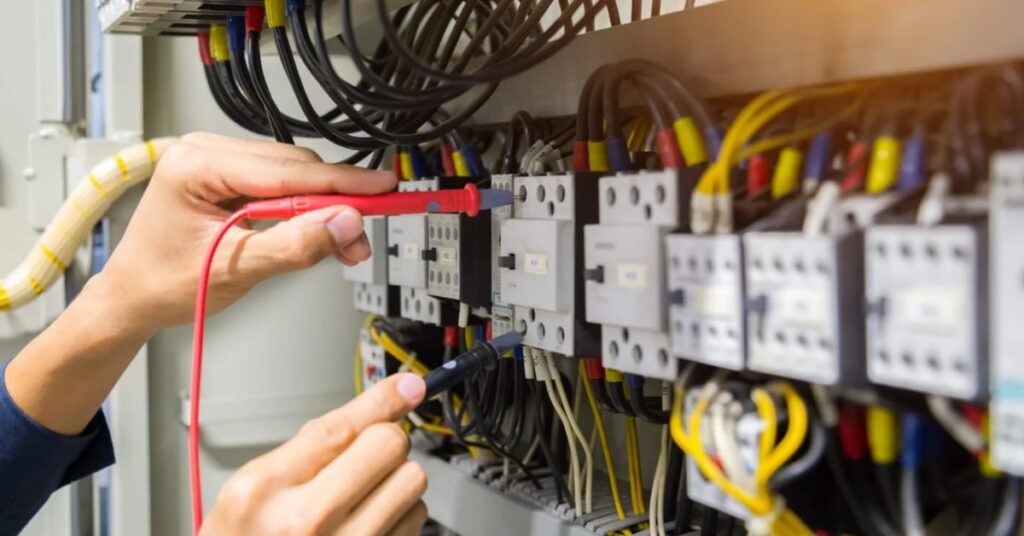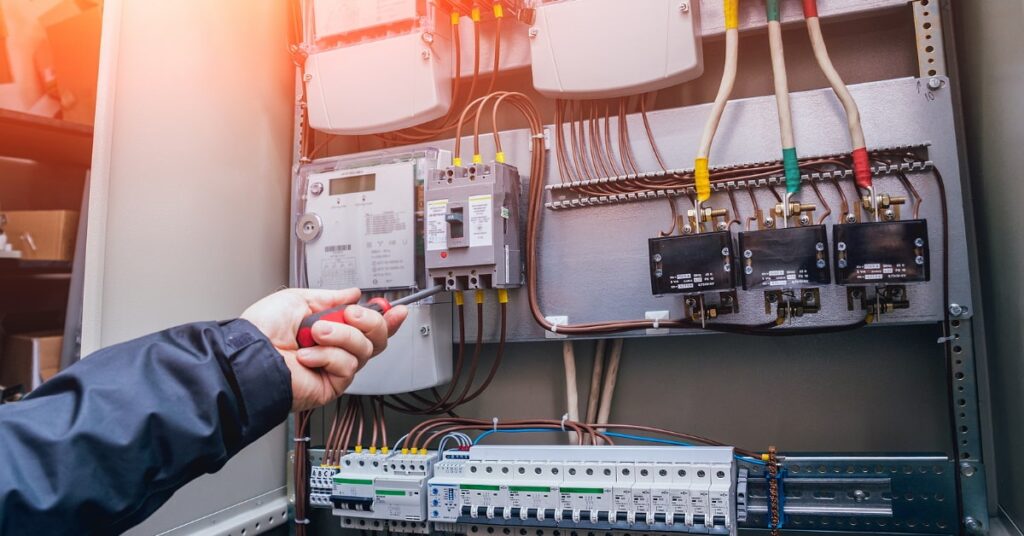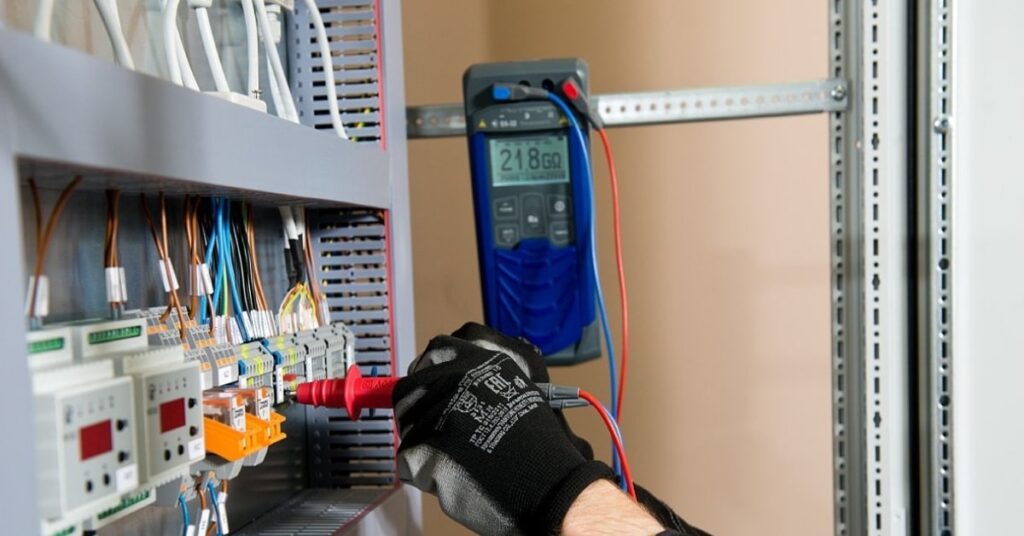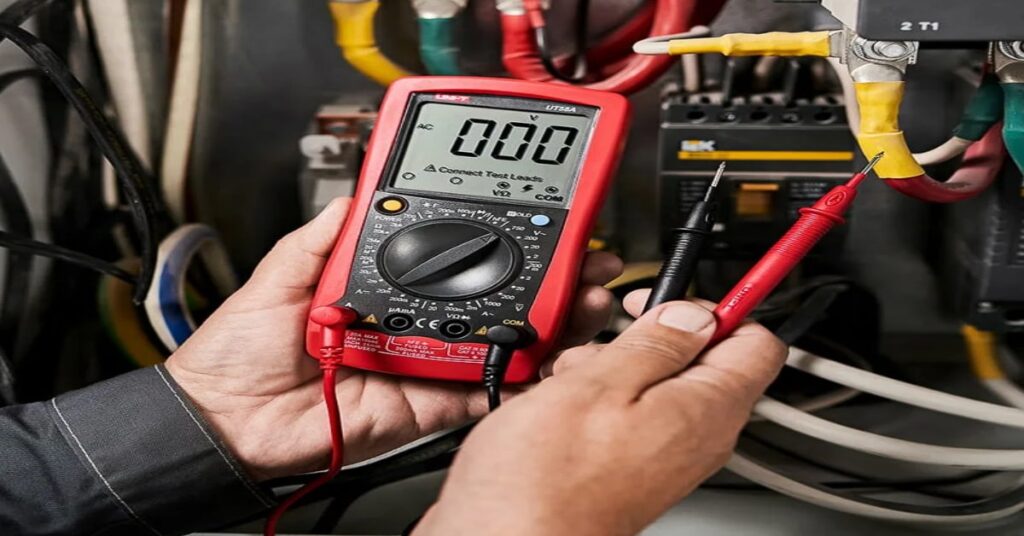
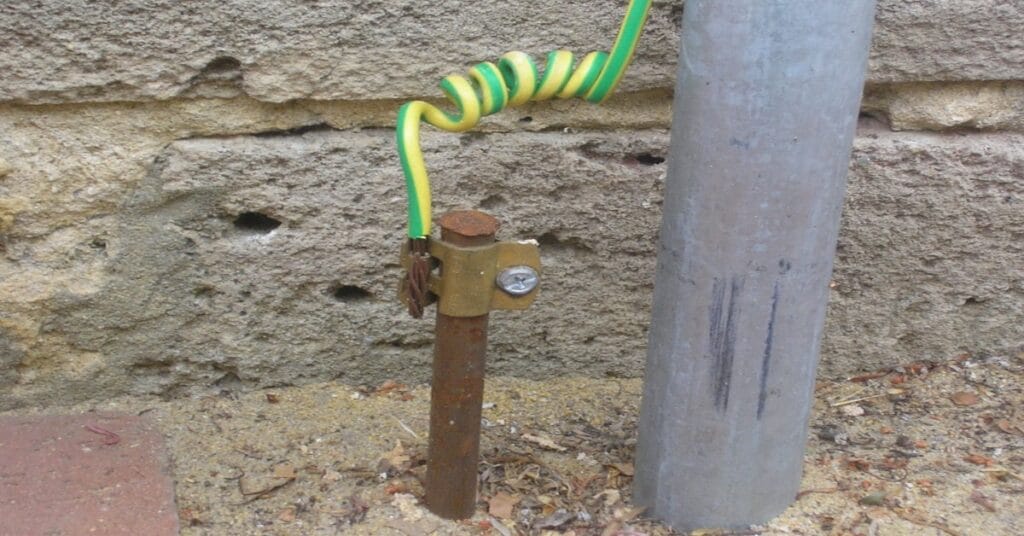
Electrical grounding system testing in Jordan is an essential service for assessing electrical safety in residential buildings, commercial properties, industrial facilities, and other installations. A properly designed and maintained grounding system helps protective devices operate under fault conditions and reduces the risk of dangerous electric shocks and equipment damage.
AL Emtyaz Facilities Management provides professional electrical grounding and earthing system inspection services in Amman and Jordan. Our electrical team uses specialized testing equipment to evaluate grounding connections, earth electrodes, ground resistance, soil resistivity, and other components that affect the performance of an electrical earthing system.
Grounding inspections are an important part of our comprehensive Electrical Services in Jordan, which include electrical maintenance, fault diagnosis, installation inspections, and electrical safety assessments for different types of buildings and facilities.
Whether you need an earth resistance test, grounding rod inspection, soil resistivity measurement, or an assessment of an existing electrical grounding system, AL Emtyaz can review your requirements and recommend suitable inspection and maintenance work.
Request electrical grounding system testing in Jordan. Contact AL Emtyaz on 0798495491 to discuss the inspection, request technical information, or arrange an assessment for your property.
You can also contact our team directly through WhatsApp:
Professional Electrical Grounding and Earthing Testing in Jordan
An electrical grounding system, also known as an earthing system, is an important part of an electrical installation. It works alongside protective conductors, circuit breakers, residual current devices, and other safety arrangements to help manage electrical faults.
Grounding systems require appropriate inspection because connections may deteriorate, electrodes may corrode, and environmental conditions can affect earth resistance over time.
AL Emtyaz offers grounding system inspection and testing services to evaluate the condition of installed components, identify possible deficiencies, and determine whether maintenance or improvement is required.
Our grounding inspection services may include:
- Earth resistance testing: Measuring the resistance of suitable grounding electrodes and earthing arrangements.
- Soil resistivity testing: Evaluating soil characteristics relevant to grounding system design.
- Grounding conductor inspection: Checking accessible protective earth conductors and their connections.
- Ground rod inspection: Assessing accessible earth electrodes and their connection conditions.
- Grounding and bonding checks: Reviewing relevant connections between conductive components.
- Electrical safety assessment: Identifying grounding-related conditions that may require corrective action.
- Grounding system maintenance: Recommending suitable repairs, upgrades, and periodic inspections.
- Lightning protection grounding inspection: Reviewing relevant grounding connections associated with lightning protection where included in the service scope.
The exact testing procedures depend on the system design, accessibility, electrical installation, and applicable technical requirements.
When Do You Need an Electrical Grounding System Inspection?
A grounding inspection may be required when electrical problems appear, when a building undergoes major electrical modifications, or when the condition of its existing earthing system is uncertain.
Common situations where electrical earthing testing may be appropriate include:
- Electrical shocks: A person experiences a shock or tingling sensation when touching an appliance or conductive surface.
- Recurring electrical faults: Protective devices disconnect repeatedly or electrical equipment develops unexplained problems.
- New building inspections: A property owner wants to assess the electrical installation before occupancy or handover.
- Electrical system upgrades: Major modifications may require the existing grounding arrangement to be reviewed.
- Corrosion or deterioration: Visible damage to grounding conductors, electrodes, or connections raises concerns about their condition.
- Commercial and industrial maintenance: Facility operators need scheduled inspections of electrical safety systems.
- Grounding system redesign: Measurements are needed before installing additional electrodes or upgrading an existing earthing arrangement.
An electrical shock, burning smell, or exposed conductor should be treated as a potential immediate hazard. The affected equipment should not be used until qualified personnel have assessed the situation.
Electrical Grounding Consultation and System Upgrades
In addition to grounding system testing in Jordan, AL Emtyaz provides technical consultation and improvement recommendations for electrical earthing installations.
Existing grounding systems may require maintenance or upgrades because of building expansion, equipment changes, damaged components, or inspection results that do not meet the project’s applicable requirements.
Assessment of the Existing Grounding System
Our electrical team reviews the available grounding system components, relevant installation information, and reported electrical problems. The assessment helps identify possible weaknesses and determine whether further testing is necessary.
Customized Grounding Improvement Recommendations
When testing reveals a grounding deficiency, our team can recommend suitable corrective measures according to the existing system, soil conditions, installation requirements, and applicable standards.
Recommendations may involve improving electrical connections, repairing protective conductors, replacing deteriorated electrodes, or reviewing the overall grounding design.
Grounding System Upgrades and Component Replacement
Where appropriate, grounding system improvements can include replacing damaged components or installing additional equipment according to a suitable engineering design.
Any modifications should be based on the required electrical protection arrangements and verified using appropriate inspection and testing procedures.
Technical Guidance for Maintenance Teams
AL Emtyaz can provide guidance to facility maintenance teams concerning grounding system inspection, component condition, and the importance of documenting maintenance activities.
Periodic Grounding System Follow-Up
For installations requiring ongoing maintenance, periodic earth resistance measurements and inspection of grounding connections can help detect changes in system condition.
Inspection frequency should reflect the type of facility, electrical system design, operating environment, and applicable requirements.
Soil Resistivity Testing for Electrical Grounding System Design
Soil resistivity testing in Jordan is an important service when designing, evaluating, or upgrading an electrical grounding system.
Soil resistivity describes how strongly the ground resists the flow of electrical current. It is influenced by soil composition, moisture, temperature, mineral content, and other site conditions.
These characteristics can affect the selection, depth, arrangement, and number of grounding electrodes required for an installation.
AL Emtyaz provides soil resistivity measurement and grounding assessment services to support informed decisions about earth electrode design and grounding system performance.
How Is Soil Resistivity Measured?
Soil resistivity can be assessed using specialized electrical testing equipment. One established approach is the Wenner four-point method, which uses four test electrodes arranged in the ground to obtain resistivity measurements.
Measurements may be taken at different electrode spacings and suitable locations to investigate variations in soil resistivity. The results help qualified professionals evaluate how soil conditions may influence grounding system design.
The testing approach depends on site accessibility, existing underground services, the project requirements, and the ground conditions.
Benefits of Soil Resistivity Measurement
- Better grounding design: Provides information to help engineers select appropriate grounding electrode arrangements.
- Identification of difficult soil conditions: Helps evaluate ground conditions that may affect earth resistance.
- More informed installation planning: Supports decisions about electrode placement, depth, and grounding configuration.
- Reduced unnecessary modifications: Accurate measurements may help avoid unsuitable grounding solutions and repeated corrective work.
- Technical documentation: Provides useful data for design reviews and future system assessments.
- Support for applicable standards: Helps designers evaluate grounding arrangements against the requirements relevant to the installation.
Soil resistivity and earth electrode resistance are related but different measurements. Soil resistivity is generally expressed in ohm-metres, while grounding resistance is measured in ohms.
Why Electrical Grounding System Testing Is Important
Electrical grounding systems are designed to work with other protective measures to reduce the consequences of electrical faults. Poor grounding connections, damaged protective conductors, or unsuitable earthing arrangements can compromise electrical safety.
Regular earthing system inspections can help identify deterioration and provide information about whether the grounding installation remains appropriate for its intended purpose.
Reducing Electric Shock Risks
Protective earthing helps maintain appropriate fault-current paths and supports the operation of electrical protective devices. Its effectiveness depends on the complete electrical protection arrangement, not simply the presence of a grounding rod.
Protecting Electrical Equipment
A correctly designed grounding and bonding arrangement can help reduce certain electrical hazards affecting equipment. Additional protective devices may be needed for surge protection and other conditions.
Identifying Corrosion and Connection Problems
Grounding electrodes and connections can deteriorate over time. Inspection helps identify visible corrosion, loose connections, damaged conductors, and other conditions requiring maintenance.
Supporting Building Electrical Safety
Grounding system testing can form part of a broader electrical safety inspection for residential, commercial, and industrial installations.
Grounding Wire and Protective Earth Conductor Inspection
Grounding conductors, also called protective earth conductors, help connect exposed conductive equipment parts to the electrical protective earthing arrangement.
Damaged conductors, unsuitable connections, or interrupted protective paths can affect the performance of the electrical safety system.
Our inspection of grounding conductors can include:
- Checking accessible grounding wires for visible damage.
- Inspecting connection points and conductor terminations.
- Identifying corrosion or deterioration affecting connections.
- Reviewing the condition of relevant protective conductors.
- Performing appropriate continuity testing where required.
- Assessing connections to the grounding electrode arrangement.
The findings help determine whether the protective conductors or associated connections require repair, replacement, or additional evaluation.
Ground Rod and Earth Electrode Inspection Services
Ground rods and earth electrodes are components used to establish an electrical connection between an earthing system and the surrounding ground.
Different installations may use individual rods, multiple electrodes, buried conductors, or more extensive grounding arrangements according to the electrical design.
AL Emtyaz provides earth electrode inspection services in Jordan to assess relevant accessible components and identify possible deterioration.
What Do We Check During an Earth Electrode Inspection?
- Electrode condition: Checking accessible parts for corrosion or visible damage.
- Grounding connections: Evaluating the condition of accessible joints and connectors.
- Installation details: Reviewing available information about electrode type, location, and installation arrangements.
- Environmental exposure: Assessing conditions that could contribute to deterioration.
- Testing requirements: Determining which earth resistance measurements are appropriate.
Buried electrode condition and installation depth cannot always be confirmed through a surface inspection alone. Additional records, testing, or physical access may be required.
Earth Resistance Testing and Ground Resistance Measurement
Earth resistance testing is one of the main procedures used to evaluate certain grounding electrode systems.
The measurement provides information about the electrical resistance associated with the grounding arrangement and its interaction with the surrounding soil.
AL Emtyaz uses appropriate testing methods to evaluate grounding system resistance according to the type and configuration of the installation.
How Is Earth Resistance Measured?
Depending on the installation, earth resistance may be measured using a fall-of-potential test with auxiliary electrodes or other suitable earth testing methods.
Selective and clamp-on measurement methods may be useful in certain established grounding networks, but they are not suitable for every grounding arrangement.
Qualified personnel select the testing procedure based on system configuration, available access, and the need to obtain a representative measurement.
What Is an Acceptable Ground Resistance Value?
There is no single earth resistance value that applies to every electrical grounding system. Some applications use a target of 5 ohms or less, while other systems have different requirements depending on their electrical design, protective devices, and applicable standards.
The measured result should be evaluated against the relevant installation requirements rather than assuming that one resistance threshold is suitable for all buildings.
Ground resistance measurements also need to be considered alongside protective conductor continuity, fault protection, and other relevant electrical safety checks.
What Happens if Ground Resistance Is Too High?
If a grounding system does not meet its applicable performance requirements, further investigation may be necessary.
Possible corrective measures include reviewing electrode condition, repairing defective connections, evaluating soil characteristics, or considering changes to the grounding electrode arrangement.
The appropriate improvement should be selected according to the findings and technical design rather than installing additional electrodes without proper evaluation.
Grounding Connections and Electrical Bonding Inspection
Electrical grounding and bonding connections are important components of an effective protective earthing arrangement.
Loose connections, corrosion, mechanical damage, and unsuitable conductor terminations can affect the integrity of a grounding system.
AL Emtyaz inspects relevant grounding and bonding connections to identify potential problems and recommend necessary maintenance.
Inspection activities may include checking accessible joints, conductor connections, grounding terminals, and relevant bonding arrangements.
Where appropriate, continuity testing can help assess whether an intended conductive path is present. Further testing or corrective work may be needed if abnormal conditions are identified.
Lightning Protection Grounding System Inspection
Lightning protection grounding is an important consideration for buildings equipped with external lightning protection systems.
These systems are designed to manage the effects of lightning strikes through a coordinated arrangement of air terminals, down conductors, earth termination components, and other protective measures.
Where included in the agreed service scope, AL Emtyaz can review relevant grounding connections and accessible components associated with an installed lightning protection system.
What Can a Lightning Protection Grounding Inspection Include?
- Visual inspection of accessible lightning protection conductors.
- Checking relevant grounding and bonding connections.
- Identifying visible corrosion or mechanical damage.
- Reviewing available installation drawings and records.
- Determining whether further testing or specialist inspection is required.
A lightning protection system has requirements beyond ordinary protective earthing. A grounding inspection alone does not establish that the entire lightning protection system meets all applicable requirements.
Reviewing Electrical Grounding Drawings and Installation Plans
Electrical grounding design review helps determine whether the available installation information is consistent with the grounding components and connections observed on-site.
When drawings or technical records are available, AL Emtyaz can review relevant details such as grounding electrode arrangements, protective conductors, and bonding connections.
This review can help identify differences between recorded designs and existing installations, including modifications that may have been made after initial construction.
Accurate grounding documentation can also support future maintenance, troubleshooting, and electrical system upgrades.
Visual Inspection of Electrical Earthing System Components
A visual grounding system inspection is an important part of assessing the condition of accessible earthing components.
During an inspection, our team examines relevant conductors, connectors, electrode access points, and other visible components for signs of deterioration.
Potential findings may include:
- Corroded grounding connections.
- Damaged or disconnected protective conductors.
- Loose electrical terminals and connectors.
- Mechanical damage affecting grounding components.
- Deterioration caused by moisture or environmental exposure.
- Visible differences between installed components and available drawings.
Because many grounding components are buried or concealed, visual inspection should be combined with appropriate testing when the service requires further evaluation.
Our Electrical Grounding System Testing Process
AL Emtyaz approaches electrical earthing testing in Jordan through a structured assessment of the installation and the services requested.
1. Review the Property and Electrical System
We begin by discussing the property type, grounding system information, reported concerns, and required scope of inspection.
2. Inspect Accessible Grounding Components
Relevant grounding conductors, accessible electrodes, bonding connections, and associated components are visually reviewed for signs of damage or deterioration.
3. Select Appropriate Grounding Tests
The testing approach is determined according to the grounding system configuration and inspection requirements. Tests may include earth resistance measurements, protective conductor continuity checks, or soil resistivity measurements where appropriate.
4. Evaluate the Inspection Results
The findings are assessed in relation to the system design, relevant installation requirements, and available technical information.
5. Recommend Maintenance or Grounding Improvements
Where deficiencies are identified, AL Emtyaz can discuss suitable corrective actions, additional inspections, or grounding system improvements.
Grounding System Maintenance for Commercial and Industrial Facilities
Commercial and industrial properties may have more complex electrical grounding arrangements than ordinary residential installations.
Facilities with electrical distribution equipment, multiple panels, sensitive electronics, or specialized systems can benefit from planned earthing system maintenance and periodic electrical inspections.
AL Emtyaz provides grounding system assessment services for suitable commercial and industrial properties, with the inspection scope determined by the installation and operational requirements.
Periodic maintenance may include reviewing grounding connections, assessing accessible electrodes, comparing available earth resistance readings, and identifying components that require repair or replacement.
Why Choose AL Emtyaz for Electrical Grounding Testing in Jordan?
Choosing an electrical grounding testing company in Jordan involves considering the available diagnostic services, technical approach, and ability to recommend appropriate maintenance based on inspection findings.
- Electrical testing expertise: Inspection services focused on grounding and relevant electrical safety components.
- Specialized diagnostic equipment: Suitable instruments selected for the required earth resistance and electrical measurements.
- Comprehensive grounding assessments: Evaluation of conductors, electrodes, connections, and relevant grounding arrangements.
- Soil resistivity testing: Ground condition assessment to support suitable grounding system design.
- Customized recommendations: Technical guidance based on the property’s electrical system and inspection results.
- Inspection and maintenance services: Support for identifying grounding problems and planning appropriate improvements.
- Service in Amman and Jordan: Contact our team to discuss the location, inspection scope, and scheduling arrangements.
Our objective is to provide useful technical information about the grounding system and help property owners determine which maintenance or corrective actions may be necessary.
Frequently Asked Questions About Electrical Grounding System Testing
What is electrical grounding system testing?
Electrical grounding system testing involves inspecting and measuring relevant earthing components to assess their condition and performance. Depending on the installation, testing may include earth resistance measurements, conductor continuity checks, and inspection of grounding electrodes and connections.
Why is grounding system testing important?
Grounding system testing can help identify deterioration, defective connections, and conditions that may affect electrical safety. Proper grounding works with other protective measures to reduce certain risks associated with electrical faults.
What is the difference between grounding and earthing?
The terms grounding and earthing are often used to describe similar electrical safety concepts, although terminology and technical distinctions can vary by country and application. In many contexts, grounding is more common in American English, while earthing is widely used in British English and international electrical documentation.
What is a good earth resistance value?
There is no universal earth resistance value for every installation. The acceptable measurement depends on the grounding design, electrical protection system, project specifications, and relevant requirements. Some applications target 5 ohms or less, while others use different criteria.
How is ground resistance measured?
Ground resistance can be measured using suitable earth testing instruments and methods, such as fall-of-potential testing. Other methods may be appropriate for certain installations. The procedure should be selected by qualified personnel based on the grounding system configuration.
What is soil resistivity testing?
Soil resistivity testing measures the electrical resistivity of the ground. The results help engineers evaluate soil conditions and design or improve grounding electrode systems. A common approach is the Wenner four-point method.
Can a grounding system become less effective over time?
Yes. Corrosion, damaged conductors, loose connections, changes in soil conditions, and physical deterioration can affect grounding system performance. Periodic inspection and testing help identify certain changes.
How often should an electrical grounding system be tested?
Testing frequency depends on the installation type, environmental conditions, maintenance history, relevant safety requirements, and the importance of the electrical system. Industrial and specialized facilities may need different inspection schedules from ordinary residential buildings.
Does grounding testing include lightning protection systems?
Grounding components associated with lightning protection can be reviewed when included in the agreed inspection scope. However, a complete lightning protection inspection may require additional specialist assessments and testing.
How much does electrical grounding testing cost in Jordan?
Electrical grounding system testing prices in Jordan depend on the property, grounding configuration, number of testing points, accessibility, required measurements, and inspection scope. Contact AL Emtyaz to discuss the installation and request a suitable quotation.
Do you provide grounding system testing in Amman?
Yes. AL Emtyaz handles inquiries for electrical grounding and earthing inspection services in Amman and other serviceable areas of Jordan. Contact our team to confirm the inspection requirements and available scheduling.
Contact AL Emtyaz for Electrical Grounding System Testing in Jordan
Whether you need to check an existing electrical grounding system, measure earth resistance, inspect grounding rods, or assess soil resistivity for a new installation, AL Emtyaz Facilities Management provides electrical earthing inspection and maintenance services in Jordan.
Our team can review the grounding system, discuss the appropriate testing requirements, and recommend suitable maintenance or improvements based on the installation’s condition.
Contact AL Emtyaz to request electrical grounding testing in Amman and Jordan. Call 0798495491 to ask about inspections, technical consultations, and quotations.
You can also contact us through WhatsApp using the button below: