Electrical cable maintenance services in Jordan help protect the reliability and safety of power distribution systems in homes, commercial buildings, and industrial facilities. AL Emtyaz provides electrical cable inspection, fault detection, testing, and repair services designed to identify deterioration and address problems before they lead to more serious disruption.
As part of our wider Electrical Services in Jordan, our qualified technical team examines cable condition, insulation, connections, and signs of overheating to recommend appropriate maintenance or corrective work.
Whether you are dealing with repeated power interruptions, damaged wiring, overheating connections, or concerns about aging electrical cables, AL Emtyaz Facilities Management can help assess the issue and explain the recommended next steps.
Request electrical cable inspection or repair in Jordan: call 0798495491, or contact us through WhatsApp below.
Why Electrical Cable Maintenance Is Important
Electrical cables carry power throughout a building or facility. Over time, insulation can deteriorate, connections can loosen, and exposure to heat, moisture, or mechanical stress can affect performance. Regular power cable maintenance helps identify developing issues and supports safer, more reliable electrical operation.
- Reduce unexpected outages: inspections can reveal deteriorated cables and poor connections that may cause intermittent faults or interruptions.
- Improve electrical safety: damaged insulation and overheating terminations can create electric shock and fire hazards that require professional attention.
- Identify avoidable energy losses: loose or high-resistance connections may generate unwanted heat and reduce electrical system efficiency.
- Support longer service life: timely maintenance and appropriate repairs can help preserve the condition of existing cabling and reduce unnecessary replacement.
- Plan maintenance costs: documented inspections make it easier to prioritize repairs and budget for cable replacement when needed.
AL Emtyaz approaches electrical cable maintenance with an emphasis on condition assessment, clear fault reporting, and corrective work suited to the type and condition of each installation.
Types of Electrical Cable Maintenance Services
Different electrical systems require different maintenance strategies. Our service approach combines planned inspections with fault diagnosis and repairs when defects are found.
1. Preventive Electrical Cable Maintenance
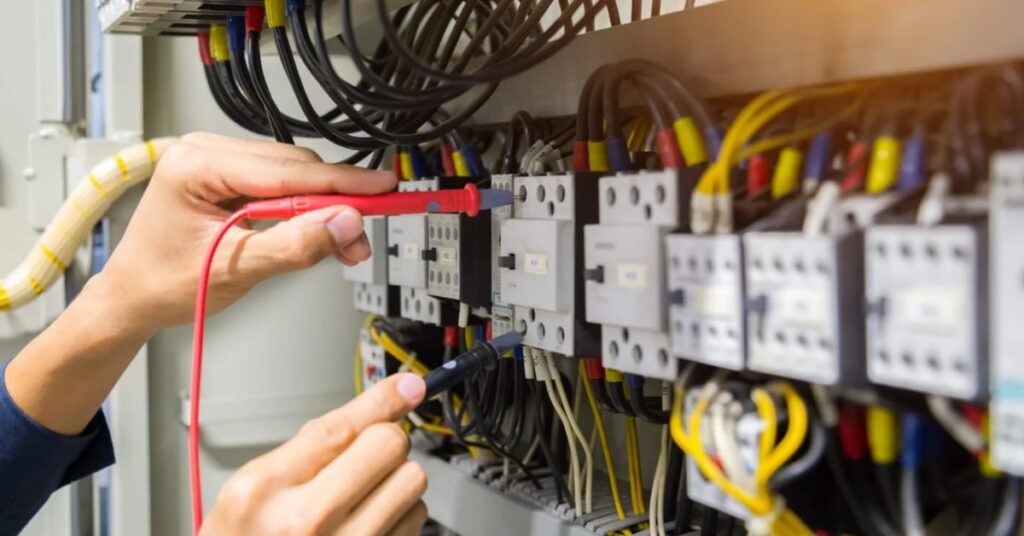
Preventive cable maintenance involves scheduled visual checks, condition assessments, and appropriate electrical tests. The aim is to identify worn insulation, signs of moisture exposure, damaged protective coverings, and deteriorating connections before they cause operational problems.
2. Corrective Cable Repair and Replacement
When testing or inspection identifies a fault, corrective maintenance may involve repairing a damaged section, addressing defective connections, improving insulation protection, or replacing a cable that is no longer suitable for safe operation. The recommended solution depends on the fault and the installation requirements.
3. Predictive and Condition-Based Maintenance
Thermal imaging and other condition-monitoring methods can help identify abnormal temperature patterns and potential weaknesses. These findings support better maintenance planning, although no inspection method can predict every future cable failure.
4. Proactive Cable System Improvements
Where recurring issues are linked to cable routing, inadequate protection, aging materials, or unsuitable connections, proactive maintenance may include recommended upgrades to improve long-term reliability and suitability for operating conditions.
Electrical Cable Inspection and Testing Methods
Effective electrical cable fault detection starts with selecting the right inspection or testing method for the installation. AL Emtyaz uses technical assessment methods to help locate defects, investigate overheating, and evaluate insulation condition.
Thermal Imaging and Infrared Inspection
Thermal imaging cameras can reveal unusual surface temperature patterns at accessible cable routes, joints, and terminations. Hot spots may indicate an overloaded circuit or a high-resistance connection. Results must be interpreted by qualified personnel because temperature differences do not, by themselves, establish the cause of a fault.
Cable Insulation Resistance Testing
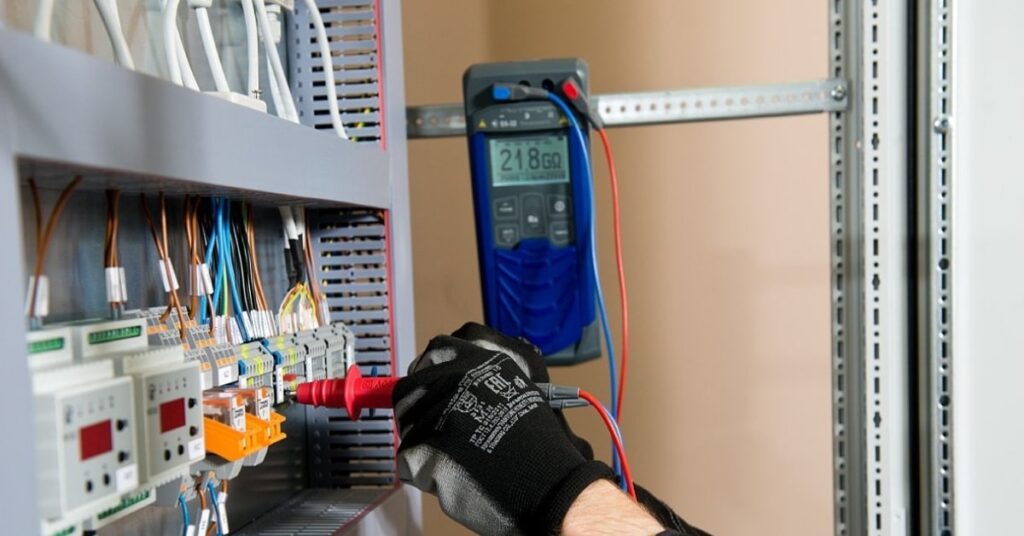
Insulation resistance testing helps assess the electrical insulation between conductors and relevant conductive parts. It can indicate moisture-related deterioration or insulation damage. Testing must be carried out by competent personnel using suitable equipment and approved isolation and safety procedures.
Visual Inspection of Cables and Connections
Visual inspections check accessible cables, protective sheaths, cable routes, joints, and connection points for cracking, discoloration, corrosion, mechanical damage, or signs of heat. Specialized inspection cameras may assist in examining difficult-to-access locations where appropriate.
Maintenance Records and Technical Reporting
Maintenance records help track recurring defects, previous repairs, and inspection findings. Organizing this information supports planned maintenance and provides useful context when a new electrical cable fault is reported.
Our Electrical Cable Fault Detection and Repair Process
Electrical cable faults require a structured diagnosis rather than guesswork. Our process is designed to investigate the symptoms, evaluate the cable condition, explain the findings, and carry out appropriate corrective measures.
Step 1: Initial Site and Electrical System Assessment
The team reviews the location, cable type, known electrical symptoms, installation age, previous maintenance history, and environmental conditions such as heat, moisture, or chemical exposure. This establishes the context for the inspection.
Step 2: Detailed Cable Condition Inspection
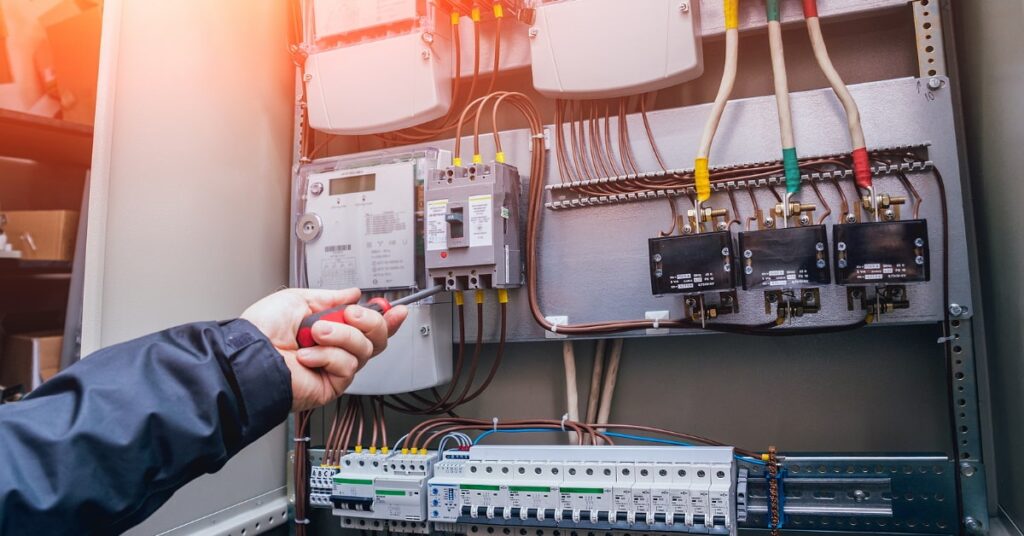
Accessible sections and connections are examined for damaged insulation, deteriorated cable coverings, loose terminations, and visible signs of abnormal wear. The inspection scope is adapted to the installation and safe access conditions.
Step 3: Thermal Assessment for Overheating
Where suitable, thermal measurements help identify hot spots at connections and other accessible components. Overheating can be associated with poor connections, excessive loading, or other electrical problems that need further investigation.
Step 4: Electrical Insulation Testing
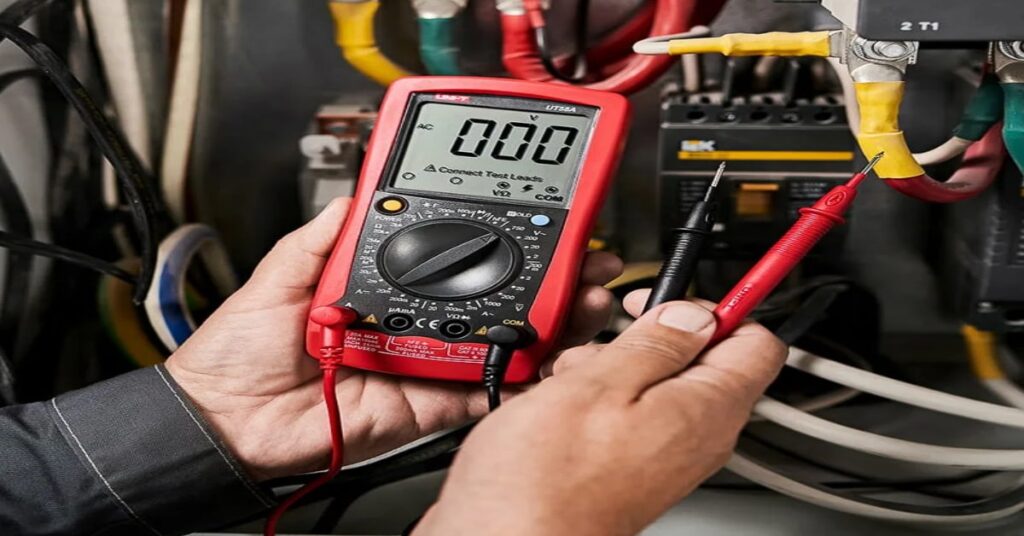
Appropriate electrical tests are performed to assess insulation condition and investigate suspected defects. The test method and equipment are selected for the cable and operating environment, with required electrical isolation and safety controls in place.
Step 5: Targeted Infrared Review of Accessible Components
Additional infrared inspection may be used to compare temperatures at accessible joints, terminals, and equipment connections when operating conditions allow. Infrared imaging helps identify external thermal patterns; it does not provide a direct view inside the cable insulation.
Step 6: Analyze Results and Identify Likely Causes
The inspection and test results are assessed to distinguish between possible causes such as insulation aging, mechanical damage, excessive electrical loading, environmental deterioration, or poor connections. Recommendations are based on the available evidence and applicable technical requirements.
Step 7: Prepare an Electrical Cable Inspection Report
A service report summarizes the cable condition, identified issues, available test findings, and recommended corrective actions. The report helps the property owner or facility manager understand the condition of the system and plan the next steps.
Step 8: Explain the Findings and Repair Options
Our team discusses the findings and the practical options for addressing them, including repair or replacement where appropriate. The proposed scope can be reviewed in relation to the site’s operational requirements and budget.
Step 9: Perform Corrective Electrical Cable Repairs
Approved corrective work may include repairing or replacing damaged cable sections, addressing defective connections, and restoring suitable electrical insulation and protection. All work should be completed by qualified personnel with the system made safe for the task.
Step 10: Verification and Follow-Up Maintenance
Following corrective work, relevant checks help verify the repair. Where needed, future inspection intervals can be recommended to monitor cable condition and reduce the likelihood of recurring problems.
Common Electrical Cable Problems, Causes, and Warning Signs
Recognizing possible cable defects early can help protect a building’s electrical system. The following problems can affect residential, commercial, and industrial installations in Jordan.
Common Types of Electrical Cable Damage
- Aging or deteriorated insulation: insulation may weaken over time because of heat, moisture, environmental exposure, and normal wear.
- Mechanical cable damage: construction activity, accidental impact, inappropriate bending, or animal damage can affect the protective sheath or conductors.
- Overloaded circuits: a load beyond the suitable rating of the cable or protective system can cause excessive heating.
- Loose or damaged connections: poor termination and increased contact resistance can result in localized heating and unreliable electrical operation.
What Causes Electrical Cable Faults?
- Environmental conditions: moisture, water ingress, direct sunlight, and high temperatures can accelerate deterioration when cables are not suitably protected.
- Incorrect installation: unsuitable routing, inadequate support, or poor connections can contribute to premature faults.
- Unsuitable or low-quality materials: cables that do not match the application’s electrical and environmental requirements may fail earlier.
- Missed inspections: without periodic checks, minor defects can remain unnoticed until they become more serious.
Warning Signs That Your Electrical Cables May Need Repair
- Flickering lights: repeated flickering may be linked to loose connections, voltage issues, or other circuit problems.
- Frequent power trips or outages: repeated breaker trips or unexplained interruptions require professional diagnosis.
- Unusual heat: warm or hot outlets, cable connections, or electrical enclosures may indicate a problem.
- Burning smells or discoloration: these can be signs of overheating and should be treated as urgent safety concerns.
- Buzzing or crackling sounds: unusual electrical noises can be associated with defective connections or arcing.
Electrical safety warning: Do not touch, open, or attempt to repair suspected damaged cables or electrical equipment. If you notice smoke, sparks, a burning smell, or exposed live wiring, keep away and contact a qualified electrician or the appropriate emergency service. Isolation should be performed only when it is safe to do so.
Electrical Safety Procedures During Cable Maintenance
Safety is central to any electrical cable testing and repair service. AL Emtyaz emphasizes trained personnel, suitable protective equipment, controlled work procedures, and risk assessment to reduce hazards to workers, occupants, and property.
1. Qualified Electrical Maintenance Personnel
Electrical inspection and repair tasks are handled by personnel familiar with electrical hazards, appropriate test instruments, safe work practices, and the requirements of the installation.
2. Appropriate Personal Protective Equipment
Depending on the task and risk assessment, protective equipment may include insulated gloves, suitable head and eye protection, and safety footwear. Protective measures are selected for the hazards involved.
3. Safe Isolation and Controlled Work Procedures
Maintenance procedures include suitable isolation, verification of electrical safety, and appropriate tools and controls before work starts. Any inspection requiring equipment to remain energized must be specifically assessed and conducted only by authorized specialists.
4. Ongoing Site Risk Assessment
The work area is reviewed for electrical, environmental, and access-related risks. Procedures may be adapted to the location, type of cable, nearby equipment, and site conditions.
5. Emergency Preparedness
Clear emergency arrangements, access to appropriate first-aid support, and communication with relevant responders help teams prepare for unforeseen incidents during maintenance work.
6. Inspection and Maintenance of Testing Equipment
Testing instruments and maintenance tools should be checked and maintained for their intended use. Proper equipment condition supports dependable results and safer working practices.
Frequently Asked Questions About Electrical Cable Maintenance in Jordan
How can I tell if an electrical cable is damaged?
Possible signs include repeated circuit interruptions, overheating, damaged insulation, burning odors, and unusual sounds near electrical connections. These symptoms can have more than one cause, so a qualified electrician should inspect the system rather than relying on visual signs alone.
Do you provide electrical cable fault detection services?
Yes. AL Emtyaz provides cable inspection and fault assessment using suitable visual, thermal, and electrical testing methods according to the reported problem and installation conditions.
Can a damaged power cable be repaired, or must it be replaced?
It depends on the nature and location of the damage, the cable type, and applicable technical requirements. Some faults may allow an appropriate repair, while extensive damage or deteriorated insulation may make replacement the safer option.
How often should electrical cables be inspected?
Inspection intervals depend on the installation, environmental conditions, equipment criticality, operating demands, and applicable requirements. A maintenance assessment can help establish a suitable inspection schedule.
Does thermal imaging detect every cable fault?
No. Thermal imaging can help identify unusual heat at accessible surfaces and connections, but it does not reveal every insulation or conductor defect. Other inspection and test methods may be needed for an accurate diagnosis.
Book Electrical Cable Inspection, Maintenance, or Repair in Jordan
Need help with a suspected cable fault, damaged insulation, recurring outages, or a preventive maintenance plan? AL Emtyaz provides electrical cable maintenance and repair services in Jordan for residential, commercial, and industrial electrical installations.
Speak with our team about cable fault detection, electrical cable testing, condition assessments, and recommended repair work. Call 0798495491 for service details.
You can also contact us on WhatsApp using the button below: