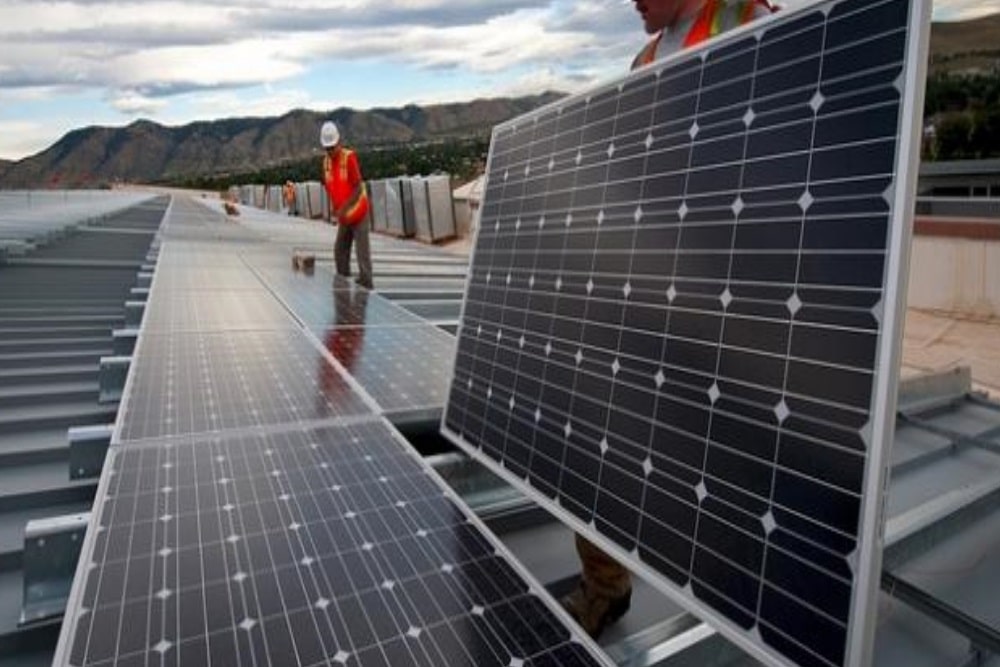
Looking for reliable renewable energy companies in Amman, Jordan? AL Emtyaz Facilities Management provides solar energy and renewable power solutions for residential, commercial, and industrial properties, with a focus on system design, installation, and maintenance.
Request a renewable energy consultation today. Call AL Emtyaz at 0792240050 to discuss solar panel installation, renewable energy system requirements, maintenance services, or project quotations.
Prefer WhatsApp? Contact our team directly using the button below to ask about solar energy systems, available services, and project arrangements.
Renewable Energy Solutions for Homes and Businesses in Jordan
Renewable energy is becoming an increasingly important part of electricity generation in Jordan. Solar power, wind energy, and other renewable resources provide opportunities to generate electricity from naturally replenished sources and reduce dependence on conventional energy generation.
At AL Emtyaz Facilities Management, we provide renewable energy solutions for homeowners, businesses, and organizations seeking suitable alternatives for electricity generation. Our services focus on system planning, selecting appropriate equipment, installation, and ongoing maintenance requirements.
Solar power is one of the most practical renewable energy options for many properties in Jordan. If you are planning a residential or commercial solar project, explore our solar panel installation services in Jordan to learn more about the solutions available for homes and businesses.
Our renewable energy solutions can involve solar photovoltaic panels, inverters, electrical connections, monitoring equipment, and energy storage systems when required. Wind power and hybrid renewable energy systems may also be considered depending on project feasibility and operating conditions.
Choosing the right renewable energy contractor involves more than comparing equipment prices. System capacity, installation quality, electrical safety, regulatory requirements, expected electricity generation, and long-term maintenance should all be considered before starting a project.
How to Choose Licensed Renewable Energy Companies in Jordan
When comparing licensed renewable energy companies in Jordan, it is important to evaluate technical experience, appropriate licensing, equipment specifications, installation practices, and maintenance support.
Renewable energy projects involve electrical components, structural considerations, and, where applicable, connections to the electricity distribution network. Working with appropriately qualified and authorized professionals helps support safe installation and compliance with relevant requirements.
In Jordan, the Energy and Minerals Regulatory Commission (EMRC) is responsible for regulating and licensing relevant renewable energy activities. Customers should verify that the company carrying out regulated work holds the appropriate authorization for the proposed project.
Important factors to consider when selecting a renewable energy company include:
- Valid licensing: Verify the company’s relevant renewable energy license and the activities it is authorized to perform.
- Technical experience: Review the company’s experience with residential, commercial, or industrial energy projects.
- Qualified installation personnel: Confirm that the project will be handled by personnel with suitable electrical and renewable energy expertise.
- Appropriate equipment: Compare solar panels, inverters, electrical protection components, and other equipment according to their technical specifications.
- System design: Request a proposal based on actual electricity consumption, installation conditions, and expected generation.
- Clear quotations: Review installation costs, equipment specifications, warranty conditions, and the services included in the proposal.
- Maintenance support: Ask about solar panel cleaning, inspections, fault diagnosis, and ongoing system maintenance.
AL Emtyaz focuses on helping property owners understand their renewable energy requirements and select appropriate solutions based on project conditions.
Before proceeding with an installation, customers should also confirm the applicable licensing, electrical connection approvals, and project documentation.
Renewable Energy in Jordan: Opportunities and Applications
Jordan has significant potential for renewable electricity generation, particularly through solar energy. Renewable energy technologies can serve residential buildings, commercial properties, industrial facilities, and other electricity consumers.
With suitable system design, renewable energy can contribute to reducing reliance on electricity purchased from the grid, managing long-term energy expenses, and supporting environmental objectives.
The suitability of an individual renewable energy system depends on several factors, including local weather conditions, electricity consumption, available installation space, project budget, and applicable electricity regulations.
In Jordan, two of the most relevant renewable electricity generation technologies are:
- Solar energy: Electricity generation using photovoltaic panels that convert sunlight into electrical energy.
- Wind energy: Electricity generation using wind turbines that convert wind movement into electrical power.
Other renewable resources, such as hydropower, also exist, although their practical applications depend on geographic conditions, available resources, and project feasibility.
For many homes and businesses, solar power systems in Jordan provide a practical starting point for exploring renewable energy generation.
Main Sources of Renewable Energy
Renewable energy comes from natural sources that are replenished over time. These resources can be used to generate electricity, produce heat, or support other energy applications.
Understanding the main renewable energy sources helps property owners and businesses identify which technologies may be suitable for their energy requirements.
1. Solar Energy
Solar energy uses sunlight to generate electricity or provide thermal energy. Solar photovoltaic (PV) panels convert sunlight directly into electrical power, while solar thermal systems use solar heat for applications such as water heating.
Solar power systems are widely considered for rooftops, residential properties, commercial buildings, and suitable land-based installations.
Proper installation requires assessing sunlight exposure, potential shading, roof conditions, electrical consumption, and system component compatibility.
2. Wind Energy
Wind energy uses the movement of air to rotate turbine blades connected to electricity generation equipment.
Modern wind turbines can convert wind energy into electricity for suitable projects. Their effectiveness depends on wind speed, site exposure, turbine characteristics, installation conditions, and relevant approvals.
Wind power may be considered for certain commercial, industrial, agricultural, or specialized energy applications where sufficient wind resources are available.
3. Hydropower
Hydropower generates electricity from moving or falling water. Water movement drives turbines that operate electrical generators.
The feasibility of hydropower depends on the availability of suitable water resources, environmental conditions, and project infrastructure.
Although hydropower is an established renewable energy technology worldwide, it is not necessarily a practical option for every location in Jordan.
Solar Panel Installation and Renewable Energy Systems
AL Emtyaz provides renewable energy solutions that include solar panel installation in Amman and Jordan for residential and commercial applications.
A properly designed solar power system should reflect the building’s electricity requirements, available roof or installation area, and the technical characteristics of the selected equipment.
A typical solar photovoltaic installation may include the following components:
- Solar PV panels: Convert sunlight into direct current (DC) electricity.
- Solar inverters: Convert DC electricity into alternating current (AC) electricity suitable for compatible electrical systems.
- Mounting structures: Secure solar panels to the roof or another suitable installation surface.
- Electrical wiring and connectors: Connect system components using appropriate cables and connections.
- Electrical protection devices: Support system safety through appropriately specified isolation and protective equipment.
- Monitoring equipment: Helps users review energy generation and relevant system performance data.
- Battery storage systems: Store energy for later use when the selected system design includes compatible batteries.
Not every solar installation requires batteries. The choice between grid-connected, off-grid, and hybrid solar configurations depends on the project’s requirements, electricity supply conditions, and applicable regulations.
Residential Solar Power Systems
Home solar panel systems can help households generate electricity from sunlight and reduce their dependence on purchased electricity, subject to system performance and electricity billing arrangements.
System sizing should take into account household electricity consumption, available space, roof orientation, shading, and expected generation throughout the year.
Commercial Solar Energy Systems
Commercial solar panel installation may be suitable for offices, warehouses, factories, retail buildings, and other businesses seeking to manage electricity expenses.
Commercial projects require careful planning of electricity demand, installation capacity, operating schedules, system performance, and project economics.
Solar Energy Systems with Battery Storage
Solar battery storage can be considered when a project requires energy to be stored for later use. Depending on system design, stored electricity may support selected loads when solar production is insufficient or during certain power interruptions.
Battery capacity, inverter compatibility, safety requirements, expected battery life, and installation costs should be reviewed before selecting an energy storage solution.
Wind Turbine Installation and Hybrid Renewable Energy Solutions
In addition to solar energy, wind power can provide electricity generation opportunities for projects located in areas with suitable wind conditions.
A wind energy system typically includes turbine blades, a generator, support structures, electrical control equipment, and the components required to deliver usable electrical power.
Before considering wind turbine installation, a project should be assessed for wind availability, site conditions, structural requirements, electrical compatibility, and regulatory approvals.
Solar and Wind Hybrid Energy Systems
A hybrid renewable energy system may combine solar panels and wind turbines with suitable controllers, inverters, and optional battery storage.
Hybrid systems can be considered for applications where combining energy sources may improve generation availability under different weather conditions.
However, combining solar and wind technologies is not automatically more economical or suitable for every property. System feasibility should be evaluated according to available resources, equipment costs, energy requirements, and maintenance considerations.
Contact AL Emtyaz to discuss the renewable energy technologies appropriate for your project’s location and operational needs.
How Renewable Energy Systems Generate Electricity
Understanding how renewable energy systems work helps homeowners and businesses make informed decisions about system design, electricity generation, and equipment selection.
How Solar Panels Generate Electricity
Solar photovoltaic panels contain semiconductor cells that produce an electrical current when exposed to sunlight. This process is known as the photovoltaic effect.
The electricity generated by solar panels is direct current (DC). A compatible solar inverter converts this electricity into alternating current (AC), which can be used by suitable household or commercial electrical equipment.
Depending on the system configuration, electricity may be consumed directly, stored in batteries, or exchanged with the electrical grid under the applicable connection and billing arrangements.
How Wind Turbines Generate Electricity
Wind passing over turbine blades causes the rotor to turn. This mechanical movement drives a generator, which converts mechanical energy into electrical energy.
The electricity generated may require electrical conditioning and conversion before being supplied to compatible loads, battery systems, or a suitable grid connection.
The amount of energy generated depends on wind conditions, turbine characteristics, and overall system efficiency.
Benefits of Renewable Energy for Homes and Businesses
Renewable energy systems offer several potential benefits for residential, commercial, and industrial electricity consumers.
The actual advantages depend on system design, location, electricity consumption, project cost, weather conditions, and maintenance quality.
- Reduced reliance on conventional electricity: Renewable systems generate electricity from naturally replenished resources such as sunlight and wind.
- Potential electricity bill savings: A correctly sized solar energy system may reduce electricity purchased from the grid, depending on the applicable tariff and billing arrangements.
- Lower operational emissions: Solar and wind electricity generation generally produces much lower operating emissions than conventional fossil fuel generation.
- Long-term energy planning: Renewable energy investments can help businesses evaluate future electricity expenses and energy requirements.
- Support for sustainability objectives: Renewable electricity can contribute to broader environmental and resource management goals.
- Flexible system applications: Renewable energy technologies can be considered for residential, commercial, agricultural, and industrial projects.
While renewable energy technologies have environmental benefits, equipment manufacturing, installation, maintenance, and end-of-life disposal also have environmental impacts. Appropriate system selection and responsible maintenance remain important.
AL Emtyaz helps customers explore renewable energy solutions according to their electricity needs, installation conditions, and project budgets.
Renewable Energy Maintenance and Service Contracts
Installing a renewable energy system is only one part of maintaining reliable performance. Solar panels, inverters, electrical connections, mounting structures, and other system components may require periodic inspection and maintenance.
AL Emtyaz offers renewable energy maintenance services and can discuss periodic maintenance arrangements for suitable residential and commercial systems.
Depending on the equipment and agreed service scope, maintenance activities may include:
- Solar panel inspection: Checking panels for visible damage, deterioration, and relevant operating concerns.
- Solar panel cleaning: Removing suitable dust and dirt deposits that may affect sunlight reaching the panels.
- Inverter inspection: Reviewing operating status and identifying reported inverter faults.
- Electrical system checks: Inspecting appropriate connections, protective equipment, and other accessible components using suitable safety procedures.
- Mounting structure inspection: Checking visible support components and mounting conditions.
- Performance monitoring: Reviewing available energy generation data to identify unexpected changes.
- Battery system maintenance: Performing suitable checks when the installation includes battery storage.
- Wind turbine servicing: Discussing inspection and maintenance requirements for suitable wind energy equipment.
Periodic maintenance can help identify developing faults, support system reliability, and maintain appropriate equipment operating conditions.
Monthly, annual, or customized solar energy maintenance contracts may be considered according to system size, equipment type, access requirements, and the agreed scope of work.
Common Renewable Energy System Problems
Renewable energy technologies offer significant opportunities, but their performance depends on proper design, installation, weather conditions, equipment quality, and ongoing maintenance.
Understanding common challenges can help property owners make better investment decisions and maintain realistic expectations about system performance.
1. High Initial Installation Costs
One of the main considerations when installing a renewable energy system is the initial investment. Equipment, mounting structures, inverters, batteries where required, electrical protection, and installation labor all contribute to the total project cost.
Comparing suitable equipment and preparing a system design based on actual electricity needs can help avoid unnecessary capacity and spending.
2. Dependence on Weather Conditions
Solar electricity generation varies with sunlight availability, shading, temperature, and weather conditions. Wind energy generation depends on suitable wind speeds and site characteristics.
Accurate system design should consider seasonal generation patterns and the property’s electricity requirements.
3. Energy Storage Requirements
Some renewable energy projects require battery storage to provide electricity when generation is unavailable or insufficient.
However, batteries are not necessary for every renewable energy system. Their suitability depends on the electrical configuration, backup power requirements, operating conditions, and budget.
Battery systems also have service life limitations and may eventually require replacement.
4. Incorrect System Design or Installation
Incorrect panel orientation, excessive shading, unsuitable inverter sizing, poor electrical connections, or improper installation practices can reduce renewable energy system performance.
Working with qualified personnel and selecting appropriate equipment helps reduce the risk of installation-related problems.
5. Inadequate Maintenance and Cleaning
Accumulated dirt, equipment deterioration, inverter faults, and damaged connections may affect electricity generation and system reliability.
Regular monitoring, suitable cleaning, and periodic inspections help identify potential problems before they become more serious.
Why Is My Solar Energy System Producing Less Electricity?
Low solar power generation is a common concern among property owners. However, reduced output does not always mean that the solar panels themselves are defective.
Several factors can affect the performance of a solar PV system, including:
- Dust, dirt, or other deposits accumulating on the panels.
- Shading caused by nearby buildings, structures, or vegetation.
- Seasonal variations in sunlight and weather conditions.
- Inverter faults or electrical connection problems.
- Incorrect system configuration or equipment sizing.
- Component deterioration or equipment damage.
- Battery-related issues in systems that include energy storage.
If your solar system is producing less electricity than expected, comparing current performance with historical generation data may help identify when the problem began.
A suitable technical inspection can then help determine whether the issue requires cleaning, maintenance, equipment adjustment, or component repair.
Contact AL Emtyaz to discuss solar panel maintenance and troubleshooting services in Jordan and arrange an assessment of your system’s condition.
Renewable Energy System Costs in Jordan
The cost of solar energy and renewable power systems in Jordan varies according to the type of technology, required system capacity, selected equipment, installation conditions, and project requirements.
A small residential solar installation will have different costs from a commercial solar PV system or a renewable energy project that includes battery storage or wind turbines.
Important factors that influence renewable energy system pricing include:
- System capacity: The required electricity generation capacity, typically expressed in kilowatts (kW) for smaller systems.
- Solar panel specifications: Panel efficiency, power rating, manufacturer, and warranty terms.
- Inverter selection: The type and capacity of inverter required for the installation.
- Battery storage: Additional equipment and installation costs when energy storage is required.
- Installation location: Roof structure, accessibility, mounting requirements, and available space.
- Electrical requirements: Cabling, protective components, connection arrangements, and necessary technical work.
- Regulatory requirements: Applicable approvals, connection procedures, and associated project costs.
- Maintenance arrangements: Optional inspection, cleaning, monitoring, and maintenance services.
When comparing quotations from renewable energy companies in Jordan, customers should review not only the initial system price but also the equipment specifications, proposed generation capacity, maintenance requirements, and warranty conditions.
AL Emtyaz can discuss project requirements and provide information about suitable renewable energy solutions and installation arrangements.
Renewable Energy Regulations, Licensing, and Incentives in Jordan
Renewable energy projects in Jordan are subject to applicable laws, regulations, licensing requirements, and electricity connection procedures.
The Energy and Minerals Regulatory Commission (EMRC) oversees relevant regulatory activities, including licensing requirements for companies involved in supplying, installing, operating, maintaining, and inspecting renewable energy systems.
Depending on the project, installing a solar PV system may require coordination with the appropriate electricity distribution company and compliance with applicable connection rules.
Electricity billing arrangements, grid connection mechanisms, regulatory charges, exemptions, and available financial support programs can vary according to current regulations and eligibility conditions.
For this reason, homeowners and businesses should not assume that a particular subsidy percentage, financing offer, or electricity-related fee applies to every renewable energy project.
Before signing an installation contract, confirm the current requirements through the relevant authorities and electricity provider. You can review renewable energy regulatory information through the Energy and Minerals Regulatory Commission.
AL Emtyaz can help customers discuss the technical aspects of their proposed energy projects and identify the documentation and implementation arrangements that may need to be considered.
Renewable Energy Solutions for Residential and Commercial Projects
Renewable energy technologies can be considered for different property types and electricity consumption patterns.
AL Emtyaz provides renewable energy solutions for suitable projects in Amman and other areas of Jordan, according to technical feasibility and service arrangements.
Solar Energy for Homes and Villas
Residential solar systems can be designed around household electricity consumption, available roof area, sunlight exposure, and preferred system configuration.
Solar Power for Offices and Commercial Buildings
Businesses may consider solar energy installations to manage electricity purchases and support long-term energy planning. Commercial projects require suitable load assessment and system design.
Renewable Energy for Industrial Facilities
Industrial facilities may have substantial electricity requirements and available areas for solar energy installations. Project suitability depends on operational demand, available space, technical conditions, and applicable regulations.
Renewable Energy for Agricultural Properties
Agricultural operations may consider renewable energy for suitable electricity applications, including certain pumping, lighting, and facility requirements. System selection depends on electricity demand, site conditions, and the availability of the required infrastructure.
Every renewable energy project should be assessed individually to determine appropriate technology, capacity, installation requirements, and expected performance.
Frequently Asked Questions About Renewable Energy Companies in Jordan
How can I find licensed renewable energy companies in Jordan?
To find licensed renewable energy companies in Jordan, review the relevant information provided by the Energy and Minerals Regulatory Commission (EMRC). Before hiring a contractor, confirm its licensing status, authorized activities, technical experience, and suitability for your project.
What services do renewable energy companies provide?
Renewable energy companies may provide solar panel system design, equipment supply, installation, electrical integration, battery storage solutions, system inspections, maintenance, and performance monitoring. Available services vary by company and licensing scope.
Is solar energy suitable for homes in Amman?
Solar energy can be suitable for many homes in Amman, depending on available roof space, shading, electricity consumption, roof conditions, and applicable regulations. A technical assessment helps determine the appropriate system capacity and installation requirements.
How much does solar panel installation cost in Jordan?
Solar panel installation costs depend on system capacity, selected panels, inverter type, mounting requirements, electrical components, and whether battery storage is included. A project quotation should be based on actual electricity requirements and installation conditions.
Can solar panels reduce electricity bills in Jordan?
A properly designed solar PV system may reduce electricity purchased from the grid. Actual savings depend on electricity consumption, solar generation, system costs, applicable tariffs, and billing arrangements.
Do solar energy systems require batteries?
Not all solar energy systems require batteries. Grid-connected solar installations may operate without battery storage, while off-grid or certain hybrid systems use batteries when energy storage is necessary.
How often should solar panels be cleaned?
Solar panel cleaning frequency depends on dust accumulation, environmental conditions, rainfall, installation location, and manufacturer recommendations. Panels should be inspected periodically, and cleaning should use methods suitable for the equipment.
Are wind turbines suitable for residential properties?
Residential wind turbines may be technically possible in certain locations, but suitability depends on wind conditions, available space, structural requirements, noise considerations, project economics, and applicable approvals. Solar PV is often a more practical option for many urban properties.
Does AL Emtyaz provide renewable energy maintenance services?
AL Emtyaz provides renewable energy maintenance solutions, including solar panel cleaning, system inspection, and suitable maintenance arrangements. Contact our team to discuss the requirements of your installation.
Can I install a renewable energy system anywhere in Jordan?
Installation feasibility depends on the location, property conditions, available renewable resources, technical requirements, and applicable regulatory approvals. Contact a suitable service provider and the relevant electricity authority to review your project requirements.
Contact AL Emtyaz for Renewable Energy Services in Amman, Jordan
Choosing a suitable renewable energy system begins with understanding your electricity requirements, installation conditions, and long-term operating needs.
AL Emtyaz Facilities Management provides renewable energy solutions in Jordan, including solar panel installation, renewable energy equipment, system maintenance, and suitable energy project arrangements.
Whether you are planning a residential solar installation, exploring commercial renewable energy options, or looking for assistance with an existing solar power system, our team can discuss the available services and technical requirements.
We also provide solar panel maintenance and cleaning services to help property owners maintain their systems and address potential performance issues.
Request your renewable energy consultation today. Contact AL Emtyaz at 0792240050 to ask about solar panel installation, renewable energy systems, maintenance services, or a customized project quotation.
You can also contact our team through WhatsApp using the button below to discuss your solar or renewable energy project in Amman or Jordan.