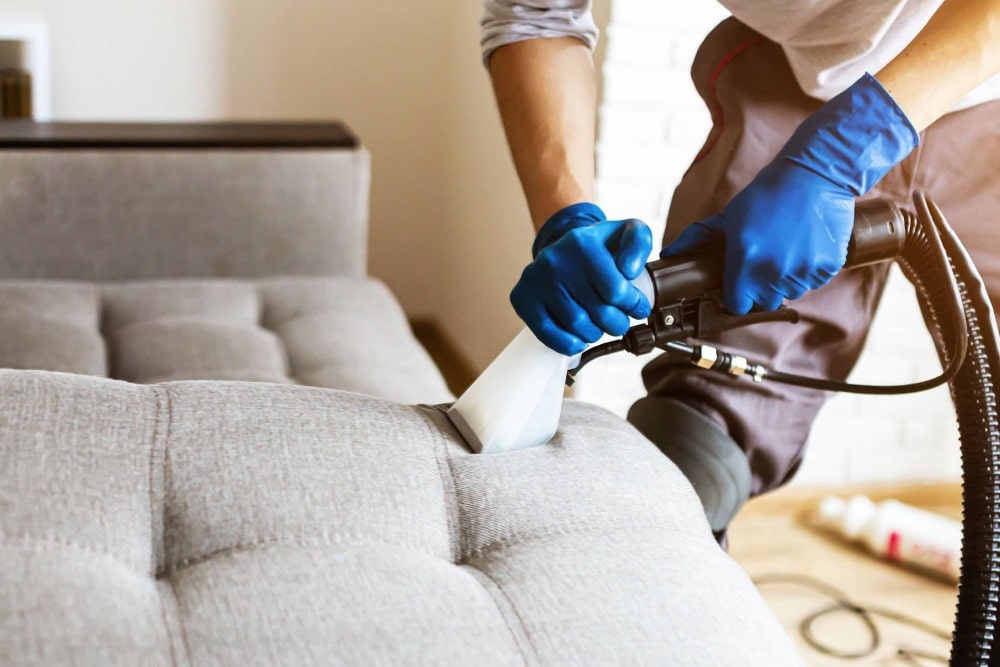
Are you looking for professional stone facade sandblasting in Jordan to remove stubborn dirt, dark stains, and years of buildup from your building’s exterior? At AL Emtyaz, we provide specialized stone cleaning services using controlled abrasive blasting and wet sandblasting techniques selected according to the condition of each surface.
Our experienced team works with natural and artificial stone facades, including residential villas, commercial buildings, hotels, hospitals, and institutional properties. As part of our comprehensive cleaning services in Jordan, we assess each facade before recommending the most suitable cleaning method.
Unlike ordinary surface washing, stone sandblasting uses a controlled stream of abrasive material to remove deposits from suitable stone surfaces. Depending on the stone type and its condition, we may recommend wet abrasive blasting, carefully controlled water cleaning, or another less aggressive treatment.
Every project begins with a technical assessment of the stone, existing stains, mortar joints, and surrounding materials. Our specialists evaluate the appropriate cleaning equipment, abrasive medium, working pressure, and application technique before proceeding.
We also take precautions to protect windows, glass, doors, nearby plants, and surrounding property. For sensitive, deteriorated, or historic stonework, abrasive blasting may not be appropriate, so the cleaning method must be determined through careful inspection and testing.
Whether you need exterior stone cleaning in Amman or stone facade restoration cleaning elsewhere in Jordan, AL Emtyaz offers professional service, practical recommendations, and competitive quotations based on your project’s requirements.
Request a free consultation or stone facade cleaning quotation. Call 0798495491 to discuss your building, arrange an assessment, and learn which cleaning method is suitable for your stone facade.
Before and After Stone Facade Sandblasting and Cleaning Projects
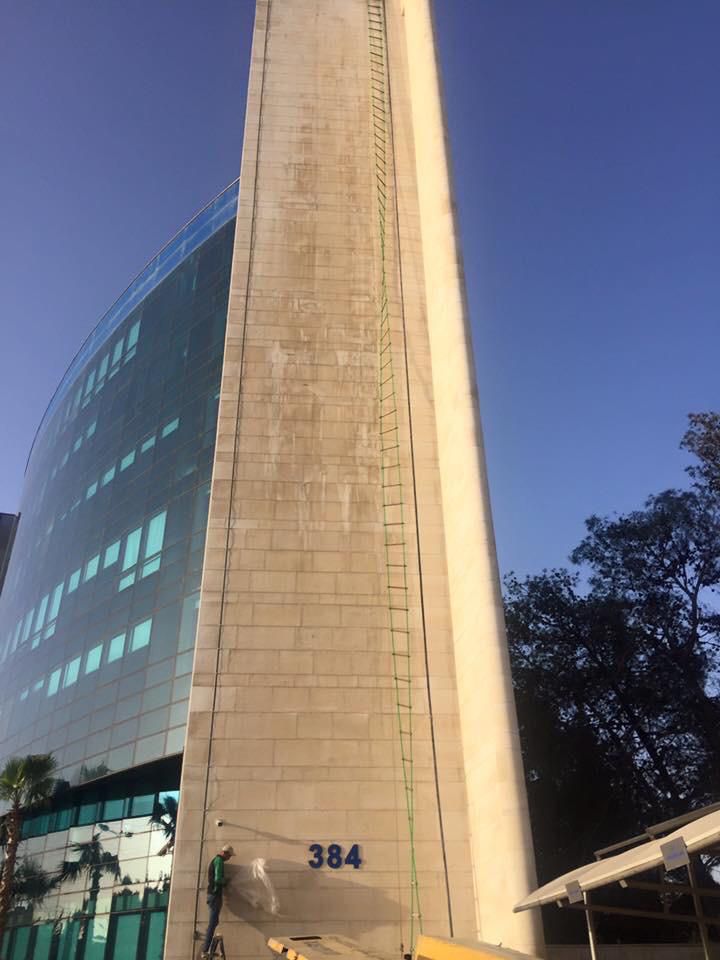
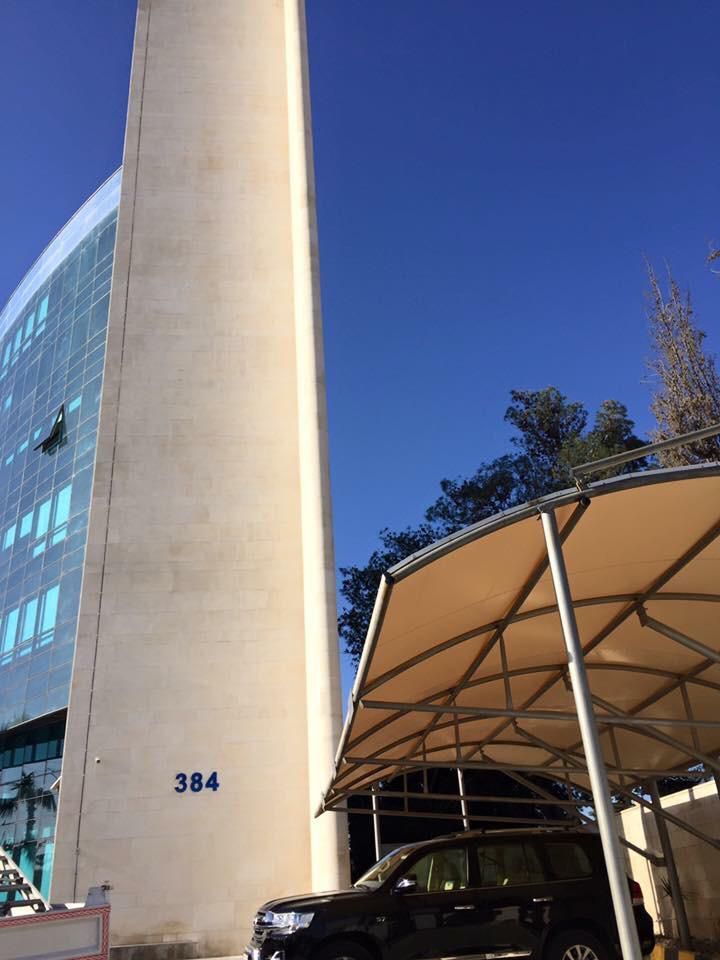
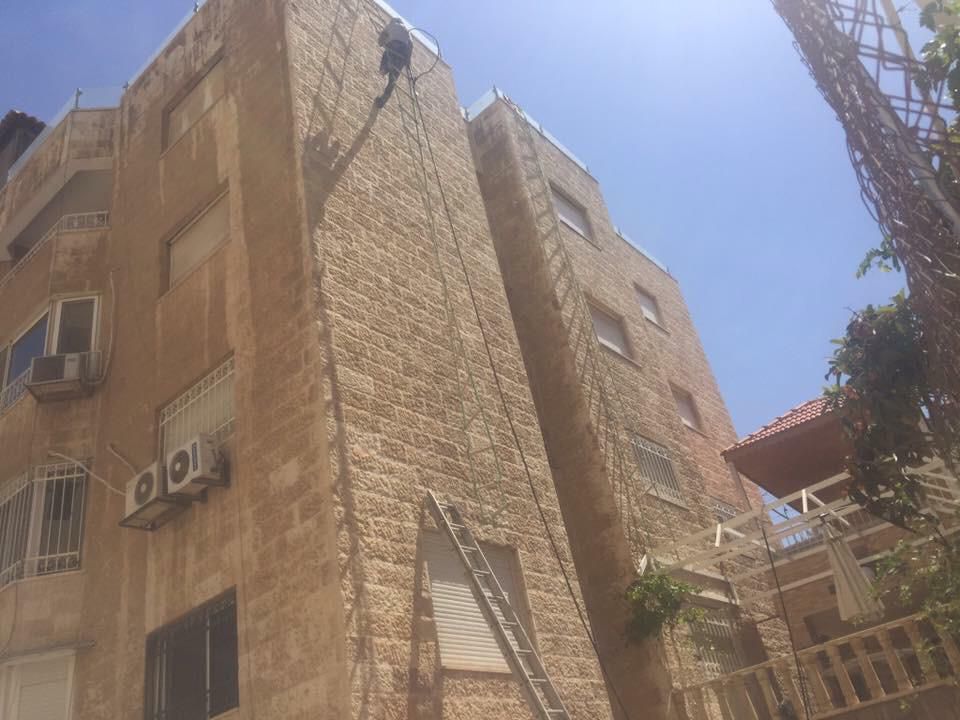
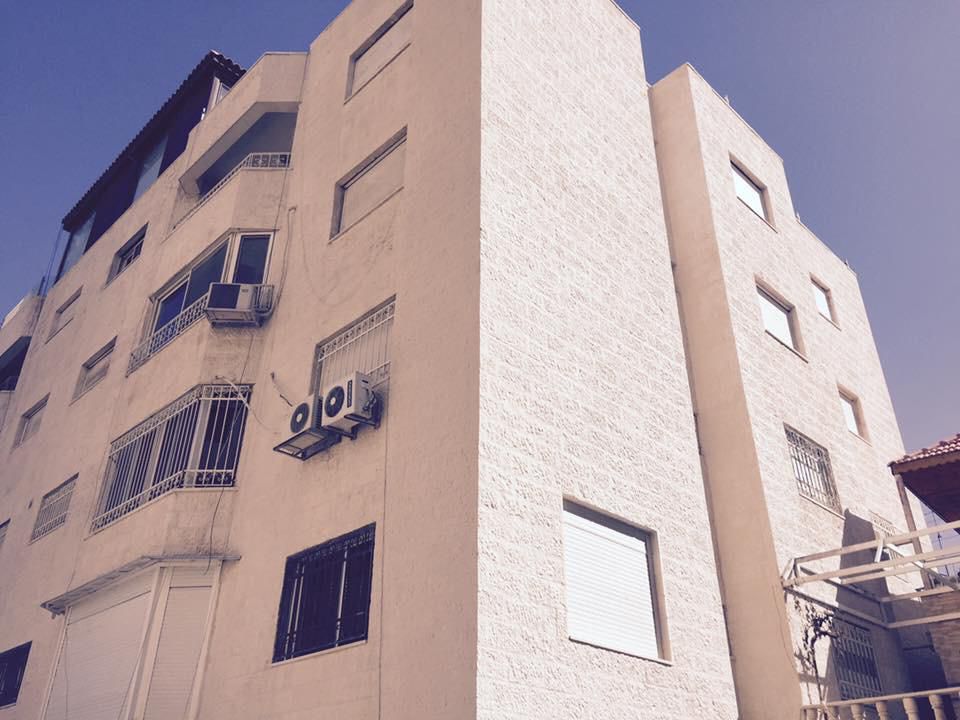
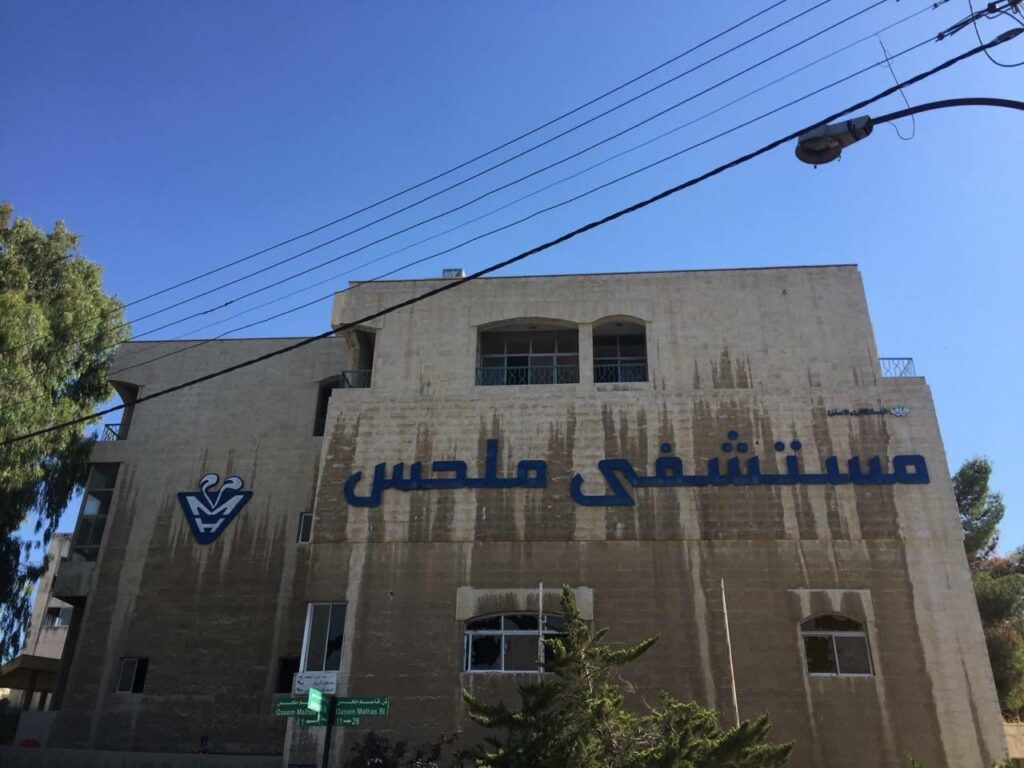
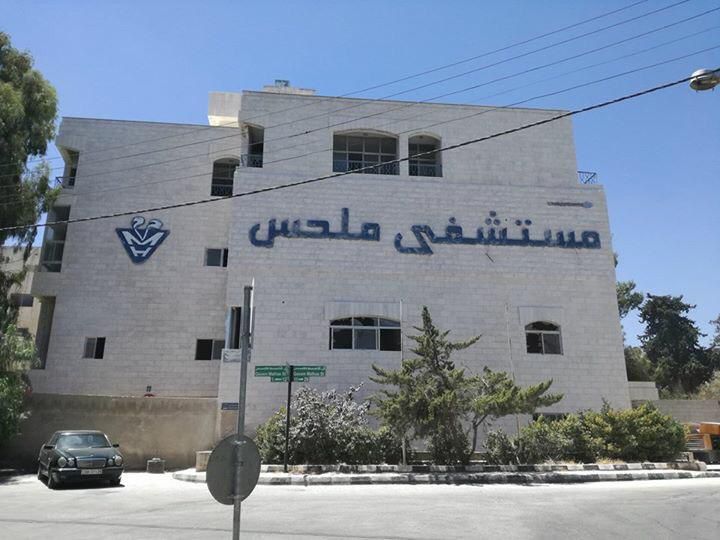
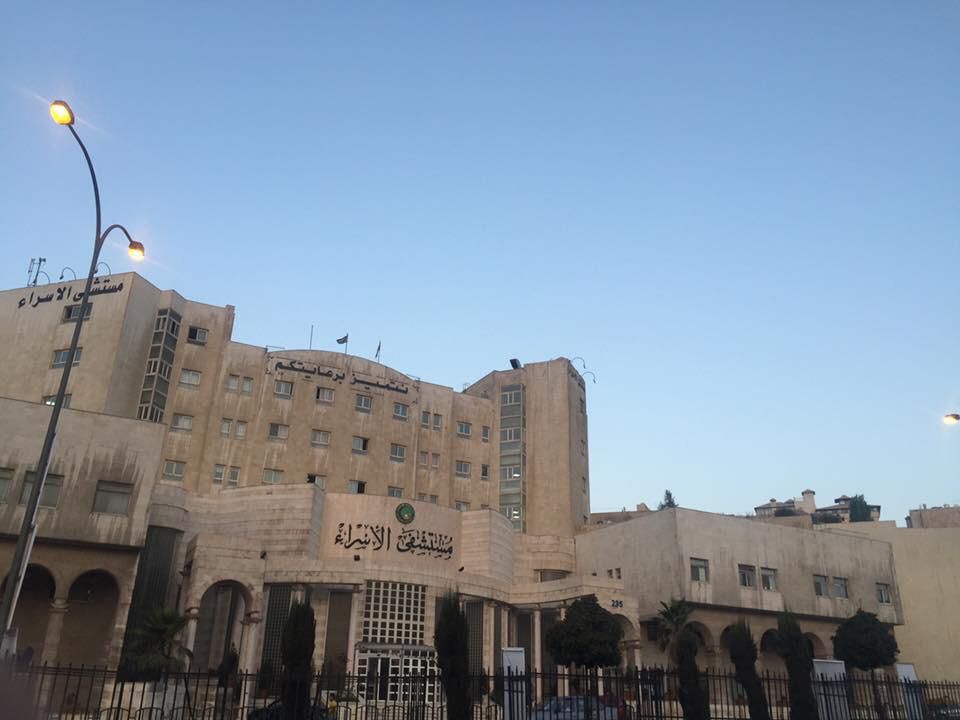
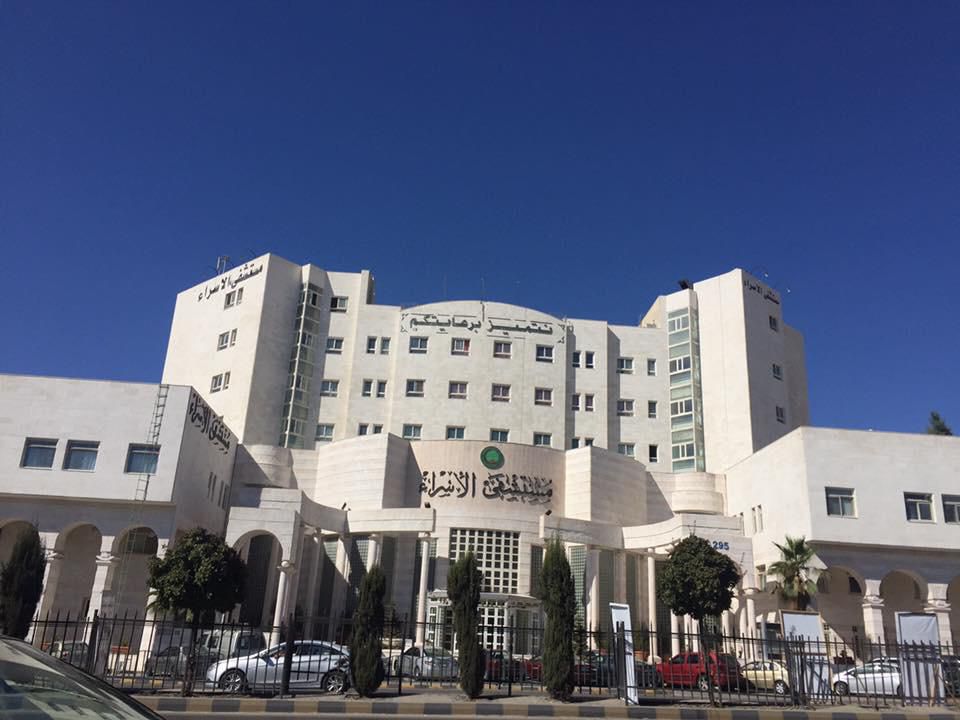
One of the best ways to evaluate professional stone facade cleaning services is to examine completed projects. The following before-and-after photographs show stone cleaning work carried out by AL Emtyaz on different building facades in Amman and other areas of Jordan.
These projects demonstrate how selecting an appropriate stone cleaning technique can improve the appearance of exterior walls affected by accumulated dust, environmental staining, and stubborn deposits. The results depend on the stone condition and the method used, including abrasive or water-based cleaning.
Professional Stone Facade Sandblasting Services in Amman and Jordan
At AL Emtyaz, we specialize in stone facade sandblasting, wet abrasive cleaning, and exterior stone maintenance for residential, commercial, and institutional buildings throughout Jordan.
Our experience covers a variety of architectural stone surfaces, from modern villa facades to large commercial buildings and more complex exterior structures. We understand that every stone facade requires a different cleaning approach depending on its material, age, condition, and degree of contamination.
Experienced Stone Facade Cleaning Specialists
Our technicians are trained to evaluate natural and manufactured stone surfaces before selecting a cleaning method. They consider the stone’s hardness, surface texture, existing damage, and the type of deposits that need to be removed.
We have worked on residential villas, hotels, healthcare facilities, educational institutions, administrative buildings, and commercial properties. Our goal is to achieve noticeable cleaning results while respecting the condition and architectural character of the facade.
Professional Wet Sandblasting and Stone Cleaning Equipment
We use professional equipment for wet sandblasting and controlled abrasive stone cleaning, together with water cleaning systems where appropriate. The cleaning equipment and application settings are selected according to the surface being treated.
Wet abrasive blasting can help control airborne dust during cleaning, while careful adjustment of the abrasive material, pressure, and application technique helps technicians work more precisely. However, wet blasting remains an abrasive process and requires suitability testing before full application.
Technical Supervision and Surface Protection
Our cleaning operations are carried out by trained personnel with technical supervision. Before beginning, we assess access requirements, surrounding surfaces, protective coverings, and the most suitable working method.
We take particular care around decorative stonework, delicate joints, windows, glass panels, and other areas that could be affected by the cleaning process.
Clear Assessment and Competitive Stone Cleaning Prices
We explain the recommended cleaning process and assess the work required before preparing a quotation. This allows property owners and facility managers to understand the expected scope, suitable techniques, and estimated cost of the project.
Rather than recommending the same method for every facade, our team focuses on providing a practical solution based on the stone’s actual condition.
How We Clean Stone Facades Using Sandblasting
Professional stone facade sandblasting involves more than directing abrasive material toward an exterior wall. It requires careful evaluation, controlled equipment, appropriate surface preparation, and a thorough inspection after cleaning.
AL Emtyaz follows a structured cleaning process designed to match the method to the building’s stone type and condition.
1. Initial Stone Facade Inspection
We begin with an on-site assessment or an initial review of detailed facade photographs. Our team examines the stone type, surface condition, accumulated dirt, staining, mortar joints, and any existing cracks or deterioration.
This assessment helps determine whether abrasive cleaning is appropriate or if another stone cleaning method would be preferable. It also allows us to identify access requirements and potential site risks.
2. Preparing and Protecting the Work Area
Before cleaning begins, we prepare the surrounding area by protecting vulnerable surfaces, including windows, glass, doors, plants, and nearby property.
We also establish a controlled work area to reduce the movement of dust, moisture, and abrasive residue into spaces that are not part of the cleaning project.
3. Testing the Cleaning Method on a Small Area
A preliminary cleaning test is performed on a small, representative area before proceeding with the full facade. This helps our team evaluate the effect of the selected method on the stone’s color, texture, and surface condition.
If the test indicates an unacceptable risk of surface erosion, discoloration, or damage, the cleaning method must be adjusted or replaced with a more suitable alternative.
4. Controlled Wet Sandblasting or Abrasive Cleaning
Where abrasive cleaning is suitable, trained technicians use professional equipment with carefully selected abrasive media and controlled application settings.
The working pressure, nozzle distance, spray direction, and type of abrasive material are chosen according to the stone’s condition and the results of the preliminary test.
These considerations are particularly important for cleaning exterior stone walls where surface details, joints, and architectural features must be treated carefully.
5. Dust Control and Cleaning During Application
When wet abrasive blasting is selected, water is incorporated into the cleaning process to help control airborne dust and manage residue.
Our team monitors the cleaning results throughout the work, paying attention to changes in surface appearance and stopping or modifying the process if unexpected damage becomes apparent.
6. Rinsing and Removing Cleaning Residue
After the main cleaning operation, suitable rinsing methods may be used to remove remaining abrasive particles, loosened dirt, and surface deposits.
The surrounding work area is also cleaned, including affected floors, pathways, and adjacent surfaces, as required by the project.
7. Final Stone Surface Inspection
Our team reviews the completed facade to evaluate the cleaning results, check for remaining deposits, and identify any areas requiring additional attention.
We also examine the visible condition of the stone and nearby architectural features before completing the project handover.
8. Recommendations for Maintaining Clean Stone Facades
After cleaning, we provide recommendations that help property owners maintain the facade’s appearance and reduce unnecessary future maintenance.
- Regular inspections: Check stone surfaces and mortar joints for new staining, cracks, or moisture-related issues.
- Appropriate routine cleaning: Use maintenance methods suitable for the stone rather than unnecessarily aggressive treatments.
- Stone protection: Consider compatible water-repellent treatments where technically appropriate.
- Scheduled maintenance: Arrange periodic facade inspections and cleaning according to the building’s exposure and condition.
9. Optional Periodic Stone Facade Cleaning Contracts
For commercial buildings, institutions, hotels, and property managers, AL Emtyaz can arrange periodic facade maintenance agreements based on the property’s requirements.
These agreements may include scheduled inspections, routine cleaning, and additional stone care services. Abrasive blasting is only considered when the condition of the stone justifies its use, rather than as an automatic recurring treatment.
When Is Stone Facade Sandblasting the Right Cleaning Method?
Exterior stone facades can accumulate dirt from traffic pollution, airborne dust, rainfall, moisture, and long-term environmental exposure. In some cases, ordinary washing is not sufficient to remove deeply attached surface deposits.
Stone sandblasting services may be considered when the surface is sufficiently durable and less aggressive cleaning methods cannot achieve the required result.
Removing Stubborn Surface Deposits
Controlled abrasive cleaning can help remove certain hardened deposits and stubborn surface contamination from suitable stone materials. The results depend on the nature of the deposits, the stone’s durability, and the cleaning method selected.
Our team evaluates whether the contamination can be removed without unnecessarily affecting the original stone surface.
Improving the Appearance of Weathered Stone Walls
Over time, accumulated dust and environmental staining can make an exterior stone facade appear darker or uneven in color.
Professional cleaning may reveal more of the stone’s natural color and architectural texture, improving the appearance of the building without applying paint or covering the original finish.
Cleaning Detailed Architectural Stonework
Decorative facades, carved features, and textured stone surfaces require careful treatment. Some cleaning methods may be capable of reaching recessed areas, but abrasive techniques can also damage delicate carvings and edges.
For this reason, the condition of decorative stonework must be assessed before selecting any form of abrasive stone cleaning. A gentler technique may be required to preserve fine details.
Restoring the Appearance of Commercial Building Facades
Hotels, shopping centers, office buildings, and institutional properties benefit from maintaining clean and presentable exterior stone surfaces.
AL Emtyaz provides building facade cleaning in Amman and across Jordan, selecting suitable methods for the type of building, its accessibility, and the condition of the stone.
Additional Stone Facade Protection and Maintenance Services
Professional stone care does not necessarily end after the facade has been cleaned. AL Emtyaz also provides optional maintenance and protection services that can help address issues affecting exterior stone surfaces.
1. Stone Joint and Crack Inspection
After facade cleaning, our team can inspect visible mortar joints and stone surfaces for cracks, gaps, or deteriorated pointing that may require attention.
Identifying these issues helps property owners plan appropriate repairs and reduce the risk of moisture penetrating through damaged joints.
2. Stone Facade Waterproofing and Protective Treatments
Where suitable, we offer stone facade waterproofing and protective treatments designed to help reduce moisture absorption and protect exterior surfaces from environmental exposure.
Before applying a treatment, the stone must be assessed for compatibility, moisture conditions, and the intended protective material. A water-repellent product should not be applied automatically to every type of stone or building facade.
3. Warranty on Applicable Stone Protection Materials
Where protective treatment products are applied, AL Emtyaz can provide warranty terms according to the type of material and the agreed scope of work.
The applicable warranty period and conditions are explained before implementation, helping customers understand the coverage associated with their selected treatment.
Is It Safe to Clean Stone with an Angle Grinder?
Some property owners consider using an angle grinder or mechanical abrasive tool to remove cement residue, heavy staining, or other stubborn deposits from stone walls.
However, cleaning stone with an angle grinder can permanently alter the surface, especially when the tool is used without appropriate equipment and technical knowledge.
Why Angle Grinders Can Damage Natural Stone
Improper mechanical grinding can cause several problems:
- Visible scratches: Abrasive contact can leave marks that affect the appearance of the stone.
- Surface erosion: Excessive grinding may remove original stone material and change its texture.
- Uneven coloration: Different levels of abrasion can create permanent differences in appearance.
- Damage to decorative details: Carved edges, corners, and architectural features may be particularly vulnerable.
When Might Mechanical Stone Cleaning Be Considered?
Specialized mechanical cleaning may be considered for limited applications involving suitable hard stone and specific deposits. Such work requires professional assessment, appropriate tools, and testing before treatment.
It should not be treated as a general solution for cleaning exterior limestone, sandstone, decorative masonry, or delicate building facades.
Why Professional Stone Cleaning Is the Better Approach
Instead of attempting aggressive grinding, AL Emtyaz evaluates the stone and selects from suitable cleaning methods, including controlled water cleaning and wet abrasive blasting where appropriate.
Protecting the original stone surface is just as important as removing visible dirt. The most suitable treatment is the one that achieves the required cleaning result with an acceptable level of risk.
Safety and Quality Standards for Stone Sandblasting
Professional stone sandblasting and facade cleaning require strict attention to worker safety, dust control, equipment operation, and protection of surrounding surfaces.
At AL Emtyaz, our cleaning process includes technical assessment and appropriate safety precautions before, during, and after work.
1. Selecting an Appropriate Abrasive Cleaning Medium
Different stone surfaces respond differently to abrasive materials. Our team evaluates the stone type and cleaning requirements before selecting a suitable medium.
Material selection must also consider dust hazards and occupational exposure risks. The suitability of an abrasive medium cannot be determined by particle size alone.
2. Controlling Cleaning Pressure and Application
The force of an abrasive cleaning system can affect the surface of natural stone. Technicians therefore consider the operating pressure, nozzle distance, cleaning angle, abrasive characteristics, and condition of the facade.
These settings are assessed during testing and adjusted or rejected according to the stone’s response.
3. Testing Before Full-Scale Stone Cleaning
A small test area helps identify potential surface damage, changes in color, or unacceptable loss of stone material before treating a larger section.
Historic, fragile, or deteriorated masonry requires particular caution and may be unsuitable for abrasive blasting altogether.
4. Professional Equipment and Technical Supervision
Our cleaning teams use specialized equipment and maintain technical supervision throughout the cleaning process. Equipment condition and safe operation are important considerations for every project.
5. Protecting the Building and Surrounding Area
Before starting work, we implement protective measures appropriate to the location, which may include:
- Covering windows, doors, glass, and vulnerable architectural elements.
- Protecting nearby plants, metal surfaces, and outdoor furniture.
- Controlling access to the work area.
- Reducing the spread of abrasive residue and cleaning water.
6. Personal Protective Equipment and Dust Safety
Stone abrasive cleaning can generate hazardous airborne particles, including respirable crystalline silica dust when certain materials are disturbed.
Workers must use appropriate protective equipment and dust-control measures according to the selected process and assessed exposure risks. This may include suitable respiratory protection, protective clothing, eye protection, and other site-specific safety equipment.
7. Final Inspection and Site Cleanup
After cleaning, our team examines the treated surfaces, reviews the work against the agreed scope, and removes cleaning residue from affected areas.
We aim to deliver a clean and organized site while preserving the stone’s appearance and avoiding unnecessary surface alteration.
8. Quality Review and Agreed Service Terms
We review the completed work and explain any relevant service conditions or guarantees agreed upon before the project. This provides customers with clearer expectations regarding the cleaning process and its results.
Water Cleaning vs. Sandblasting for Stone Facades
Both water cleaning and stone sandblasting can be used to improve exterior stone surfaces, but they operate differently and are suitable for different conditions.
The correct choice depends on the type of stone, the nature of the dirt or deposits, the condition of the surface, and the potential risks of the cleaning method.
| Comparison | Stone Cleaning with Water | Stone Sandblasting / Abrasive Cleaning |
|---|---|---|
| Cleaning method | Water applied using suitable pressure and cleaning equipment. | Abrasive particles directed toward the surface using specialized equipment. |
| Primary purpose | Removing loose dirt, dust, and suitable surface deposits. | Removing certain stubborn deposits from compatible surfaces. |
| Best applications | Routine cleaning and suitable light-to-moderate contamination. | Selected heavy deposits where abrasion is technically acceptable. |
| Stone suitability | Depends on stone condition and appropriate water pressure. | Requires careful assessment of stone hardness, texture, and condition. |
| Surface impact | Can cause damage if pressure or technique is inappropriate. | Can permanently erode or alter stone if unsuitable or improperly applied. |
| Dust considerations | Usually produces less airborne abrasive dust. | Requires effective dust control and suitable protective measures. |
| Typical cost | May be lower for straightforward cleaning projects. | May be higher due to specialized equipment, materials, and precautions. |
| Preliminary testing | Recommended to assess surface compatibility. | Essential before full treatment of stone surfaces. |
When Should You Choose Water-Based Stone Cleaning?
Water-based cleaning may be suitable for routine maintenance, loose dust, and certain deposits that can be removed without abrasive treatment.
The water pressure must still be appropriate for the surface, especially when cleaning older stone, weakened mortar joints, or decorative features.
When Should You Consider Stone Sandblasting?
Sandblasting may be considered when deposits are difficult to remove by gentler methods and when testing confirms that the stone can tolerate the proposed treatment.
For delicate or historic facades, less aggressive stone cleaning methods should generally be prioritized.
A Cleaning Method Selected for Your Building
AL Emtyaz assesses the facade before recommending water cleaning, wet abrasive blasting, or another suitable cleaning approach. Our priority is to match the cleaning process to the actual needs of the stone rather than applying one method to every building.
How Much Does Stone Facade Sandblasting Cost in Jordan?
The cost of stone facade sandblasting in Jordan depends on the size of the facade, the condition of the stone, the level of contamination, and the equipment required for safe access and cleaning.
At AL Emtyaz, we offer competitive stone cleaning quotations after evaluating the actual requirements of the property.
Factors That Affect Stone Sandblasting Prices
- Facade area: The total square meters of stone that require cleaning.
- Stone type: Natural or artificial stone, including its hardness, texture, and condition.
- Level of contamination: Light dust, accumulated deposits, persistent stains, or other surface buildup.
- Building height: Access requirements, elevated work areas, and specialized equipment.
- Selected cleaning method: Water cleaning, wet abrasive blasting, or another appropriate process.
- Additional work: Mortar inspection, stone protection treatments, or associated maintenance services.
For an accurate stone facade sandblasting price, contact our team and provide the approximate facade area, building location, and photographs if available.
Call 0798495491 to request a free consultation and discuss a competitive quotation for your property.
Why Choose AL Emtyaz for Stone Facade Cleaning in Jordan?
Choosing a professional stone facade cleaning company in Jordan is important because inappropriate cleaning methods can cause irreversible damage to natural stone.
AL Emtyaz combines practical experience, specialized equipment, and careful project planning to deliver stone facade cleaning services suited to each property’s condition.
- Extensive practical experience: Our portfolio includes stone cleaning projects for villas, hotels, hospitals, commercial buildings, and institutions across Jordan.
- Multiple cleaning techniques: We evaluate whether wet abrasive blasting, controlled water cleaning, or another method is appropriate for the surface.
- Professional equipment: Our team uses specialized cleaning systems suited to different facade requirements.
- Trained technicians: Cleaning operations are performed by personnel familiar with stone surfaces, equipment operation, and relevant safety precautions.
- Site protection: We take steps to protect surrounding materials and manage the impact of cleaning activities.
- Additional stone care services: Optional joint inspections and suitable protective treatments are available.
- Competitive quotations: Pricing is based on the facade area, stone condition, cleaning method, and project requirements.
- Free initial consultation: Our team can discuss your requirements and recommend the next step before implementation.
Stone Facade Sandblasting Services in Jordan: Service Overview
The following table summarizes our exterior stone cleaning services, available methods, project requirements, and service coverage.
| Service Details | Information |
|---|---|
| Service name | Stone Facade Sandblasting and Exterior Stone Cleaning |
| Company | AL Emtyaz |
| Service areas | Amman, Zarqa, Irbid, Salt, Karak, Aqaba, and other governorates throughout Jordan. |
| Cleaning methods | Wet abrasive blasting, controlled stone sandblasting where suitable, and water-based stone cleaning. |
| Stone surfaces | Suitable natural and artificial stone facades, subject to inspection and compatibility testing. |
| Sandblasting applications | Selected stubborn deposits and surface contamination where abrasive treatment is appropriate. |
| Water cleaning applications | Routine cleaning, surface dust, and suitable light-to-moderate contamination. |
| Pre-cleaning assessment | Review of stone type, facade condition, deposits, and cleaning suitability. |
| Safety precautions | Appropriate protective equipment, site protection, dust control, and preliminary cleaning tests. |
| Optional services | Stone joint inspection, crack assessment, and compatible stone protection treatments. |
| Protective treatment warranty | Available according to the selected materials and agreed terms. |
| Cleaning team | Trained technicians with technical supervision. |
| Project duration | Depends on facade size, accessibility, surface condition, and cleaning method. Some projects may take approximately one to three days. |
| Expected results | Removal of suitable surface deposits and improvement of the facade’s appearance, depending on its original condition. |
| Maintenance recommendations | Periodic inspection, suitable routine cleaning, and optional protective treatments. |
| Pricing | Competitive quotations based on project assessment and scope. |
| Consultation | Free initial consultation, with site visits subject to availability. |
| Contact number | 0798495491 |
Frequently Asked Questions About Stone Facade Sandblasting
What is stone facade sandblasting?
Stone facade sandblasting is a cleaning technique that uses abrasive particles directed at a surface to remove certain types of dirt and deposits. It is suitable only for stone surfaces that can tolerate the selected treatment, following proper assessment and testing.
Is sandblasting safe for all types of natural stone?
No. Abrasive blasting can damage soft, deteriorated, or historic stone surfaces. The stone’s condition, surface texture, and existing finishes must be evaluated before treatment. In some cases, gentler cleaning methods are the better choice.
What is the difference between wet sandblasting and dry sandblasting?
Wet sandblasting incorporates water into the abrasive cleaning process, helping to control airborne dust. Dry sandblasting uses an abrasive stream without added water. Both methods can affect the stone surface and require appropriate safety precautions and technical assessment.
Can sandblasting remove stubborn stains from exterior stone walls?
Controlled abrasive cleaning may remove certain stubborn deposits from suitable stone surfaces. However, not every stain can or should be removed by abrasion. The appropriate cleaning process depends on the stone type and the material causing the stain.
How much does stone facade sandblasting cost in Amman?
The price depends on the cleaning area, building height, accessibility, stone type, and level of contamination. AL Emtyaz provides quotations based on the project’s requirements. Call 0798495491 to discuss your facade and request an assessment.
Do you provide stone facade cleaning outside Amman?
Yes. AL Emtyaz provides stone facade cleaning services in Amman and other governorates of Jordan, including Zarqa, Irbid, Salt, Karak, and Aqaba. Service arrangements depend on the location and project requirements.
Can stone facades be waterproofed after cleaning?
Yes, when the stone and building conditions are suitable for a compatible protective treatment. Before application, the surface should be inspected and prepared according to the selected product’s requirements. Not every facade requires or benefits from a water-repellent coating.
How often should exterior stone facades be cleaned?
Cleaning frequency depends on environmental exposure, the stone’s condition, and the level of accumulated dirt. Routine maintenance may be appropriate, but abrasive blasting should not be repeated unnecessarily because it can remove original stone material.
Contact AL Emtyaz for Stone Facade Sandblasting in Jordan
If your building’s stone exterior has become discolored by accumulated dust, environmental deposits, or persistent stains, AL Emtyaz can help you assess the most suitable cleaning solution.
We provide professional stone facade sandblasting and cleaning services in Amman and across Jordan, including controlled abrasive cleaning, wet sandblasting where suitable, and water-based facade cleaning.
Our services are available for villas, residential buildings, hotels, hospitals, commercial properties, institutions, and other facilities requiring professional exterior stone care.
Contact AL Emtyaz today for a free consultation and competitive stone facade cleaning quotation. Call 0798495491 to discuss your project and arrange the next steps.
You can also contact our team directly through WhatsApp using the button below: